Description
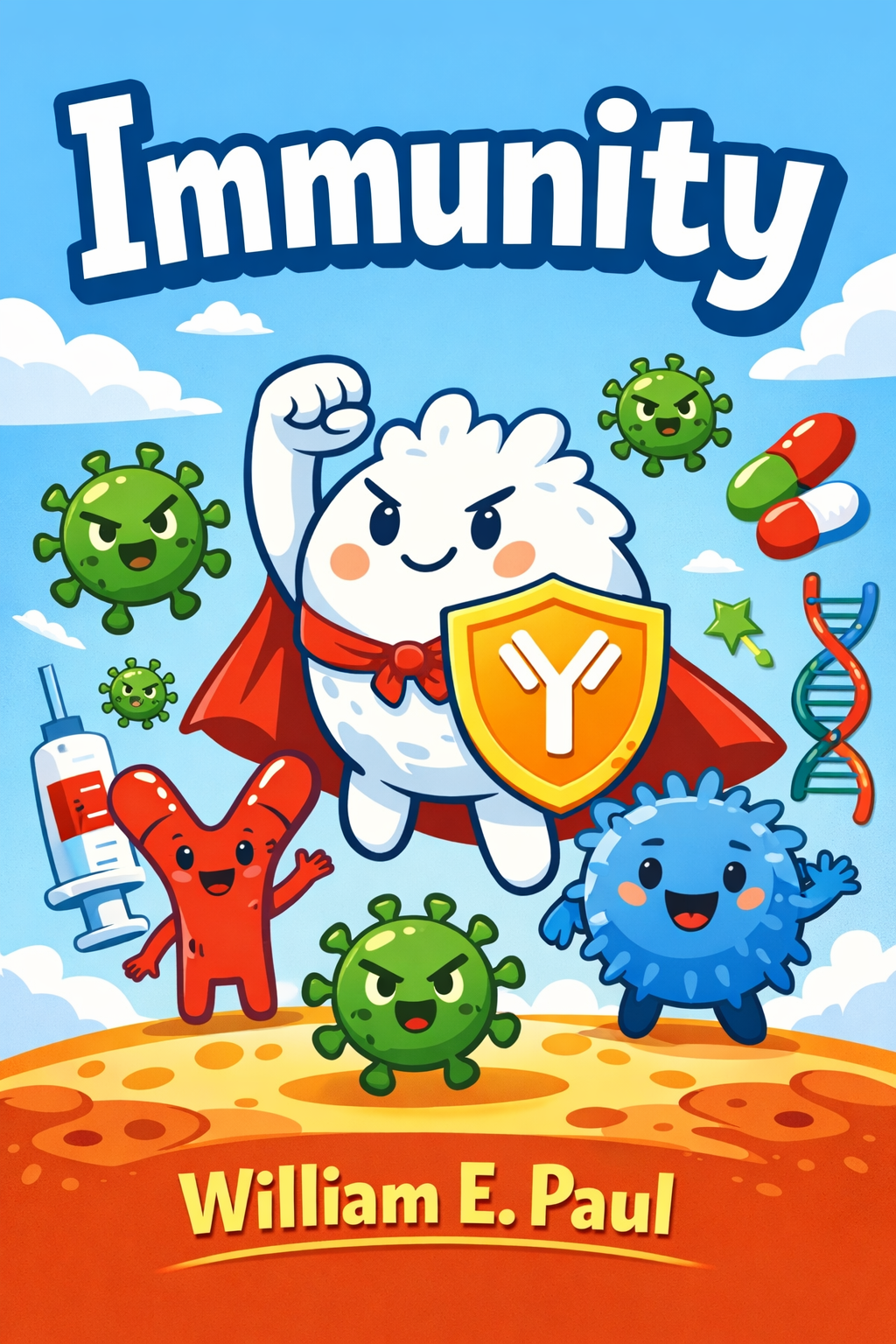
We live in a world teeming with invisible threats, from common cold viruses to dangerous bacteria. The only thing standing between us and constant illness is our body’s own remarkable defense force: the immune system. This intricate network of cells, tissues, and organs operates with the precision of a well-trained army, identifying invaders, mounting targeted attacks, and remembering past foes to fight them more efficiently in the future. Yet, for all its protective power, this system is a double-edged sword. When its delicate balance is disrupted, the very forces designed to protect us can turn inward, leading to a host of autoimmune disorders and other serious conditions. Understanding immunity is not just a lesson in biology; it’s a journey into the heart of what keeps us alive and healthy.
The story of immunity is often told through the lens of its greatest triumph: the eradication of smallpox. This historical victory showcases the system’s potential when guided by human ingenuity. The observation that milkmaids who contracted cowpox became resistant to the far deadlier smallpox led to the development of vaccination. This process cleverly trains the adaptive immune system by presenting it with a harmless or weakened version of a pathogen. The body then produces highly specialized cells, like antibodies and memory T cells, that lie in wait, ready to launch a swift and devastating counterattack if the real threat ever appears. This is the system at its best—learning, adapting, and providing long-term protection.
However, this formidable power must be tightly regulated. The immune system operates under fundamental laws to ensure it defends the body without destroying it. The first is the law of universality, which speaks to its astonishing versatility. Our bodies can generate a specific defense against an almost infinite array of potential threats. This is possible because of a vast library of white blood cells, each carrying a unique receptor. When a pathogen enters the body, it essentially selects the cell whose receptor fits, triggering that cell to multiply into an army of clones specifically designed to neutralize that one particular invader.
The second law, tolerance, is the safeguard that prevents this internal army from mutiny. A special class of cells, known as regulatory T cells, acts as the immune system’s peacekeepers. They constantly patrol the body, suppressing any immune activity that might mistakenly target the body’s own healthy tissues. When this law breaks down, the result is autoimmune disease, where the body’s defenses turn traitor. Conditions like type 1 diabetes occur when this tolerance fails, and immune cells systematically destroy the insulin-producing cells of the pancreas, highlighting the catastrophic consequences of a system without proper checks and balances.
The third governing principle is the law of appropriateness. Not every threat is the same, so not every immune response should be identical. A response suited to ejecting a intestinal worm would be disastrous if deployed against a flu virus in the lungs. The immune system relies on sophisticated sentinel cells, particularly dendritic cells, to assess the nature of an invasion. These cells act as intelligence officers, capturing samples of the pathogen, migrating to lymph nodes, and presenting the evidence to the T cells. They essentially issue precise orders, activating the exact type of T cell response needed—whether to target a virus hiding inside cells or to coordinate an attack on bacteria in the bloodstream.
This sophisticated capability gives rise to one of the most promising frontiers in modern medicine: harnessing the immune system to fight cancer. Cancer cells are not foreign invaders; they are the body’s own cells gone rogue. They often find ways to hide from the immune system or actively suppress its responses. The emerging field of immunotherapy seeks to break this camouflage. By developing treatments that help the immune system recognize cancer cells as the threats they are, or by supercharging the patient’s own T cells to attack tumors, scientists are turning the body’s innate defense network into a powerful weapon against one of humanity’s most persistent diseases. The fight against cancer, therefore, is increasingly becoming a battle of wits, training our internal guardians to see what was once invisible to them.
From the simple physical barriers of our skin and mucus to the elegant specificity of its adaptive memory, the immune system is a testament to biological complexity. It is a system built on universal potential, restrained by self-tolerance, and directed by appropriate action. Learning its rules and rhythms empowers us to support it through vaccination, understand the origins of autoimmune diseases, and envision new, powerful ways to heal. It is a silent war fought within us every second, a dynamic and ever-evolving story of protection, balance, and survival.