Description
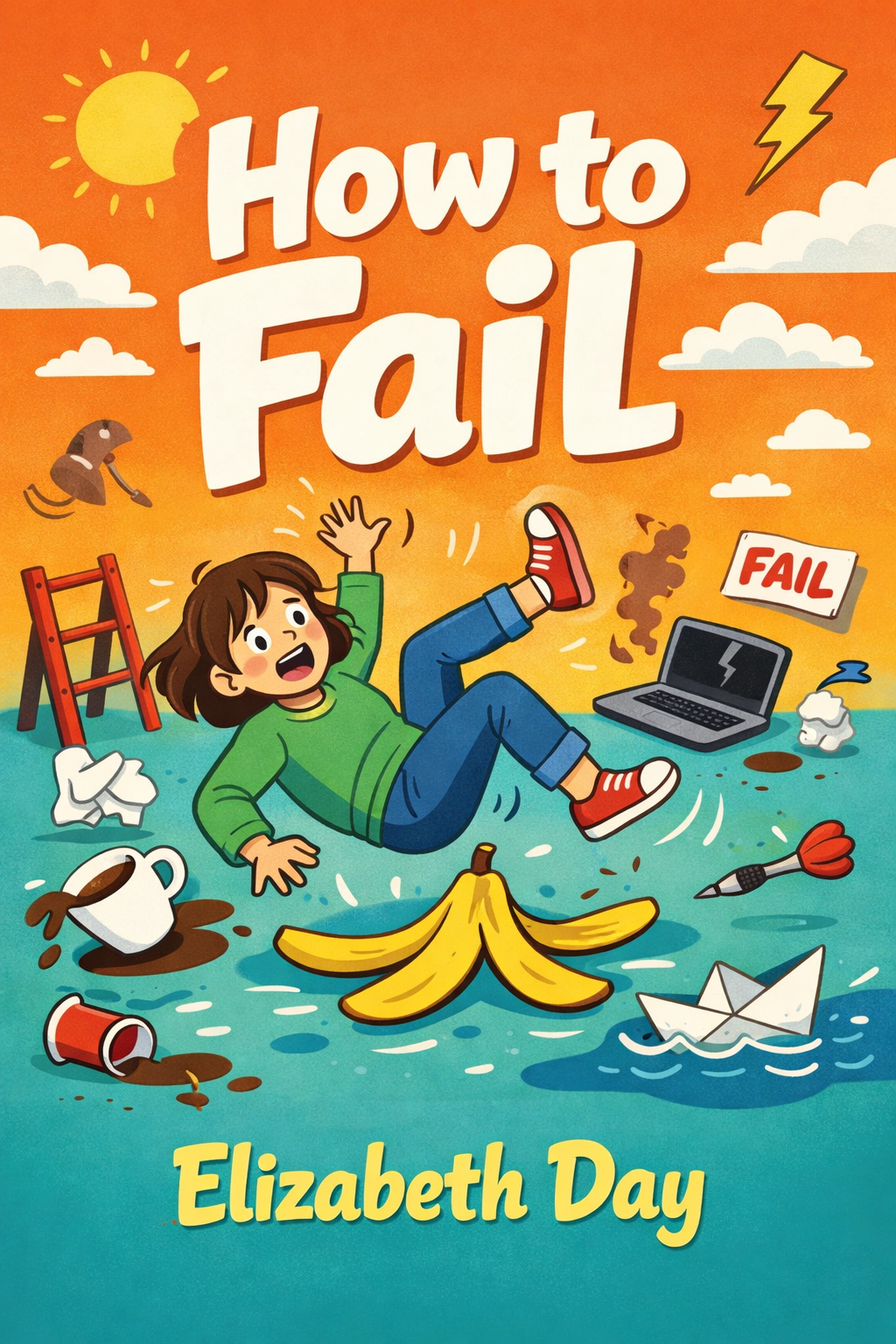
In a world obsessed with success, this book offers a radical and refreshing perspective: our failures are not just acceptable, but essential. Through a blend of personal memoir and insights gathered from a wide range of conversations, the author dismantles the myth of the perfect life and argues that our stumbles, heartbreaks, and wrong turns are often the very experiences that shape us into resilient, self-aware, and ultimately more authentic individuals. The journey begins by reframing failure not as a dead end, but as a detour that often leads us where we truly need to go.
The author’s own story starts with a childhood marked by a profound failure to fit in. Moving to Northern Ireland during a period of conflict, her English accent made her a target, teaching her the pain of alienation. Yet, from this painful experience, she cultivated the skills of observation and quiet resilience that would later fuel her career. This theme is echoed in stories of others who were bullied or ostracized, finding that the armor they built for protection often became the foundation for their future strength and determination. These early social failures are presented not as scars, but as formative workshops in understanding human nature and developing inner fortitude.
Academic and professional failures follow a similar pattern. The sting of a failed driving test, contrasted with the ease of passing the second time, reveals the arbitrary nature of many external judgments. A rejected university application for one guest shattered a sense of entitlement, providing a necessary lesson in humility and the reality that life does not owe us easy passage. The author’s own twenties, spent diligently climbing a career ladder while feeling she was missing out on the chaotic fun of her peers, highlight a different kind of failure: the failure to embrace the messiness of self-discovery. This decade, the book suggests, is ideally suited for experimentation and error, a time when falling short is not a catastrophe but a crucial part of figuring out who we are meant to be.
Perhaps the most poignant explorations are in the realm of relationships. The author details her own journey through a series of long-term partnerships and a marriage where she played a stereotypical role, prioritizing her partner’s needs while her own sense of self eroded. The failure of her marriage, while devastating, became the catalyst for a transformative period of solitude and self-reckoning. Moving away, she learned to separate her identity from her relationships, discovering that she did not need another person to feel complete. The modern minefield of dating, with its apps and expensive services, offered further lessons in frustration but also in clarity. Each disappointing date or mismatched connection helped refine her understanding of her own desires, moving her away from a pattern of people-pleasing and toward a stronger sense of self-worth.
The book then takes a critical turn, examining the societal pressures that set us up for failure. In a culture saturated with images of celebrity perfection, the author embarks on a week-long experiment to live according to the lifestyle of a famous wellness icon. She samples astronomically priced vegan food, endures extreme spa treatments, and attends an exclusive exercise class that feels more like a temple to vanity than wellness. The experience is both absurd and illuminating, revealing the stark truth that the curated perfection sold to us is not only unattainable for most, but often a hollow performance of health and happiness. This failure to meet impossible standards is, the book argues, a liberation—freeing us to embrace our flawed, real, and perfectly adequate lives.
Friendship, often overshadowed by romantic pursuits, is presented as an arena where failure can be particularly painful but also where success can be deeply rewarding. The book acknowledges the work required to maintain friendships through life’s changes and the grief of friendships that fade. Yet, it champions these bonds as potentially more enduring and unconditionally supportive than many romantic relationships, offering a different model for love and connection.
The narrative also bravely tackles the painful failure of life not going to plan, specifically the heartbreak of being unable to have children. It treats this experience with sensitivity, acknowledging the profound grief and sense of loss, while also charting a path toward acceptance and redefining a meaningful, fulfilling life beyond traditional expectations.
Finally, the book confronts the ultimate paradox: failing at success itself. It explores the emptiness that can accompany the achievement of material goals or public acclaim, suggesting that our conventional metrics for success are often flawed. True fulfillment, it concludes, comes not from a flawless resume or a perfect life, but from the wisdom, compassion, and resilience forged in the fires of our failures. By sharing these stories, the book offers a powerful antidote to shame and a hopeful guide for transforming our lowest moments into our greatest strengths.