Description
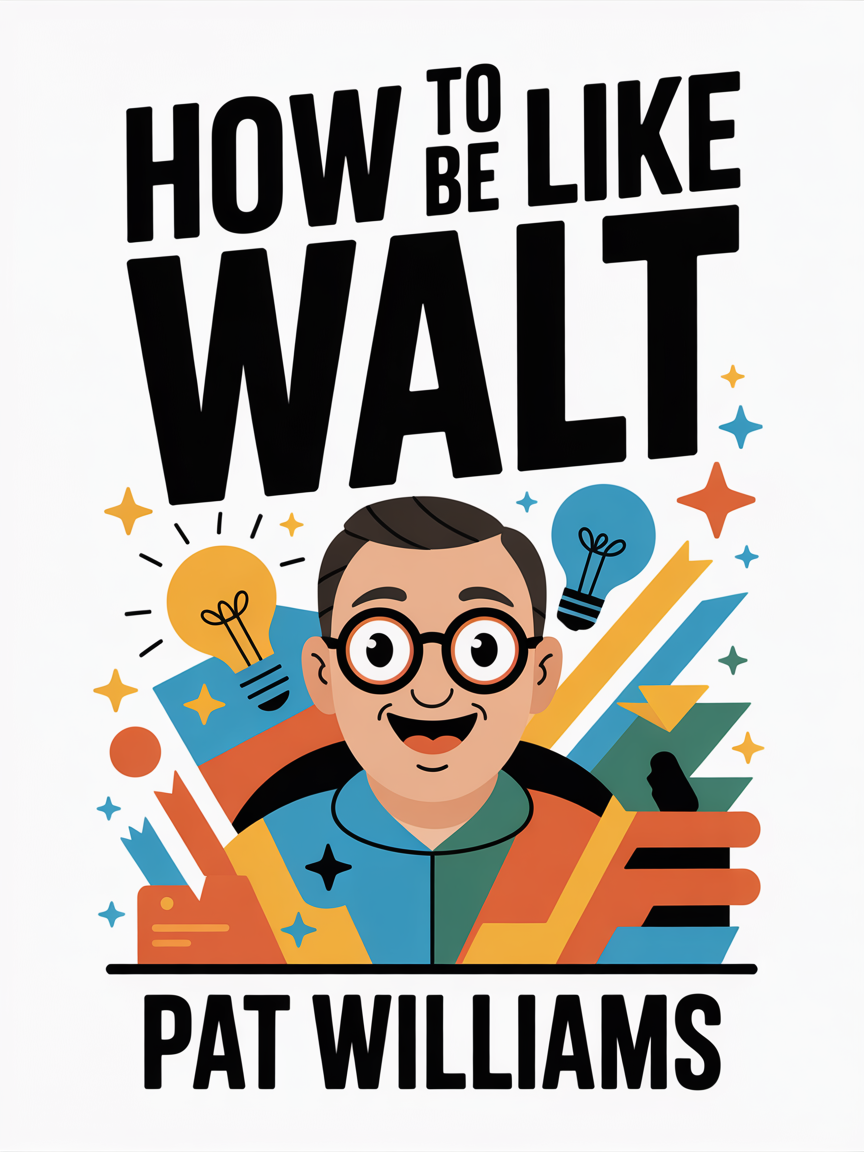
How To Be Like Walt is not a simple chronology of dates and events, but a deep dive into the character, vision, and relentless drive of Walter Elias Disney. It paints a portrait of a man who was equal parts dreamer and determined businessman, an artist who refused to be bound by the limitations of his time. The narrative follows his journey from a humble Midwestern childhood, marked by a difficult relationship with his father and an escape into drawing, to the creation of a global cultural icon. The book meticulously explores the foundational failures that shaped him, most notably the loss of his first successful character, Oswald the Lucky Rabbit, which taught him the crucial lesson of owning his creations. This setback directly led to the birth of Mickey Mouse, a character born from desperation and innovation during the dawn of sound in cinema.
The core of the book dissects the principles that fueled Disney’s unprecedented success. It reveals a man obsessed with quality and innovation, who saw technology not as a threat, but as a tool to tell better stories. His pioneering work in synchronized sound with “Steamboat Willie,” the gamble of full-color animation in “Flowers and Trees,” and the monumental risk of the first full-length animated feature, “Snow White and the Seven Dwarfs,” are presented as testaments to his philosophy: the story is king, and every advancement serves it. This pursuit of “The Plausible Impossible” – making the unbelievable feel real and emotionally resonant – became the bedrock of his studio’s output.
Beyond the artist, the book examines Disney as a leader and builder. It details his unique ability to identify and nurture talent, assembling a team of “Imagineers” – a term he coined – who could translate his wildest dreams into reality. His leadership style was demanding and often volatile, yet he inspired fierce loyalty by believing in projects his team deemed impossible. This dynamic is vividly illustrated in the conception and execution of Disneyland. The book dedicates significant space to this crowning achievement, portraying it not as an amusement park, but as a fully immersive story environment. We see Disney’s hands-on involvement in every detail, from the layout of the streets to the design of the trash cans, all in service of creating a seamless, magical experience for guests. Disneyland is presented as the ultimate physical manifestation of his mind: a place where nostalgia, fantasy, and futuristic optimism coexist.
However, the portrait is not one-dimensional. The book honestly confronts Disney’s complexities and flaws—his sometimes-autocratic management style, his periods of deep depression and anxiety following setbacks, and the intense struggles during studio strikes. It shows a man who carried the scars of early betrayals, which made him fiercely protective of his company and family name. Yet, these challenges are framed as part of the same drive that led to his triumphs. His ability to recover from financial ruin, artistic criticism, and personal doubt underscores a central theme: perseverance is non-negotiable for bringing a vision to life.
The final sections of the book explore the legacy Walt Disney left behind, not just in the form of films and theme parks, but in his approach to creativity and business. It analyzes his forward-thinking plans for EPCOT (Experimental Prototype Community of Tomorrow), which he envisioned as a living, breathing city of innovation, a project that consumed his final years. His death in 1966 is portrayed not as an end, but as a moment that cemented his philosophy into the culture of his company. The book concludes by distilling his core tenets: dare to dream big, but couple that dream with practical execution; embrace failure as a teacher; protect your creative ownership; invest in people and technology; and above all, never lose sight of the emotional connection with your audience. Ultimately, it argues that to be like Walt is not to copy him, but to embody his spirit of boundless curiosity, unwavering belief in the power of a good story, and the courage to build the future you imagine.