Description
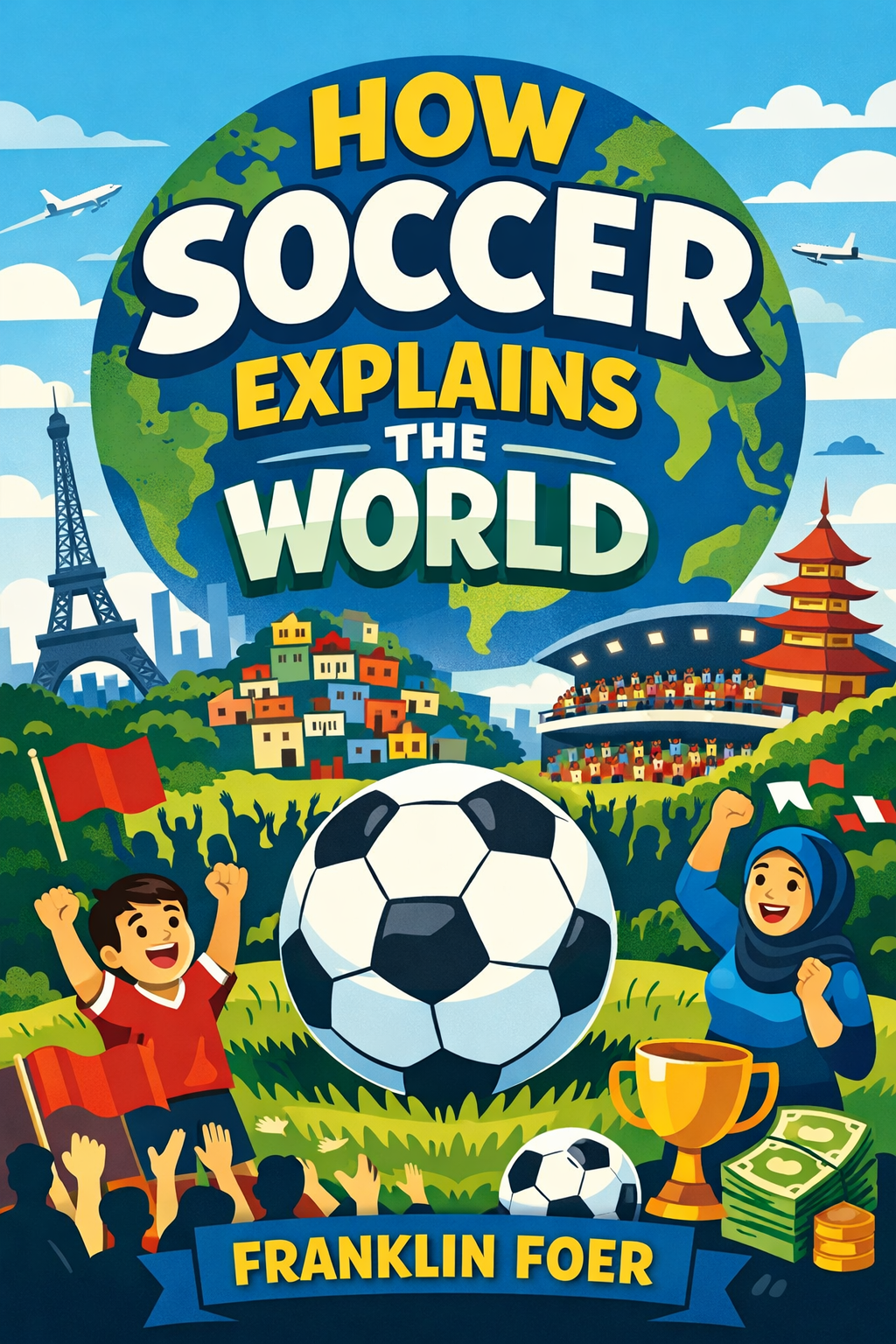
In a world often divided by borders and ideologies, a single, universal passion offers a unique key to understanding the complex tapestry of human society. This book presents a compelling exploration of how the world’s most popular sport serves as a powerful mirror, reflecting the profound social, political, and economic currents that define our age. It is not merely a book about athletic competition, but an anthropological and sociological expedition across continents, where local fan cultures, international rivalries, and the business of the game illuminate much larger truths about globalization, tribalism, and identity.
The narrative begins by delving into the fierce, often violent, local cultures of team support, revealing them as modern manifestations of ancient tribal instincts. In cities like Glasgow, Belgrade, and Rio de Janeiro, the author demonstrates how soccer clubs and their fanatical followers become vessels for ethnic pride, political ideology, and social class warfare. The sectarian divide between Celtic and Rangers in Scotland is shown to be a continuation of centuries-old religious conflict, while the hooligan firms of Eastern Europe emerge as brutal actors in the ethnic cleansing that followed the fall of communism. Here, the stadium functions as a battleground for identity, where chants and banners carry the weight of historical grievances, proving that globalization has not erased local loyalties but has, in some cases, intensified them.
From these localized trenches of identity, the focus shifts to the international stage, where the sport becomes a proxy for national ambition and historical memory. Matches between nations like Iran and the United States, or England and Argentina, are dissected not as mere sporting events but as geopolitical dramas played out with a ball. The book explores how victories and defeats on the pitch can bolster or undermine political regimes, fuel nationalistic fervor, and serve as symbolic revenge for past colonial or military humiliations. The global spectacle of the World Cup is presented as a paradox—a festival that celebrates universal unity through the very mechanism of nationalist competition.
The analysis then turns to the seismic economic forces that have transformed the game from a local pastime into a globalized corporate empire. The author traces the influx of capital, particularly through media rights and billionaire owners, which has created a new class of “superclubs” detached from their geographical roots. This commercial revolution is personified by figures like the Ukrainian oligarchs who bought clubs as passports to Western legitimacy, and the Brazilian entrepreneurs who treat young talent as export commodities. The book argues that the beautiful game has become a stark exhibit of capitalism’s winners and losers, where the astronomical wealth of a few elite clubs in Europe stands in stark contrast to the bankrupted traditions of teams elsewhere, creating a new, uneven geography of power within the sport itself.
Yet, within this framework of global capital and local strife, the book also uncovers stories of surprising resistance and cultural exchange. It highlights how the sport has been a vehicle for social mobility for marginalized groups, from Afro-Brazilians to immigrants in Europe. The phenomenon of the African player, exported to European leagues, creates complex new diasporic identities and becomes a significant source of soft power and national pride for their home countries. Furthermore, the book examines the subtle ways in which the globalized game is itself being reshaped by local cultures, from the flair of Brazilian *jogo bonito* to the tactical discipline of Italian *catenaccio*, suggesting a dynamic, two-way street of cultural influence.
Ultimately, this work posits that soccer is far more than a game. It is a language spoken in every corner of the planet, a shared grammar through which the dramas of belonging, conflict, and aspiration are expressed. By examining the corruption within its governing bodies, the fervor of its fans, the trajectories of its migrant stars, and the economics of its transfer markets, we gain unparalleled insight into the functioning of our world. The book concludes that soccer does not explain the world in a simple, causal sense, but rather provides the most vivid and accessible prism through which to view the clash between the global and the local, the age-old passions of tribe and nation, and the relentless, homogenizing power of the market. It is a story about us—our fears, our alliances, and our search for community in an increasingly interconnected yet fragmented age.