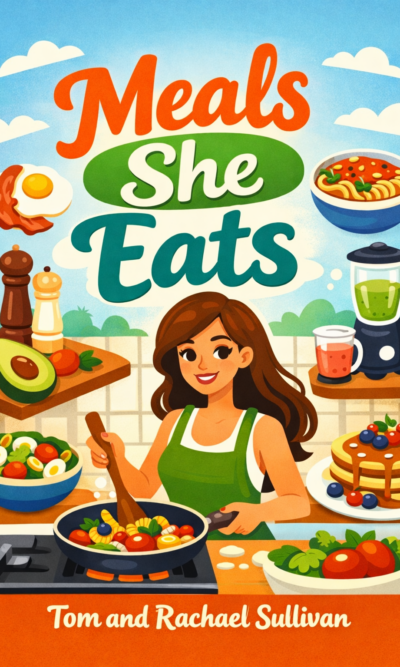
Description
The central premise of this work is both startling and empowering: the leading cause of premature death and disability in the modern world is not genetics or bad luck, but the food we choose to eat every day. Despite this, nutritional education remains a glaring blind spot in mainstream medicine, which often defaults to pharmaceutical management of conditions that are, at their root, dietary in origin. The book argues that we possess a profound ability to heal ourselves by shifting what is on our plates, presenting a compelling case that a diet rich in whole, plant-based foods is the most powerful tool we have for longevity and vitality.
The evidence begins with a stark comparison of global health patterns. Populations that traditionally consume diets centered on plants, such as those in rural Asia and Africa, historically exhibit drastically lower rates of the chronic diseases that plague Western societies—heart disease, type 2 diabetes, and certain cancers. When these populations adopt a Western diet heavy in animal products and processed foods, their disease rates rapidly climb to match ours. This is not merely about slowing disease progression; remarkable studies have shown that a rigorous plant-based diet can actually reverse advanced heart disease, allowing the body to begin dissolving arterial plaque. This healing capacity underscores a fundamental truth: the human body, when given the correct building blocks, is a resilient self-repairing system.
To harness this power, the book provides a clear and practical framework built on specific food categories. Fruits, particularly berries, are celebrated as nutritional powerhouses. Their deep colors signal a high concentration of antioxidants, which combat cellular damage and inflammation. Berries have demonstrated an astonishing ability to boost immune function and fight cancer, with research showing they can even reduce pre-cancerous colon polyps. The book emphasizes consuming whole fruits, not juice, to benefit from the essential fiber that moderates sugar absorption.
Vegetables form the cornerstone of this dietary approach, with a special focus on leafy greens and cruciferous varieties. Dark leafy greens like kale and chard offer the most nutrition per calorie of any food, supporting everything from liver function to cholesterol reduction. Cruciferous vegetables like broccoli and cabbage contain compounds that activate potent anti-cancer and anti-inflammatory processes within the body. A simple method of chopping these vegetables and letting them sit before cooking can maximize these protective benefits.
The book champions beans and legumes as a cornerstone for daily meals, recommending multiple servings for their unique blend of protein, fiber, and prebiotics that stabilize blood sugar and improve gut health. Similarly, whole grains are presented not as a dietary villain but as a vital ally, linked to reduced risks of heart disease, stroke, and diabetes. The guidance is to seek out the most colorful whole grains, like black rice or red quinoa, as their pigments indicate valuable antioxidants.
Nuts, seeds, herbs, and spices are revealed as crucial supporting actors, dense with nutrients and health-promoting properties. Even modest daily servings of nuts are associated with longer lifespans and reduced disease risk. Herbs and spices like turmeric and oregano offer concentrated anti-inflammatory and antioxidant effects, turning ordinary meals into medicinal experiences. For beverages, water is unequivocally recommended as the primary choice, while the risks of sugary drinks and the mixed benefits of alternatives like coffee and tea are carefully examined.
Finally, the book integrates these dietary principles with the irreplaceable role of physical activity. Exercise is framed not as a standalone weight-loss tool but as a synergistic partner to nutrition, enhancing mood, strengthening the body, and compounding the life-extending benefits of a healthy diet. The overall message is one of hopeful simplicity. There is no single miracle cure, but a daily pattern of choosing whole plant foods—abundant vegetables, fruits, beans, grains, nuts, and seeds—provides a straightforward, scientifically-supported blueprint for building a longer, healthier life, empowering individuals to take control of their health one meal at a time.