Description
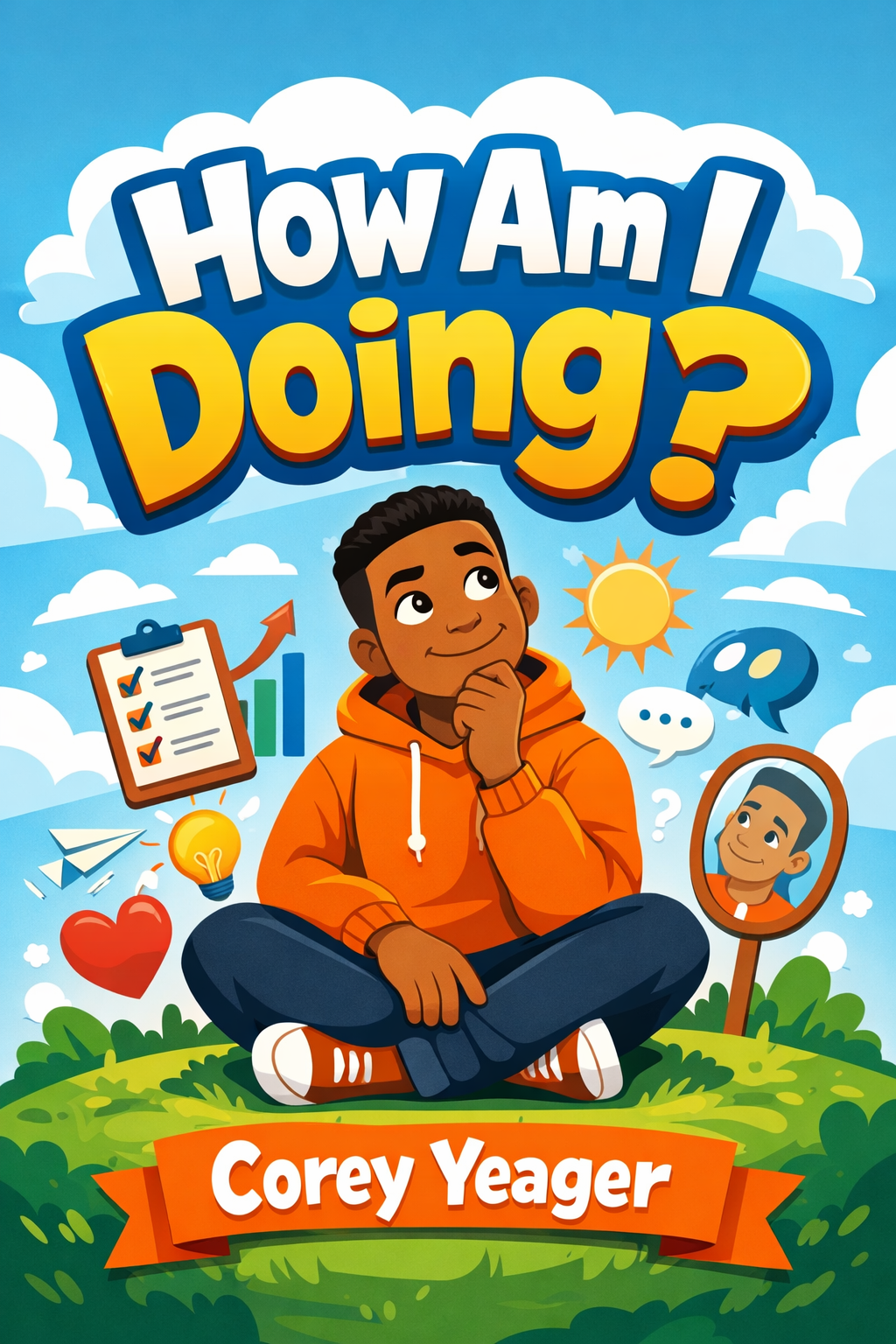
How Am I Doing? offers a transformative journey inward, using a series of deceptively simple questions as a compass. The core premise is that honest, structured self-conversation is not a sign of eccentricity but the very foundation of personal growth. By creating a safe mental space to interrogate our own thoughts and feelings, we can gain the clarity and confidence needed to shape our lives with intention. This book provides a roadmap for that dialogue, moving beyond surface-level reflections to uncover deeper truths about who we are and who we aspire to become.
The journey begins with a fundamental, often overlooked priority: valuing yourself. While society often praises self-sacrifice, the book argues that you cannot sustainably care for others from an empty cup. Treating yourself with utmost value is not selfish but essential. This involves consciously practicing self-prioritization, perhaps by logging moments where you put yourself first or hesitated to do so. The goal is to reach a balanced awareness, knowing when to extend yourself for others and when to honor your own need for restoration. From this foundation of self-regard, the exploration turns outward to your wildest dreams. These are not dismissed as fantasies but examined as blueprints for a fulfilling life. The process involves scaling grand visions into achievable sizes, then breaking them down into macro goals for the future and micro-actions for today. Crucially, the book encourages aligning these dreams with what brings genuine joy, ensuring the pursuit is fueled by passion rather than external validation.
A powerful tool in this self-examination is the simple mirror. Reimagined not as a critic of appearance but as a portal to perspective, the mirror becomes a place for dialogue with a wiser version of yourself. By speaking to your reflection as a separate, objective friend, you can navigate difficult choices and evaluate your values with greater honesty. This practice, though initially awkward, helps mold your internal self to match the external role you wish to inhabit. This inward bravery then extends to confronting your vulnerabilities. The book challenges the instinct to hide weaknesses, framing them not as shameful secrets but as gateways to freedom and connection. Admitting a vulnerability liberates you from the exhausting work of maintaining a facade and opens the door to receiving help. Conversely, recognizing your own strengths allows you to guide others, creating a network of mutual support built on authentic self-awareness.
A significant portion of the path to self-knowledge involves emotional archaeology, particularly with anger. The text posits that anger is rarely a primary emotion but a surface mask for deeper feelings like disappointment, sadness, or hurt. To truly process these emotions, you must learn to pause when agitated and dig beneath the initial fiery response. By journaling these incidents and looking for patterns, you can identify the true root causes of your distress, allowing for healthier emotional resolution. This reflective work naturally leads to a reconsideration of the past. While everyone has experiences they wish they could change, the book advocates for a shift in perspective: view your past not for its irreversible outcomes, but for the person it forged. Every choice, even the regrettable ones, contributed to your current values and strengths. The key is to extract the lesson, not linger on the loss.
The process also involves a frank assessment of mistakes, identifying the one that has been the most instructive. This isn’t about wallowing in regret but about pinpointing a pivotal source of wisdom. By understanding exactly what that mistake taught you—about trust, boundaries, preparation, or self-worth—you integrate its lesson into your core, ensuring you don’t merely move on, but grow upward from it. Finally, the book brings the focus to the present moment with a question about what you can accomplish in a brief, specific span of time, like 23 seconds. This emphasizes that profound change doesn’t only happen through grand gestures; it is also built in small, consistent, intentional actions. It’s a reminder that the journey of self-construction happens in the now, in the daily micro-choices that accumulate into a macro-life.
Ultimately, How Am I Doing? is more than a set of questions; it is an invitation to build a lasting relationship with yourself. It argues that through consistent, courageous self-dialogue—examining your values, dreams, vulnerabilities, and emotional triggers—you gain the power to author your own story. The book concludes that self-knowledge is the most critical project you will ever undertake, for from it flows every other decision, relationship, and achievement. By committing to this ongoing conversation, you stop being a passive character in your life and become its active, conscious creator.