Description
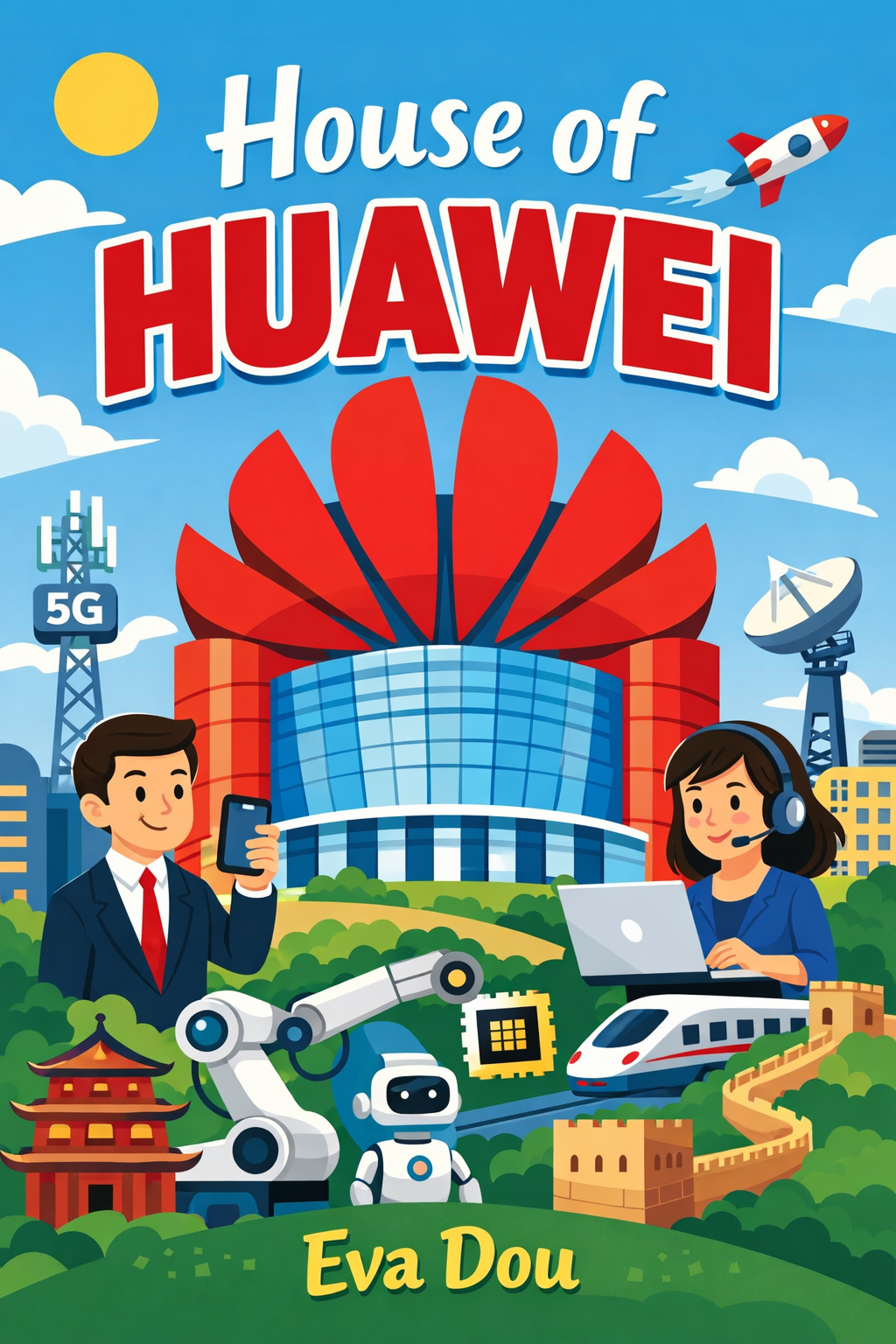
The tale of Huawei is a modern epic of ambition, technology, and power, set against the backdrop of China’s explosive economic rise and the shifting sands of global geopolitics. It begins not in a boardroom, but in the humble origins of its founder, Ren Zhengfei. Born into poverty and later a member of the Chinese Communist Party and the military, Ren carried a unique blend of discipline and nationalistic drive when he founded Huawei in 1987 in the fledgling Shenzhen Special Economic Zone. Starting as a seller of telephone switches, Ren fostered a culture of relentless, almost militaristic effort, pushing his “iron army” of engineers to develop China’s first advanced digital switch. This broke foreign dependence and earned the quiet approval of a state keen on technological self-reliance and surveillance capabilities.
Huawei’s hunger quickly turned outward. To crack the international market dominated by Western firms, it ventured into difficult, often sanctioned territories, accepting contracts in places like Iraq and Iran. These “hardship postings” became a rite of passage, building a formidable, globally dispersed workforce. The strategy worked spectacularly; by the 2000s, Huawei was a colossus, with sprawling campuses and a product reach touching billions. Yet, this breakneck growth had a dark side, manifesting in a crisis of employee suicides and deaths from overwork, forcing a reluctant reckoning with its brutal corporate culture. Simultaneously, its very success was drawing the wary gaze of Western powers, particularly the United States.
The core of the international suspicion lay in Huawei’s opaque ties to the Chinese state and its activities in contentious regions. A pivotal 2012 U.S. congressional investigation concluded Huawei could not be trusted to be free of state influence, labeling it a national security threat. This suspicion crystallized around the activities of Ren’s daughter, Meng Wanzhou, the company’s CFO. Investigations revealed her connection to Skycom, a shell company used to obscure Huawei’s business in Iran, directly violating U.S. sanctions. For years, this simmered until December 2018, when Meng was arrested in Vancouver on U.S. charges of bank and wire fraud.
Her detention triggered a diplomatic earthquake. China responded with hostage diplomacy, arresting two Canadian citizens. Meng’s nearly three-year house arrest in Canada became a symbol of the escalating tech cold war. During this period, Huawei’s practices came under even harsher light, including revelations that its facial recognition technology was specifically designed with a “Uyghur alarm” to aid surveillance in Xinjiang. The U.S., under the Trump administration, moved decisively, declaring a national emergency and imposing crippling export controls that cut Huawei off from vital American chips and software.
The aftermath has reshaped the global tech landscape. Huawei, though wounded and stripped of its smartphone dominance, persists, forced into a desperate push for technological self-sufficiency. The story is far more than a corporate biography; it is a parable for our age. It explores the immense power and peril of a company built at the intersection of entrepreneurial genius and state ambition. It questions the true cost of technological progress and the fragile line between national security and protectionism. Ultimately, the saga of Huawei is a gripping narrative about how a single company became the central battleground in a wider struggle for technological supremacy, where business strategy, family drama, and international diplomacy collide with world-altering consequences.