Description
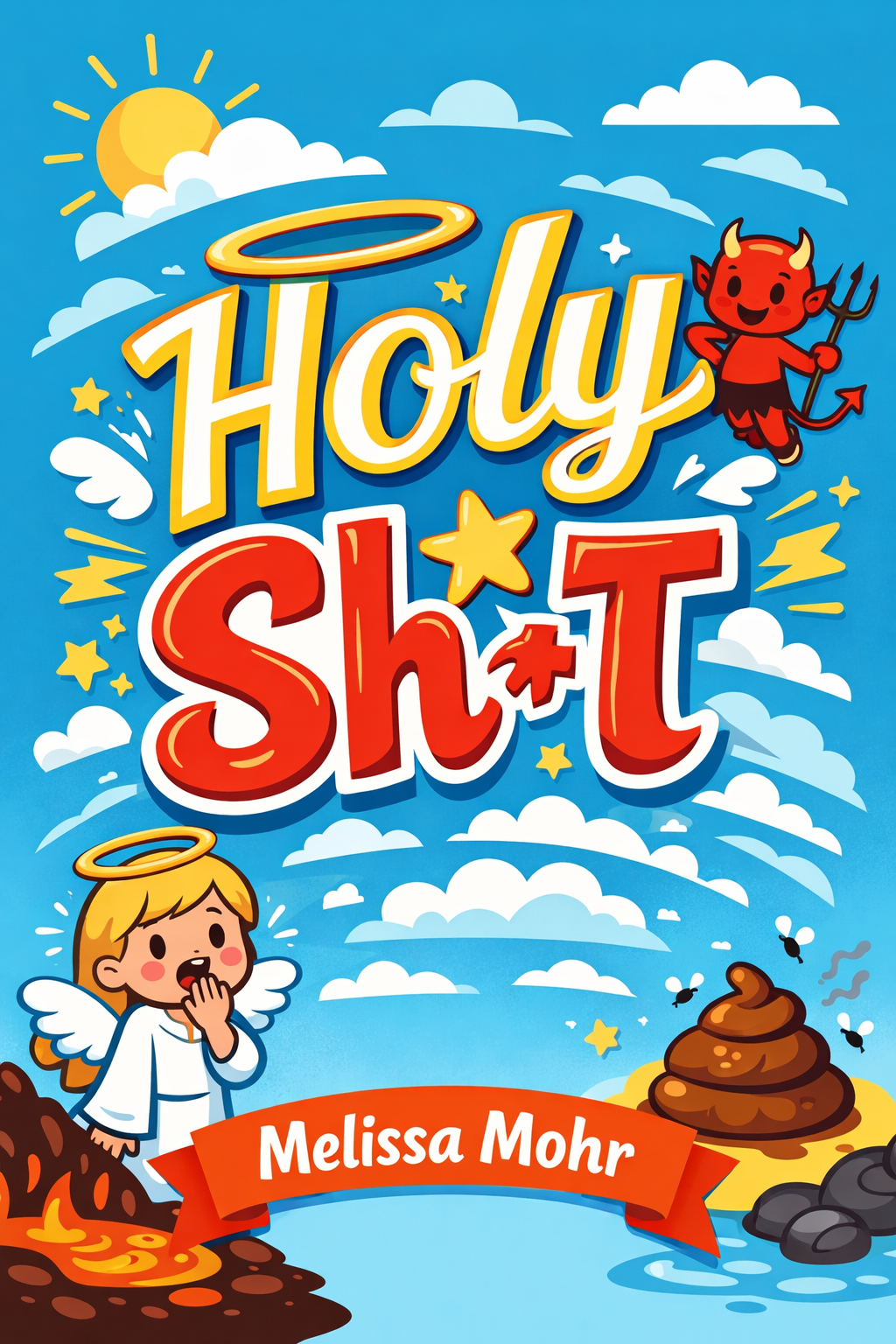
From the earliest grunts of our ancestors to the complex, taboo-laden words of today, profanity has been a constant, colorful thread in the fabric of human language. This book delves into the fascinating journey of swear words, arguing that they are far more than mere verbal vandalism. They are, in fact, a crucial and powerful part of our linguistic toolkit, deeply wired into our brains and our social interactions. The story begins by examining why certain words acquire their shocking power. It’s not the sounds themselves but the concepts they represent—typically involving religion, sex, bodily functions, or slurs against identity—that societies collectively decide to place off-limits. This creation of taboo is what gives profanity its unique emotional charge, a charge that neuroscience shows lights up our brains differently than polite language, triggering visceral reactions in the amygdala, our emotional center.
The historical voyage of swearing reveals a dynamic landscape of what is considered offensive. In many pre-modern societies, oaths involving deities or the afterlife were the most severe breaches, capable of sparking duels or legal punishment. The book traces how, as religious fervor waned in some cultures, sexual and scatological references often rose to take their place as the primary source of taboo strength. This shift demonstrates that profanity is not static; it evolves with our values, fears, and social structures. A word that might have landed someone in the stocks in the 17th century could be utterly innocuous today, while new terms constantly emerge to fill the need for transgressive expression, often reflecting contemporary social tensions around race, gender, and sexuality.
Beyond history, the work explores the undeniable psychological and social utility of cursing. It serves as a potent emotional release valve. A well-timed expletive can act as a natural painkiller, with studies showing it can increase pain tolerance and reduce perceived agony. In moments of sudden shock, anger, or frustration, profanity erupts almost involuntarily, providing a cathartic outlet for intense feelings that more sanitized language cannot match. Socially, swearing plays a nuanced role in bonding and communication. Within trusted groups, the strategic use of mild profanity can signal intimacy, solidarity, and authenticity, breaking down formal barriers. It can add emphasis, humor, and raw sincerity to speech, making communication more impactful and memorable.
However, the book carefully navigates the double-edged sword of profanity’s power. Its ability to bond in-group members is mirrored by its capacity to exclude, insult, and degrade those outside the group or those targeted by slurs. The author makes a critical distinction between generally offensive swear words and targeted hate speech, arguing that the latter uses language as a weapon of oppression and dehumanization. This leads to an examination of the ongoing debates about censorship, political correctness, and free speech. When should society restrict language to protect dignity, and when does such restriction stifle necessary expression or even rob the disempowered of a tool for protest? The book doesn’t offer easy answers but presents the complex trade-offs involved.
Ultimately, the narrative concludes that our “bad” words are, in a very real sense, profoundly human. They are a linguistic reflex to the full spectrum of human experience—our pain, our joy, our anger, and our desire to connect with others in the most authentic way possible. To dismiss profanity as simply crude or uneducated is to ignore its deep roots in neurology, its rich history, and its complex social functions. The book invites readers to listen more carefully to the curses around them, not just as noise, but as data—revealing insights about our psychology, our relationships, and the ever-changing contours of our cultural taboos. In understanding why we swear, we ultimately understand more about what it means to be emotional, social, and defiantly human creatures navigating a world that often merits a strong, succinct, and satisfying exclamation.