Description
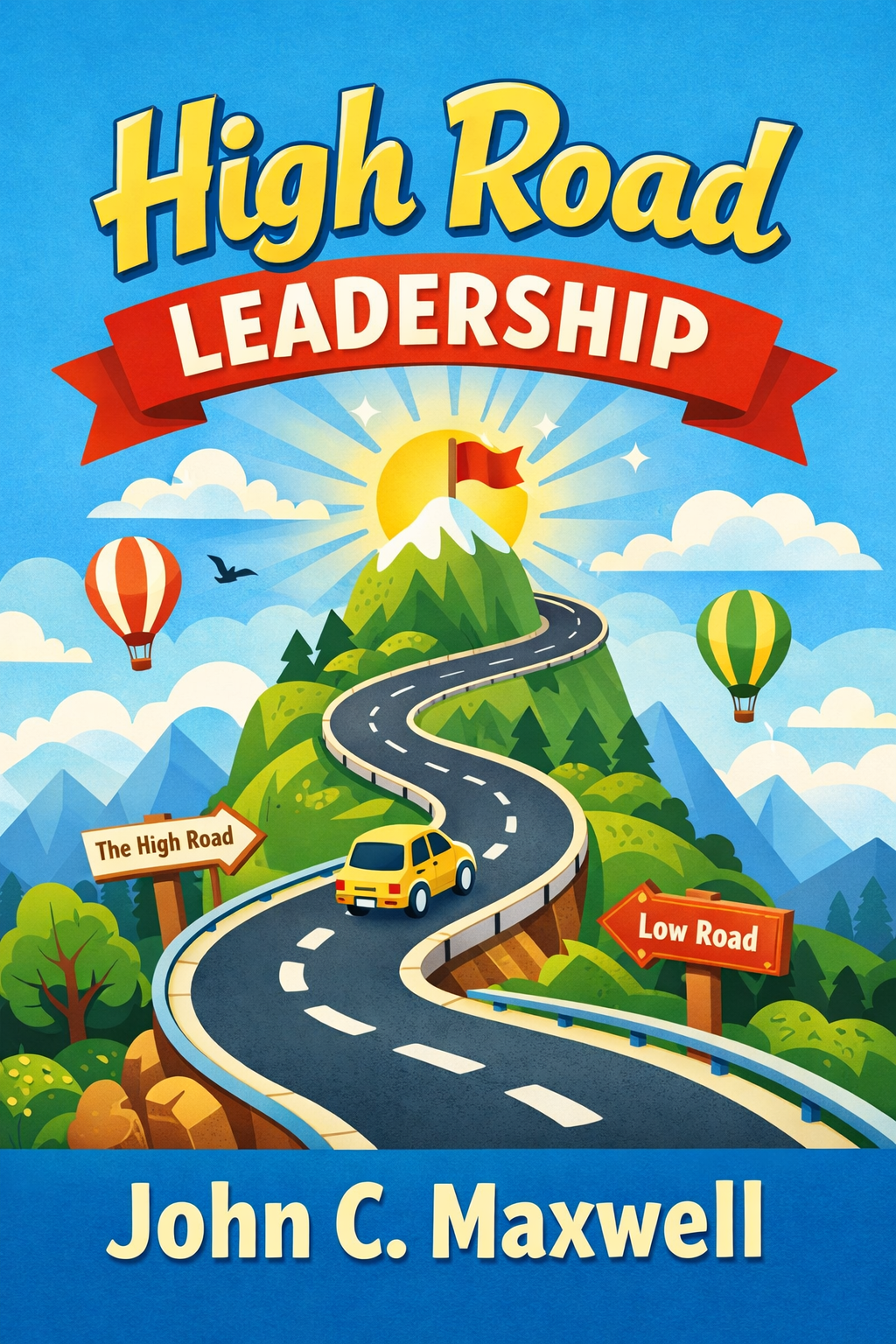
Leadership is a profound responsibility, with the power to either elevate or diminish those within its sphere. The most impactful leaders are distinguished not merely by their capabilities, but by the foundational values that guide their actions. This approach, termed high-road leadership, moves beyond self-interest or transactional exchanges. It is a conscious commitment to putting others first, treating everyone with inherent respect, and striving to create a collective benefit, even when it comes at a personal cost. This path fosters genuine collaboration, as high-road leaders actively seek to understand differing perspectives and find common ground, recognizing that progress requires engaging with everyone, not just allies.
The journey begins with self-awareness. Effective leadership is rooted in a humble understanding of one’s own humanity—acknowledging both strengths and flaws without the pretense of perfection. This internal clarity allows a leader to forgive their own missteps, learn from them, and model healthy growth. Crucially, self-awareness extends to examining one’s motives. Leadership in its healthiest form is an act of service, not a pursuit of power, applause, or personal gain. It requires abandoning the search for easy shortcuts, the insistence on being right, the blame game, and empty promises. Choosing the more difficult right path over the easy wrong one builds profound inner strength, credibility, and the true wealth of a positive legacy.
At the heart of this philosophy is a generous spirit, expressed in three dimensions. Open-hearted generosity focuses on adding value to others and amplifying their potential. Open-minded generosity means thinking the best of people, offering the benefit of the doubt, and seeing their capabilities. Open-handed generosity involves giving freely of one’s time, resources, encouragement, and opportunities—such as providing a chance for someone to lead a project or making a pivotal introduction. This generosity is sustained by a robust emotional capacity, the resilience to navigate adversity, criticism, and stress without seeing oneself as a victim. It involves keeping “short accounts” by resolving conflicts quickly, distinguishing between solvable problems and immutable facts of life, and prioritizing self-care to ensure you have the strength to serve others.
Trust, the bedrock of any successful team, is built through authenticity and accountability. Authentic leaders are genuine, vulnerable, and humble, willing to admit faults and avoid the limiting labels of “success” or “failure.” They focus on building strong character—the qualities you can control—rather than being preoccupied with reputation. This authenticity is cemented by unwavering accountability. Leaders must own their decisions and mistakes completely, creating a culture of responsibility where excuses are replaced by solutions. When a leader models this level of ownership, it empowers everyone to operate with integrity and courage.
Ultimately, high-road leadership is a practice of big-picture positivity. It is the choice to contribute to a better environment and a better world by bridging divides, valuing every individual, and acting with principled consistency. The rewards are not measured in short-term wins, but in the lasting growth of the people you lead, the strength of the community you build, and the profound satisfaction of knowing your influence was used to uplift. It is a challenging path, but the only one that leads to genuinely transformative and respected leadership.