Description
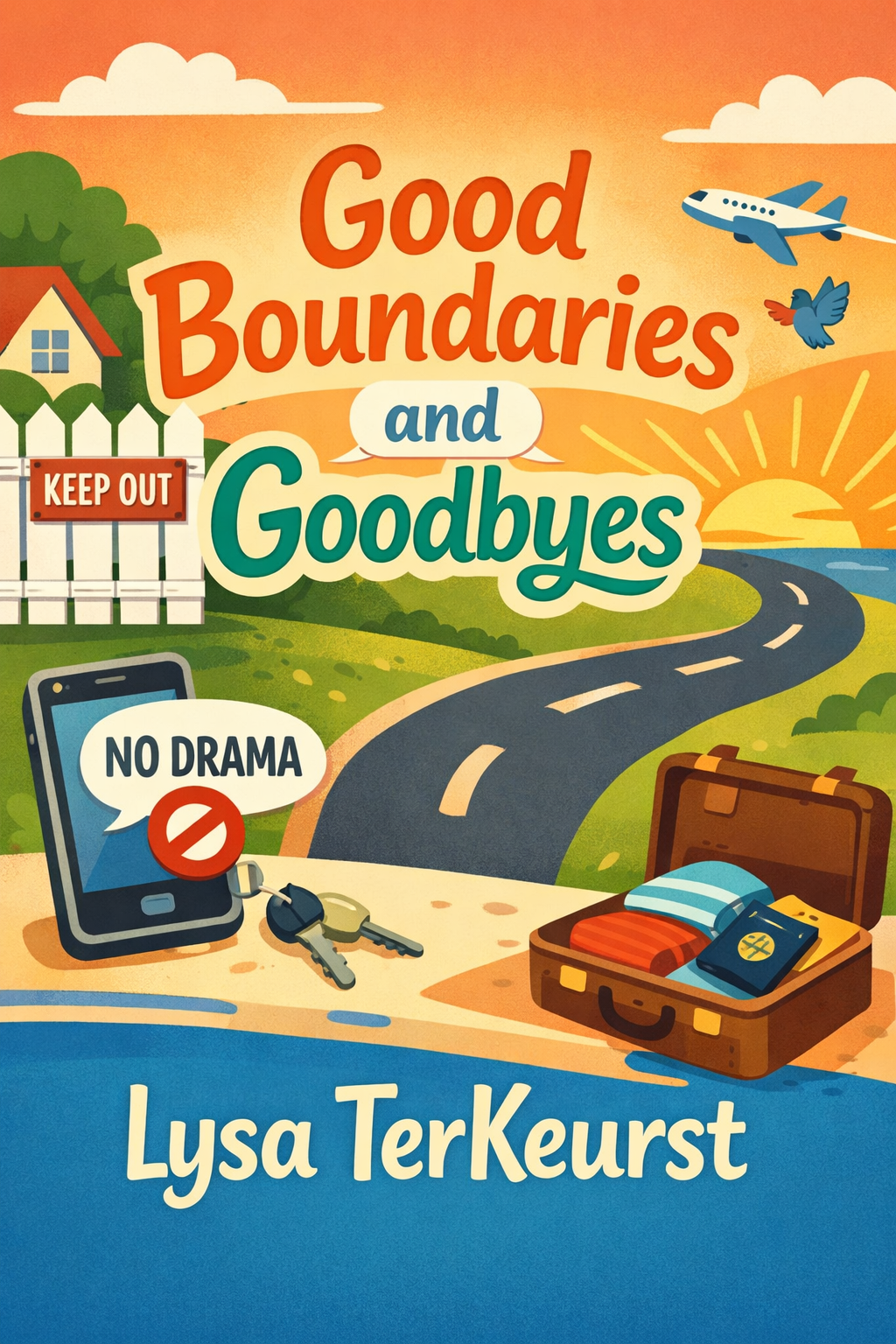
Many people, especially within faith communities, carry a heavy misconception that to love and forgive means to endlessly tolerate poor treatment and sacrifice their own well-being at the altar of another person’s dysfunction. This book challenges that notion head-on, proposing that such self-sacrifice is not only unnecessary but often contrary to a healthy spiritual life. The core argument is that we were never designed to abandon our identity, health, or safety in a misguided attempt to see the best in others. In reality, doing so often enables negative patterns and traps relationships in cycles of hurt. The path forward requires establishing clear, loving boundaries—not as walls of hostility, but as gates that define who has the privilege of accessing our hearts and lives.
The journey begins with a foundational question: who are you? Without a firm understanding of your own God-given identity and inherent worth, setting boundaries becomes nearly impossible. If you feel you must earn love or approval through constant giving, you have already lost the plot. A critical step is building a secure relationship with yourself and with God, recognizing that only this divine connection can fill the internal emptiness we sometimes try to plug with flawed human relationships. When you know your own value, you stop seeking validation from sources incapable of providing it.
A pivotal and often painful realization is that you cannot change another person. A damaging relationship is frequently characterized by one party’s refusal to address their own issues, instead expecting others to accommodate their dysfunction. The author illustrates this with a memorable analogy: having a faulty electrical system where the hot water only works if the floodlights are on, and instead of fixing the wiring, simply instructing all guests to leave the lights on. Many people live like this, asking loved ones to navigate around their unresolved problems. Signs you are in such a dynamic include feeling diminished, making constant excuses for the other person, walking on eggshells, and feeling that love is conditional on their mood. In these spaces, boundaries are not just helpful; they are essential for survival.
So what exactly is a boundary? It is not a withdrawal of love or a refusal to forgive. Love can remain unconditional while access is wisely conditional. Think of it as the difference between the love of a parent, which is constant, and the privilege of driving the family car, which is earned and can be lost through irresponsibility. Boundaries are about wisely regulating the level of access someone has to your time, your emotions, and your heart, based on their demonstrated responsibility and respect. They are difficult to set because we fear being seen as unkind, un-Christian, or we dread potential loneliness. Examining these fears is crucial, as they often stem from places other than a healthy spiritual center.
It is vital to understand that boundaries are your responsibility to set and maintain. They are not tools to control, punish, or perfect another person. Their purpose is to protect your identity and prevent further damage to the relationship. In a healthy dynamic, stating a boundary—like telling a chronically late carpool partner you can no longer wait for them—might cause temporary discomfort, but it will be met with respect. In an unhealthy one, it may be met with deflection, blame, guilt-tripping, or outright dismissal. The boundary, however, allows you to remain true to yourself regardless of the other’s reaction.
A boundary without a consequence is merely a suggestion. Implementing consequences is the most challenging step. It is critical to distinguish a consequence from a threat or an ultimatum. A consequence is a clear, pre-stated outcome you control, such as, “If you are not ready by 7:45, I will leave for work without you.” It is not punitive but protective. Those resistant to boundaries may accuse you of being harsh or unloving, playing on your desire to be seen as a “good” person. In these moments, the advice is to resist over-explaining or defending your limit. State it clearly, follow through consistently, and take any resulting emotional turmoil to prayer. A person committed to a relationship with you will adjust their behavior to respect your limits.
There comes a point when even well-defended boundaries are not enough, and the most loving action is a goodbye. This can feel antithetical to the call to forgive, but the book argues that even God’s relationship with humanity involves boundaries and the potential for separation. A goodbye may be for a season or forever, and you may not know which at the outset. The guiding principle is to live peaceably “if possible.” When a relationship becomes destructive, when your mental or physical health is eroding, or when there is a repeated refusal to grow or take responsibility, it may no longer be possible. A godly goodbye is done without bitterness, with compassion and forgiveness, but with firm resolve. It means releasing the person from your daily life while potentially continuing to love them from a distance through prayer.
The pain of goodbye is acknowledged with deep empathy. It is not a simple, clean transaction. It is a grief that echoes, triggered by mundane reminders like a kitchen utensil that brings back a flood of lost dreams and hopes. This pain is part of the shared human experience, a collection of scars and stories we gather. The path through is to return to the foundation: your identity in yourself and before God. Healing involves feeling the grief fully, leaning on faith, and moving forward with the wisdom and boundaries that allow for healthier relationships ahead. Ultimately, this work teaches that boundaries and goodbyes are profound acts of stewardship—over the heart, the spirit, and the one life you have been given.