Description
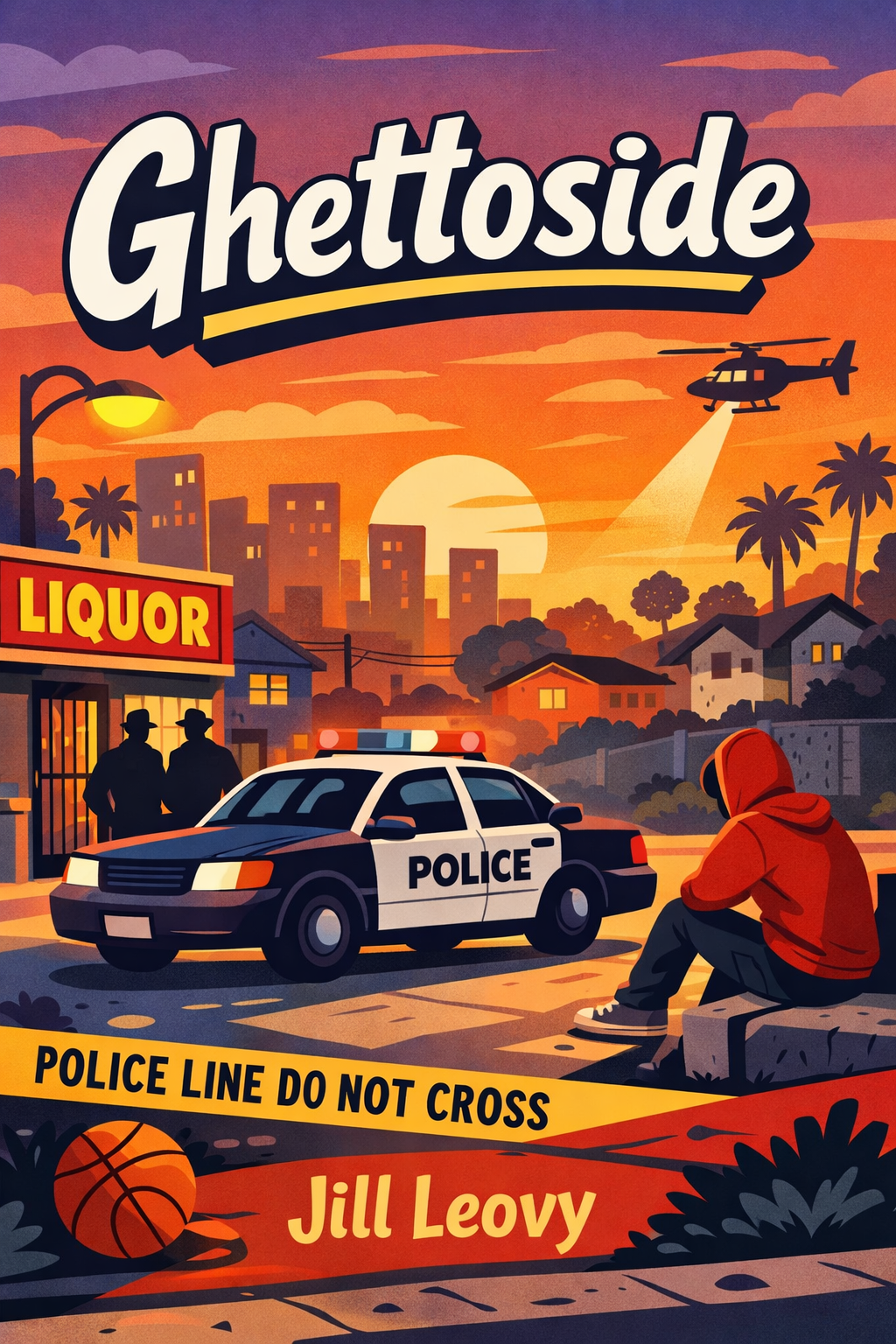
In “Ghettoside,” journalist Jill Leovy delivers a masterful and devastating investigation into a plague of violence that thrives in the shadows of American cities. Through the lens of a single, tragic murder in South Los Angeles—the killing of Bryant Tennelle, an eighteen-year-old black boy and son of a police detective—Leovy unravels a much larger and more systemic failure. The central, haunting truth she reveals is that while homicide is the leading cause of death for young black men in America, the vast majority of these killings go unsolved. This is not a story about crime rates, but about justice rates. The epidemic, Leovy argues, is not one of violence alone, but of impunity.
The statistics are staggering and form the bedrock of Leovy’s argument. Black men are murdered at rates astronomically higher than any other demographic, a grim disparity that has persisted for over a century. In some Los Angeles neighborhoods during the peaks of violence, a young black man’s chance of being killed rivaled the death rate of a soldier in a war zone. Yet, these deaths rarely capture sustained national attention. They are often dismissed with shorthand like “gang-related,” a label that obscures the individual humanity of the victim and the complex social fabric torn by each loss. Leovy forces us to see past the jargon, introducing us to grieving families, weary detectives, and communities living under a constant, low-grade terror where the ultimate authority is not the law, but the street.
The roots of this crisis, Leovy explains, are historical. For centuries, black communities in America have been systematically denied what sociologists call a “state monopoly on violence”—the fundamental promise that the government holds the sole legitimate right to use force and will protect its citizens equally. From the post-Civil War South through the Great Migration and into the urban upheavals of the 20th century, official law enforcement was either absent, hostile, or brutally oppressive. This void was never filled by the state; instead, it was filled by people themselves. When the law offers no redress for grievances, whether major or seemingly trivial, people create their own systems of justice. Retaliation becomes a necessary tool for maintaining respect and safety, and a powerful code of silence—where “snitching” is a deadly sin—takes hold to protect this fragile, violent order. The high homicide rate, therefore, is not a cause of lawlessness, but its most tragic symptom.
Modern policing, Leovy contends, has tragically misdiagnosed the problem. For decades, the dominant strategy in high-crime areas has been “prevention”: aggressive patrols, stop-and-frisk tactics, and mass arrests for low-level offenses. This approach is not only deeply alienating, breeding resentment and mistrust, but it is also spectacularly ineffective at stopping murders. It treats the symptoms while ignoring the disease. Meanwhile, the actual work of solving homicides—the meticulous, resource-intensive detective work that delivers real justice—is often starved of funding and prestige. Overburdened detectives are forced to drop cases as new ones pile up, sending a clear and corrosive message to the community: your lives are not worth the effort of investigation. The term “NHI,” or “No Human Involved,” once used casually in some police departments to categorize cases with black victims, epitomizes this moral failure.
The heart of “Ghettoside,” however, is not just an indictment but a blueprint for hope. Leovy immerses us in the world of a few dedicated detectives, like the relentless John Skaggs, who doggedly pursue justice for victims others have forgotten. She demonstrates, through gripping narrative, that solving murders is not an impossible task, even in these complex environments. Murders within these informal justice systems often follow predictable patterns and are widely known within the community. The barrier is not a lack of clues, but a lack of trust and resources. When detectives are given the time, support, and mandate to truly investigate—to treat every murder as the profound human catastrophe it is—they can break cases. More importantly, each solved case is a brick in rebuilding the state’s legitimacy. It proves that the law applies to everyone, that a life lost matters, and that the community can rely on something other than retaliatory violence for protection.
Ultimately, “Ghettoside” is a profound moral argument wrapped in a compelling true crime story. Leovy asserts that the right to physical security is the most fundamental of all civil rights, and that the failure to provide it in poor, minority communities represents America’s greatest moral and legal failing. The path forward is deceptively simple, yet monumentally difficult: shift the focus from controlling communities to protecting them. It requires investing in justice—in well-staffed detective units, forensic resources, and witness protection—rather than just in policing. By solving murders, the system can begin to dismantle the shadow justice it helped create, restore its own authority, and, most importantly, honor the value of every human life. The book is a powerful reminder that justice is not an abstract concept, but a practical, lifesaving service. Until it is delivered equally, the cycle of violence and grief will continue.