Description
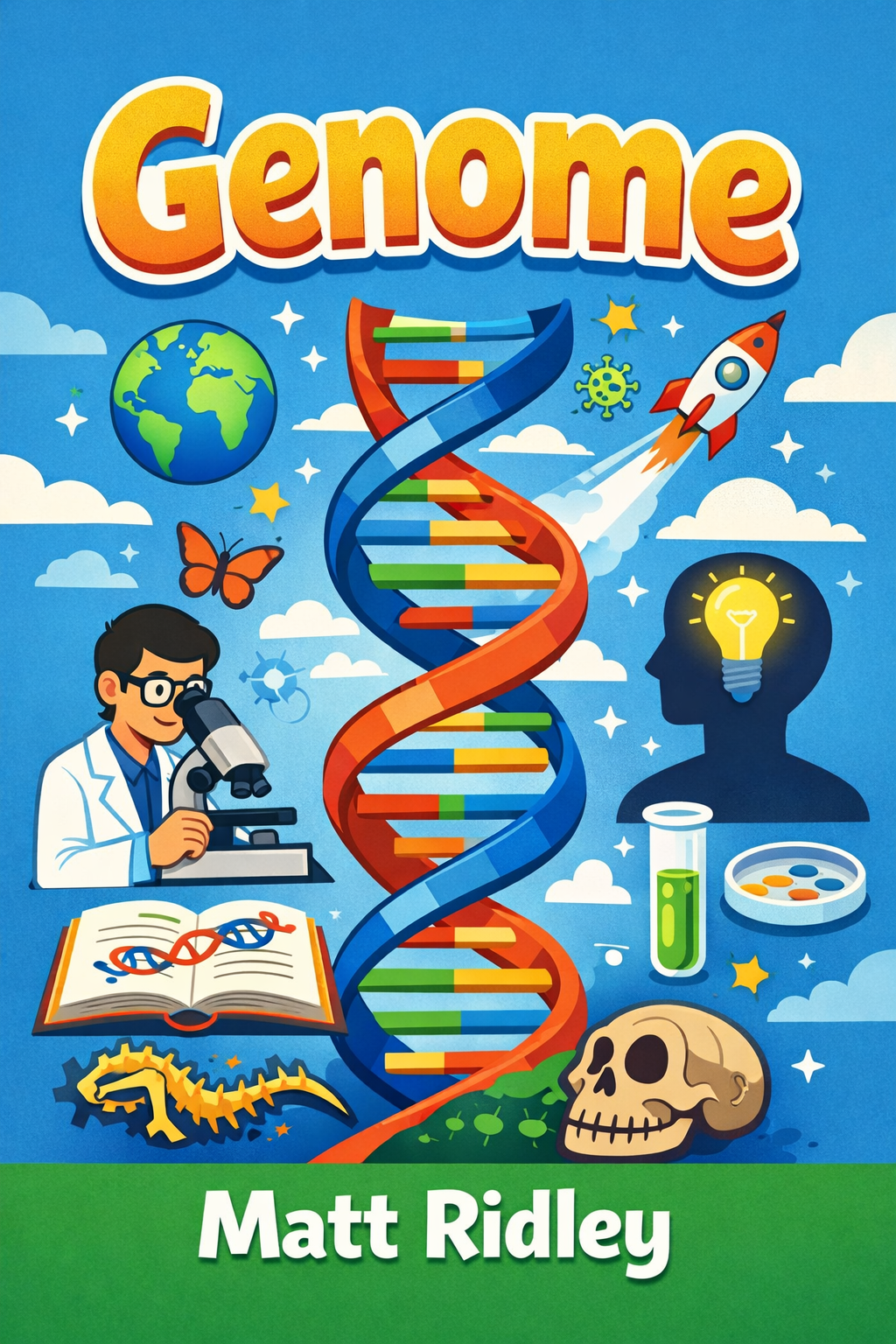
Genome takes us on an extraordinary expedition into the most intimate and influential book ever written: the human genetic code. This is not a dry scientific manual but a profound narrative, structured like a biography of our species told through twenty-three chapters—each corresponding to one of our chromosomes. The author masterfully uses each chromosome as a launching point to explore a fundamental aspect of human life that genetics helps to illuminate, from disease and aging to intelligence, personality, and even the very roots of human behavior.
The journey begins with the basic alphabet of life, the four chemical letters that string together in near-endless combinations to form genes. We learn how these genes are not rigid blueprints but dynamic scripts, interacting with each other and with the environment in astonishingly complex ways. The book dismantles the simplistic idea of a “gene for” any given trait, replacing it with a nuanced portrait of probability and influence. Through vivid examples and historical case studies, we see how tiny variations in this code—a single letter swapped for another—can mean the difference between health and devastating illness, such as in Huntington’s chorea or cystic fibrosis, stories told with both clinical clarity and deep human empathy.
Yet the exploration goes far beyond medical anomalies. The author delves into the genetic underpinnings of what makes us uniquely human. One chromosome might serve as a window into the genetics of intelligence, where the author carefully navigates the contentious history and misunderstood science of IQ and heredity, separating dangerous myth from fragile fact. Another becomes the stage for an investigation into personality, exploring what our genes might whisper about anxiety, novelty-seeking, and temperament. The book confronts the most controversial questions head-on: Do our genes influence our sexual orientation? Is there a biological basis for aggression or altruism? The answers provided are never sensationalist; they are cautious, evidence-based, and emphasize the overwhelming role of non-genetic factors.
A central and humbling theme is our shared ancestry. The book details how the human genome is a mosaic of history, carrying silent records of plagues, migrations, and ancient encounters with other hominid species like the Neanderthals. Our DNA reveals that beneath superficial differences of skin color or facial features, all humans are remarkably, overwhelmingly alike. The genetic variation within a single ethnic group is often greater than the average difference between groups, scientifically dismantling the concept of biological race. This genetic unity tells a powerful story of a young species that wandered out of Africa relatively recently, painting a picture of connectedness that challenges tribal prejudices.
The narrative also peers into the future, examining the promises and perils of our newfound genetic knowledge. The era of genomics, with technologies like CRISPR allowing for precise editing of DNA, is no longer science fiction. The book explores the thrilling potential to correct deadly genetic errors before birth, effectively eradicating hereditary diseases. But it also issues stark warnings about the ethical quagmires that accompany this power. Where is the line between curing a disorder and enhancing a human trait? Could we inadvertently create new inequalities or lose something essential in the human experience by attempting to design it? The author argues that these are not questions for scientists alone, but for all of society.
Ultimately, Genome is a story about fate and free will. It shows us that we are, in part, the sum of our genetic instructions—a hand of cards dealt at conception. But it passionately argues that we are not prisoners of that hand. The environment, chance, personal choice, and the intricate dance between our genes and our experiences shape the final outcome. Understanding our genome does not reduce us to automatons; instead, it grants us a deeper self-knowledge and a more informed capacity to shape our health and our world. It is a testament to the human curiosity that has decoded this ancient text within us and a guide to navigating the profound implications of that knowledge with wisdom, humility, and a renewed sense of shared humanity.