Description
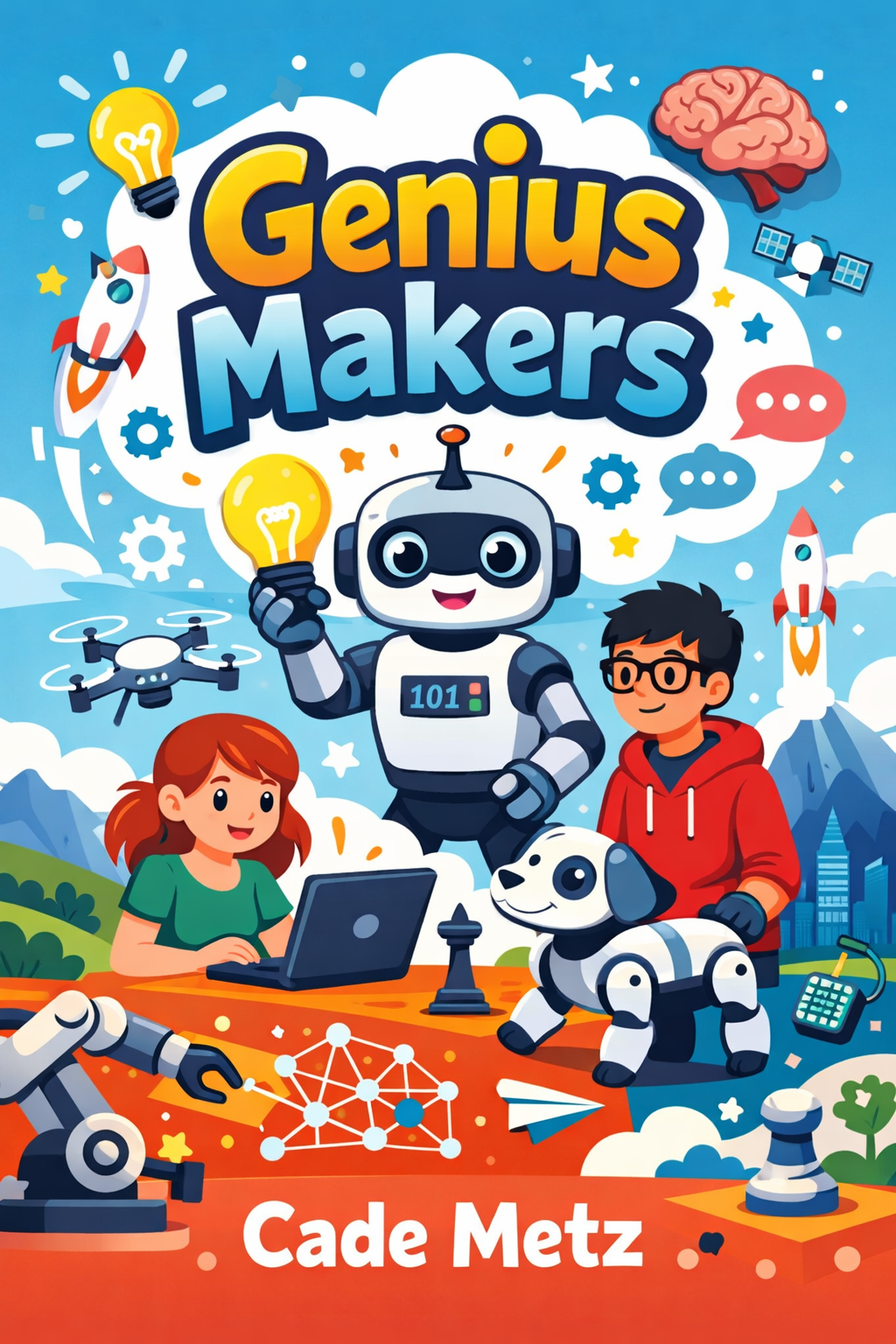
The quest to create machines that think like humans is no longer science fiction; it is the defining technological race of our century. This narrative chronicles that epic journey, not through dry technical explanations, but through the lives of the extraordinary individuals at its heart. It is a tale of genius, rivalry, obsession, and profound consequence, unfolding in university labs, corporate boardrooms, and secretive research facilities around the globe.
Our story begins in the academic wilderness, where a small group of steadfast believers in an idea called “neural networks” endured decades of skepticism and scarce funding. These pioneers, working in relative obscurity, laid the philosophical and mathematical groundwork for everything that was to come. They were driven by a pure, almost spiritual, conviction that the architecture of the human brain could be replicated in code. For years, their progress was painstakingly slow, measured in incremental papers and rejected grant proposals, while the broader field of artificial intelligence pursued other, seemingly more logical, paths.
The turning point arrived with a combination of raw computational power, vast new oceans of data from the internet, and a few critical algorithmic insights. Suddenly, these long-dormant neural networks awoke. They learned to see, identifying cats in YouTube videos and faces in photographs with accuracy that stunned their creators. They learned to hear and transcribe human speech. They learned to translate languages. This was no longer mere programming; it was a new form of machine learning, where the system taught itself. The obscure academic pursuit exploded into the most transformative force in technology.
As the potential became undeniable, the battleground shifted from lecture halls to the world’s most powerful corporations. The narrative follows the key players as they make fateful choices. Some, driven by idealism and a desire to advance knowledge for all, found themselves courted by tech giants offering previously unthinkable resources. Others were motivated by commercial ambition, seeing in this technology the keys to unimaginable wealth and market dominance. A tense and fertile migration began, with brilliant researchers trading tenure for stock options, bringing their world-changing ideas into the engines of Google, Facebook, Microsoft, and later, dedicated startups like OpenAI.
The book delves deep into the intense personal rivalries and philosophical schisms that shaped the field. It reveals the clashes between those who see artificial intelligence as a tool for human betterment and those who view its creation as an end in itself, a new form of intelligence that may surpass our own. It details the ethical dilemmas that arose almost immediately: biases encoded in algorithms, the threat to employment, the potential for autonomous weapons, and the existential fear of creating something we cannot control. These were not abstract debates; they were heated arguments between colleagues and friends, often leading to ruptures and the founding of competing ventures.
A significant portion of the drama centers on the emergence of a specific type of neural network adept at processing sequential data, which revolutionized language understanding. This breakthrough led directly to the creation of large language models, systems that could write, converse, and generate code. The race to build bigger and more powerful models became an all-consuming obsession, requiring staggering investments in computing power and talent. The narrative captures the breathless pace of discovery, where a breakthrough in one lab would send shockwaves through another, fueling a cycle of one-upmanship and accelerating progress at a dizzying speed.
The human cost of this race is not ignored. The book portrays the immense pressure on the researchers, the sleepless nights, the personal sacrifices, and the moral weight of their work. It shows how the culture of Silicon Valley, with its “move fast and break things” ethos, sometimes collided with the more cautious, deliberate pace of scientific inquiry. There are moments of triumph, as a team solves a problem that has plagued them for months, and moments of deep concern, as a model exhibits unexpected and perhaps troubling behavior.
Ultimately, this is a story about the transfer of world-altering power. It details how a small cadre of thinkers, once ignored, became the most sought-after experts on the planet, holding the blueprints to the future. Their ideas are now embedded in the search engines we use, the social media feeds we scroll, the digital assistants we speak to, and the financial systems that govern our economies. They have sparked a new industrial revolution, one driven not by steam or steel, but by algorithms and data.
The narrative concludes not with an ending, but with a threshold. The builders of this technology now stand at a precipice, looking at what they have wrought. They have achieved wonders, creating tools of immense utility and creativity. Yet, they are also the first to sound the alarm about the dangers, calling for regulation and careful stewardship of the force they have unleashed. The book leaves us with the central, unresolved question that hangs over every line of code and every research paper: In seeking to create machines in our own intellectual image, have we opened a door to a glorious future, or to a set of challenges that will redefine what it means to be human? The race to build artificial intelligence is over in the sense that the technology is here, living and learning among us. But the race to understand and guide its impact on our species has only just begun.