Description
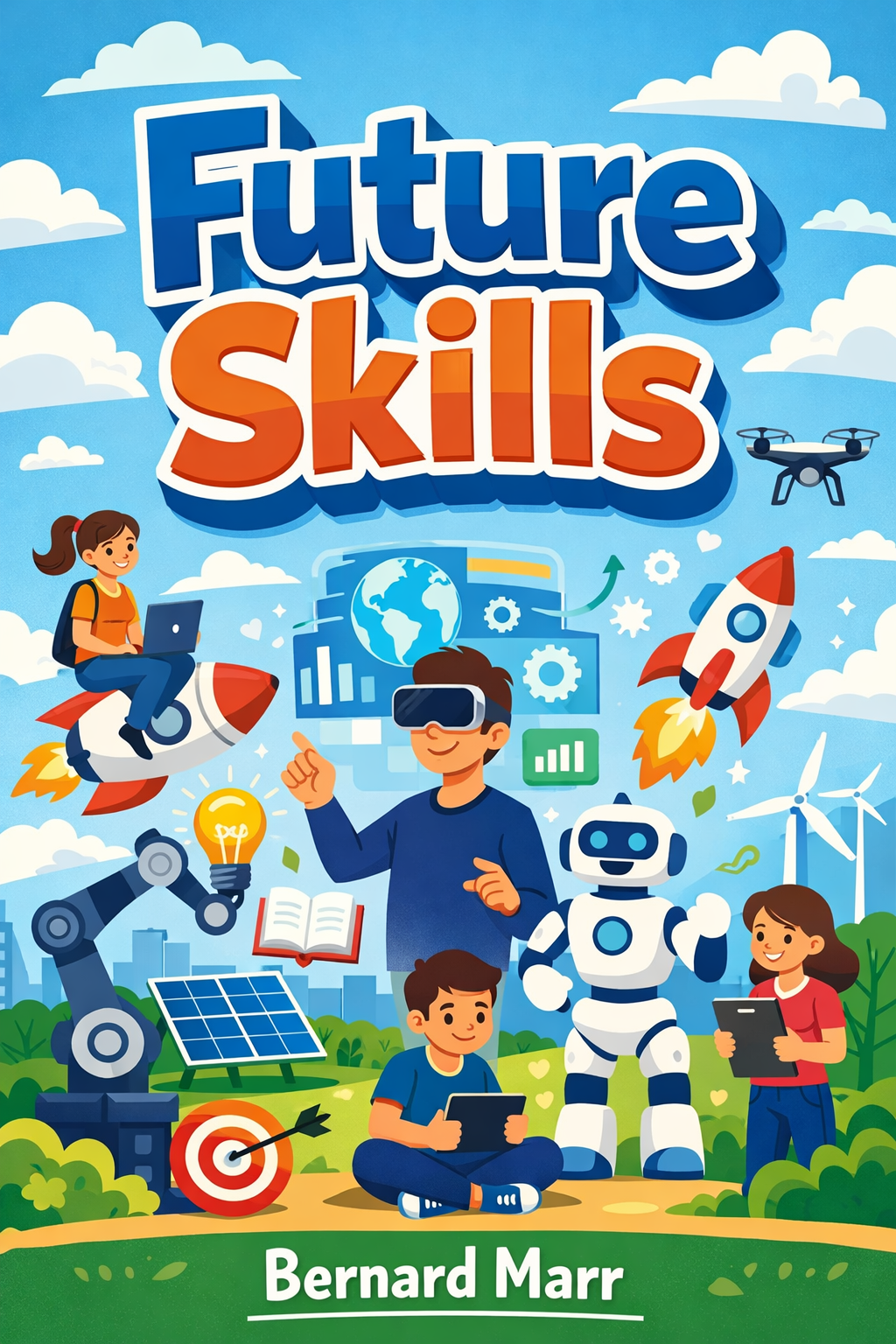
The landscape of work is undergoing a seismic shift, driven by relentless technological advancement. Predictions suggest that a vast majority of jobs in the near future will be roles we cannot yet imagine, born from the synergy between human creativity and machine capability. This transformation is not a threat to our humanity but an invitation to elevate it. As automation handles routine tasks, the uniquely human skills—our capacity for empathy, creative problem-solving, and nuanced understanding—will become the ultimate career currency. To not just survive but thrive in this new era, individuals must proactively cultivate a core set of future-proof competencies.
The foundation of this new era is digital and data literacy. This goes beyond basic computer skills; it is about developing a comfort and conversational fluency with the technologies reshaping every industry. It involves understanding how artificial intelligence and machine learning influence workflows and, crucially, knowing how to work with data. The future will be powered by information, and the ability to access, analyze, interpret, and communicate insights from data is fundamental. This means learning to ask the right questions, identify reliable data, and understand its ethical implications. Cultivating this literacy is an ongoing process of curiosity, leveraging online resources and courses to build the confidence needed to partner effectively with intelligent systems.
Equally vital is the ability to think critically. In an age of information overload, algorithmic bubbles, and sophisticated misinformation, the skill to analyze content objectively is a superpower. Critical thinking is the disciplined practice of questioning assumptions, evaluating sources, identifying biases—including our own—and constructing viewpoints based on evidence rather than emotion or echo chambers. It is the antidote to polarization, enabling us to navigate complexity, make sound decisions, and innovate. Sharpening this skill requires intentional practice: vetting information, seeking diverse perspectives, and constantly challenging our own cognitive shortcuts. In a world where machines can process, humans must excel at discernment.
While technology advances, our emotional core remains our greatest asset. Emotional intelligence (EQ)—the ability to perceive, understand, and manage our own emotions and to empathize with others—is what makes collaboration, leadership, and trust possible. High EQ leads to better conflict resolution, stronger relationships, and more thoughtful decision-making. In a digital environment that can often feel impersonal and rushed, EQ is the force that keeps our interactions human. It allows us to read unspoken cues, manage stress constructively, and provide the empathy that no algorithm can genuinely replicate. Developing EQ is a journey of self-awareness, active listening, and practicing empathy, ensuring we remain anchored and effective amidst rapid change.
All these skills converge in how we communicate. Future-ready communication transcends simple language proficiency; it is the sophisticated art of exchanging information, meaning, and emotion across various mediums. With much work happening remotely, the loss of nonverbal cues—which convey the majority of a message’s meaning—makes intentional communication more critical than ever. This involves understanding different communication styles, choosing the appropriate medium for the message, and mastering active listening. It means crafting clear, concise written messages and using video to rebuild relational context. The goal is to communicate with clarity, confidence, and respect, ensuring that collaboration remains seamless and effective whether teams are across the table or across the globe.
Finally, success in a interconnected world demands cultural intelligence. Diversity is not just a metric; it is a proven engine for innovation and performance. The ability to work effectively with people from different backgrounds, perspectives, and cultural norms—cultural intelligence—is therefore a key competitive advantage. It enables organizations to understand and serve global markets and fosters environments where diverse ideas can collide to spark breakthrough solutions. Cultivating this intelligence requires an open mindset, a willingness to learn about other cultures, and the humility to question our own defaults. It is about moving beyond tolerance to genuine inclusion and collaborative synergy.
Ultimately, preparing for the future is less about predicting specific jobs and more about building a resilient, adaptable human skill set. By investing in digital fluency, critical analysis, emotional depth, sophisticated communication, and cultural collaboration, we equip ourselves to navigate uncertainty with confidence. These are the timeless skills that will allow us to harness technology as a tool for augmentation, not replacement, ensuring that in the machine age, our humanity becomes more valuable than ever.