Description
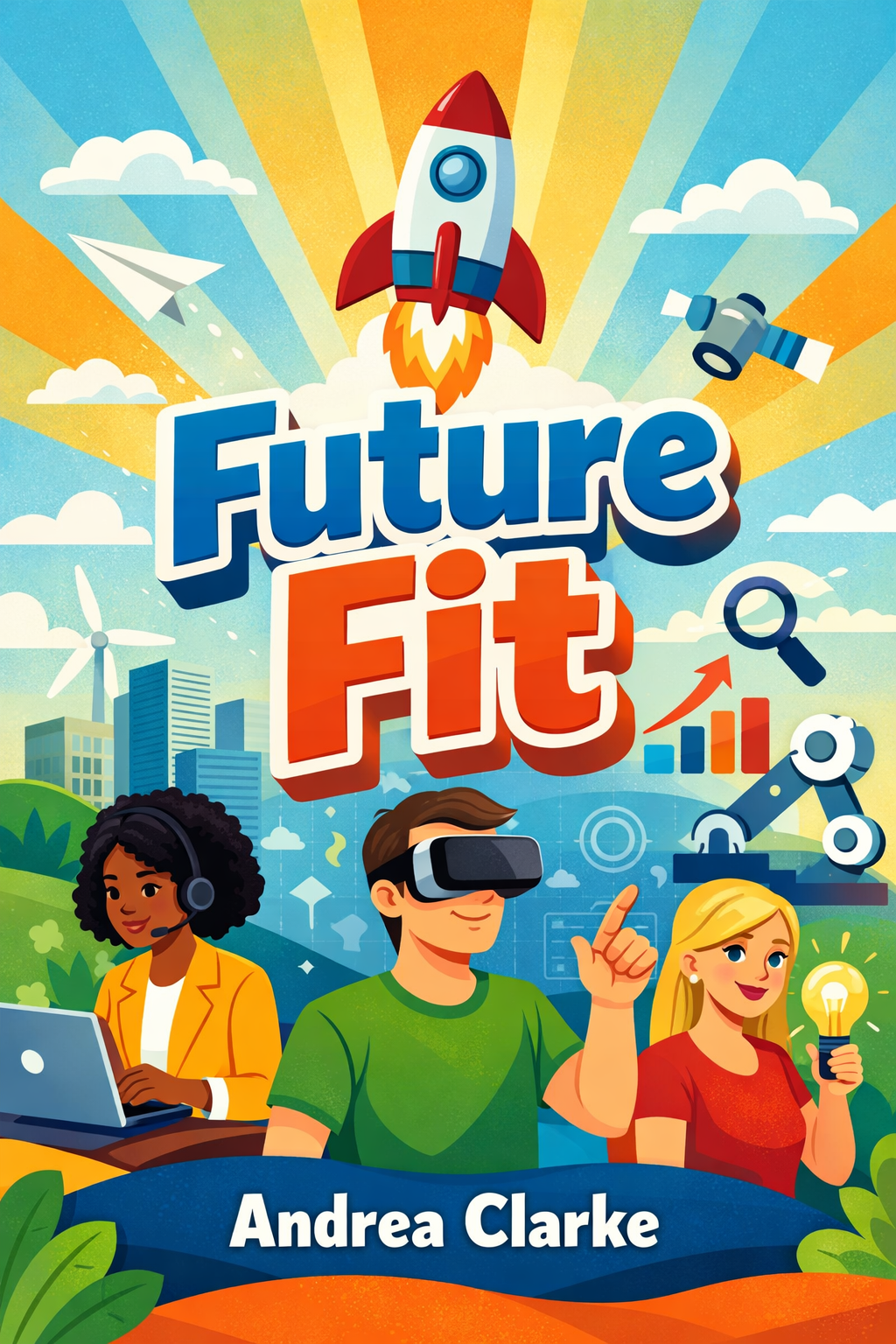
The landscape of work is undergoing a seismic shift, driven by relentless technological advancement and the integration of artificial intelligence. The fear of being left behind, like a relative baffled by a new device, is a legitimate concern for many. This text serves as a guide to not just survive but excel in this emerging environment, outlining the essential skills and mindsets that will separate the future-ready from the obsolete. It argues that proactive preparation is no longer a luxury but a necessity, and that by cultivating a specific set of human-centric qualities, you can secure your value in a world where machines handle an increasing share of routine tasks.
Your journey begins with a concept that will become as crucial as your resume: your personal brand. In a future of remote work and digital-first interactions, you will have fewer opportunities for in-person impression-making. Your personal brand—the synthesis of your values, style, and the experience you create for others—must therefore work harder for you. It will need to communicate your unique value proposition as clearly and effectively as a consumer product brand. This requires deep self-reflection to understand your core purpose and drive. When you can articulate this authentically, you present not just a set of skills, but a compelling, coherent narrative that makes you a distinctive and attractive prospect to future employers or collaborators.
Coupled with a strong personal brand is the non-negotiable skill of super-communication. The future will be characterized by information overload, complexity, and constant change. The ability to process dense information and convey it with clarity, speed, and impact will be invaluable. Think like a television reporter thrown into a breaking news story: you must quickly distill the essence, decide what is vital, and present it in a structured, memorable way. A practical approach involves starting with a bold headline, supporting it with three clear, signposted points backed by data, and concluding with a powerful call to action or takeaway. Those who master this art of cutting through the noise will become indispensable nodes in any network.
This rapid pace of change demands a third core attribute: radical adaptability. Technological progress is no longer linear; it builds upon existing platforms, leading to exponential growth. Where the telephone took decades to achieve mass adoption, modern apps can reach the same scale in days. To avoid becoming the technophobe relative of tomorrow, you must actively engage with new developments across fields, not just your own. When change arrives, you must activate by seeking the opportunity within it, not lamenting the disruption. Finally, you must release outdated attachments—whether to obsolete methods, comfortable routines, or simply the fear of the unknown. Embracing adaptability means sailing with the winds of change, not anchoring yourself against them.
At the heart of your future-proof toolkit lies creativity, a fundamentally human capability that machines cannot authentically replicate. Research shows that individuals who identify as creators often enjoy greater financial success and personal fulfillment, and are perceived as better leaders and problem-solvers. Yet, much creative potential remains untapped. Unleashing yours involves deliberate practice. Try forced adaptation by engaging in unfamiliar activities to shock your brain out of its ruts. Embrace visualization, as mentally rehearsing success primes your neural pathways to achieve it. Learn emotional regulation, as the ability to manage stress and frustration is the bedrock upon which creative breakthroughs are built. Creativity is not a mystical gift but a muscle that can be strengthened.
Directly linked to creativity is sophisticated problem-solving. The complex challenges of the future will require moving beyond linear thinking. Two powerful facilitators are divergent thinking—generating a wide array of possible solutions without immediate judgment—and systems thinking, which understands how individual components interact within a larger whole. By first exploring wildly different ideas and then analyzing how they fit into the broader ecosystem of a problem, you can develop innovative and effective solutions that address root causes, not just symptoms.
Your professional network will also evolve. Future networking will be less about collecting business cards and more about re-engaging the deep, trusted connections you already have, such as old friends, former classmates, or past colleagues. These groups provide a foundation of trust and shared history that is far more resilient and valuable than a vast but shallow pool of contacts. In a world of digital noise, the quality and authenticity of your connections will trump quantity.
As workplaces become more fluid, project-based, and decentralized, leadership itself must transform. The command-and-control model will fade in favor of facilitative leadership. The leaders of tomorrow will be those who can empower diverse teams, foster psychological safety for risk-taking, and guide rather than dictate. They will be architects of culture and enablers of collaboration, requiring high levels of emotional intelligence and the ability to inspire a shared vision without relying on hierarchical authority.
All these elements are underpinned by one overarching principle: the commitment to continuous learning. The idea of a finite education ending in your twenties is obsolete. Staying ahead means cultivating a lifelong learner’s mindset, actively seeking new knowledge, skills, and perspectives. This is the ultimate adaptability skill, ensuring you can evolve as the world does. By integrating these strategies—forging a authentic personal brand, mastering communication, embracing adaptability, harnessing creativity, solving complex problems, nurturing genuine networks, practicing new forms of leadership, and learning relentlessly—you equip yourself not as a passive bystander to the future, but as an active and confident participant, fully fit for what comes next.