Description
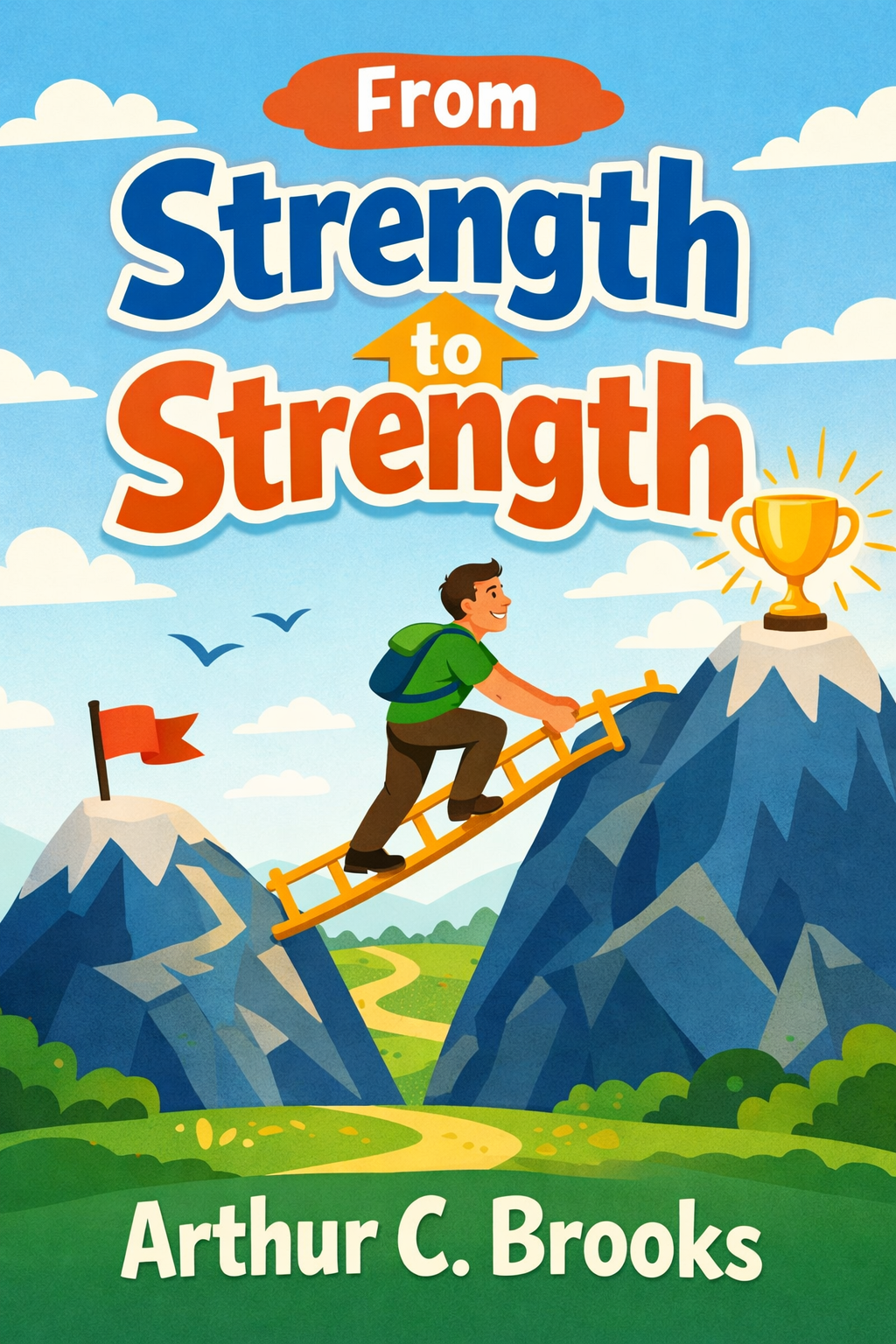
Many of us spend the first part of our lives climbing a steep mountain, driven by the need to achieve, innovate, and build a reputation. We operate on raw brainpower, relentless hustle, and the thrill of the new. But what happens when, inevitably, that climb becomes harder? The energy wanes, the novel ideas don’t come as quickly, and the professional peak seems to be in the rearview mirror. This moment, often framed as a crisis of decline, is actually a profound invitation. It is the signal to transition from one mountain to another, from the striving of the first half of life to the meaning of the second.
The journey begins with a fundamental, liberating acceptance: professional decline in our original, fluid-skills-based work is not only normal but predictable. Consider the brilliant Charles Darwin, who by 50 had published his world-changing theory. Yet, in the decades that followed, he viewed himself as a failure, lamenting his inability to produce another earth-shattering breakthrough. He was trapped by the expectation that his later years should mirror the explosive creativity of his youth. Modern science explains this pattern. Our fluid intelligence—the capacity for rapid problem-solving, learning new skills, and generating innovative ideas—tends to crest in early adulthood and gradually diminish. This is visible across fields, from the age of Nobel-winning discoveries to the mandated retirement ages in high-stakes professions. Fighting this natural shift is a recipe for frustration. The real opportunity lies not in resisting the change but in understanding the new strengths that are simultaneously emerging.
This is where your secret weapon comes into play: crystallized intelligence. Unlike fluid intelligence, this is the deep reservoir of knowledge, pattern recognition, and wisdom accumulated over a lifetime. It is the ability to synthesize complex information, understand the broader context, and offer nuanced judgment. While the young mind excels at generating sparks, the mature mind is unparalleled at building and tending fires. This intelligence doesn’t decline; it grows richer through your forties, fifties, and sixties. The pivotal move in the second half of a fulfilling career is to pivot from roles that demand pure fluid intelligence to those that leverage this crystallized wealth. This might mean shifting from being a solo performer to a conductor, from a hands-on creator to a mentor, or from a specialist to a strategic advisor. The oldest professors often receive the highest teaching evaluations not because they recall facts faster, but because they can weave those facts into a compelling, wisdom-filled narrative. In business, the young entrepreneur needs the seasoned board member to discern which brilliant idea is actually viable.
Embracing this new phase often requires a courageous, counterintuitive act: knowing when to walk away from the very path that defined your initial success. History celebrates figures like the Roman leader Cincinnatus, who secured victory and then voluntarily returned to his farm, understanding that clinging to power would diminish his legacy. The author’s own story mirrors this. He dedicated his youth to becoming a world-class French horn player, achieving professional success in his early twenties. When his technical abilities began to fade, he spent years in a painful struggle to reclaim them. Only by finally walking away from that identity was he able to discover his true calling as a writer and social scientist, finding a success far more aligned with his maturing strengths. This isn’t about quitting in defeat; it’s about a strategic retreat from a battlefield you are no longer built to win, in order to deploy your forces on terrain where you can be truly dominant.
Ultimately, this transition demands a fundamental shift in what we value. The first mountain is often about worldly rewards: accolades, prestige, income, and influence. These are not inherently bad, but they make for a fragile foundation in the long run. To build a second mountain that offers enduring fulfillment, we must shake our reliance on these external validations. The focus turns inward and outward—toward contribution, relationships, teaching, and leaving a legacy. It’s about finding joy in the success of those you mentor, satisfaction in the application of hard-won wisdom, and peace in a life oriented toward service rather than accumulation. The second half of life, therefore, is not a slow descent from a peak, but a journey to a different, more serene and rewarding vista altogether. By accepting the natural evolution of your abilities and consciously redirecting your accumulated experience, you can trade the exhausting pursuit of success for a deep and lasting state of fulfillment, truly moving from strength to strength.