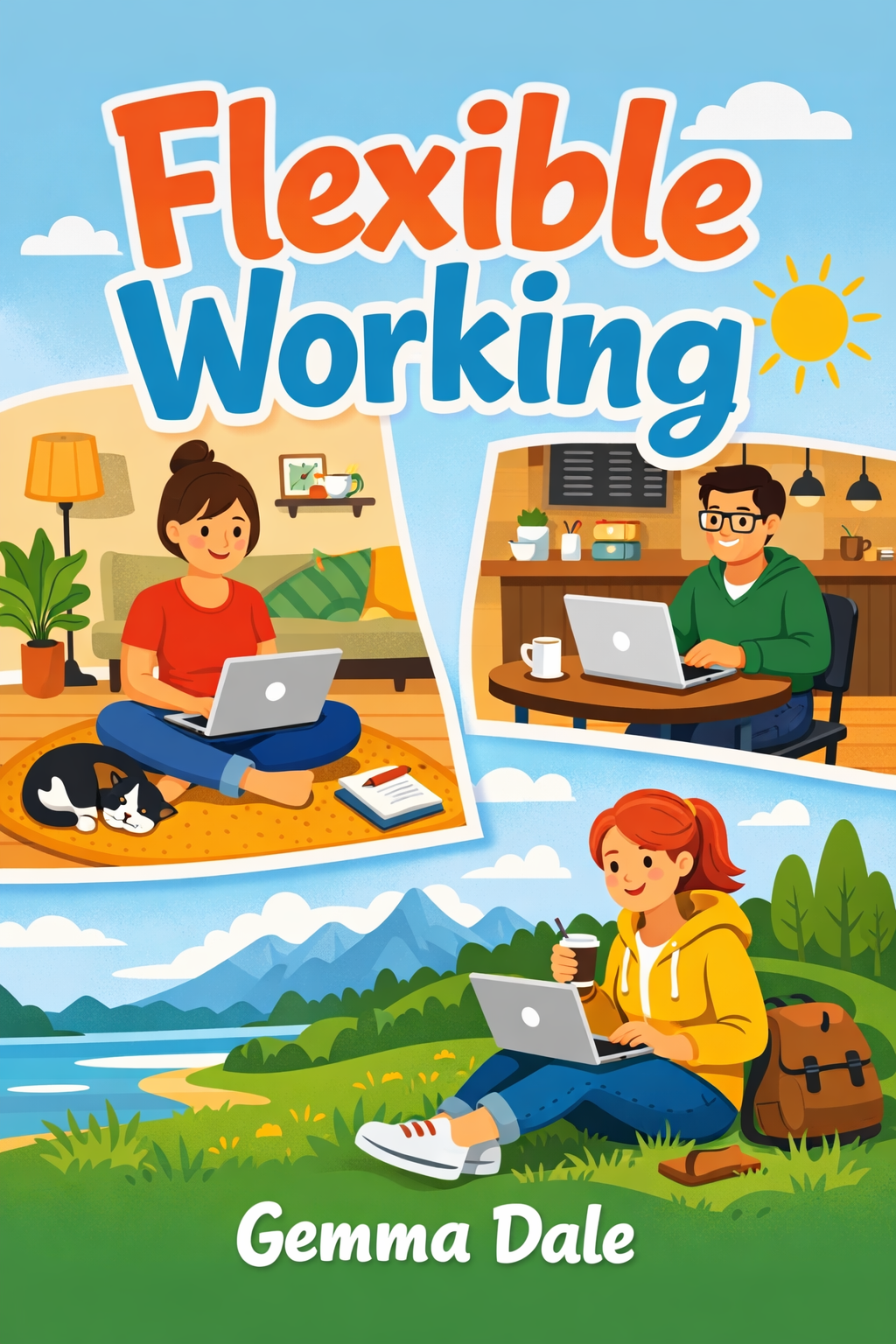
Description
The rigid nine-to-five workday is a relic of a bygone era, as outdated as the factories that first inspired it. The modern world demands a new approach, one that acknowledges the diverse lives and responsibilities of today’s workforce. This book serves as a field guide to this new frontier, arguing that flexible working is not a fringe perk but a fundamental shift in how we organize productivity and well-being. It demonstrates that by rethinking when, where, and how work gets done, companies can unlock greater employee satisfaction, attract top talent, and future-proof their operations, while individuals gain the autonomy to design a life that doesn’t force them to choose between professional ambition and personal fulfillment.
The journey begins by dismantling the myth of the one-size-fits-all schedule. True flexibility encompasses a spectrum of arrangements, from compressed workweeks and remote telecommuting to adjusted core hours and results-oriented project work. The appeal is universal: studies consistently show a vast majority of employees desire more control over their time. This isn’t about working less, but about working smarter. For the employee, it alleviates the immense stress of juggling fixed office hours with childcare, education, or caring for relatives. For the employer, the benefits are tangible—increased productivity, higher levels of employee engagement, improved retention, and access to a wider, more diverse talent pool unconstrained by geography.
This shift is propelled by powerful, irreversible trends. Demographics are changing, with multiple generations in the workforce, each with different expectations. Technology has dissolved physical barriers, enabling seamless collaboration across continents. A push for greater inclusivity means creating environments where parents, people with disabilities, or those with unique personal circumstances can thrive professionally without being sidelined by an inflexible system. The future of work is not about everyone returning to a central office; it is about building adaptable, human-centric models that respond to real life.
At the heart of this transformation is a profound boost to overall well-being. The daily commute, often cited as the worst part of a person’s day, becomes optional. The constant pressure of “presenteeism”—the need to be seen at a desk—fades, replaced by a focus on actual output and results. This allows for a healthier work-life balance, reducing burnout and the feeling of never being able to disconnect. Critics may fear that freedom leads to slacking, but evidence suggests the opposite. When trust replaces surveillance, most employees respond with greater motivation and accountability, taking ownership of their responsibilities precisely because they have been granted autonomy.
Transitioning to this model requires overcoming both practical and cultural barriers. A major hurdle is a management culture that equates physical presence with productivity. Combating this requires clear communication and education, reframing flexibility as “agile work” to emphasize its dynamic nature. Technology is the essential enabler, providing the tools for connection and coordination. Cloud-based platforms, shared digital workspaces, and video conferencing become the new office infrastructure, making work visible and collaborative regardless of location. The goal is to create a system where contribution is measured by impact, not attendance.
The principles for success are universal, applicable to a small startup or a centuries-old multinational corporation. The process starts with leadership commitment and a clear vision. It involves co-creating policies with employees, selecting the right technological tools, and, crucially, training managers to lead distributed teams effectively. The transition must be planned meticulously, with clear guidelines on communication protocols, performance expectations, and data security. Piloting programs with specific teams can build confidence and provide valuable lessons before a company-wide rollout.
Ultimately, a successful flexible work environment rests on a foundation of crystal-clear policies and mutual trust. Guidelines must explicitly cover eligibility, request procedures, equipment provisions, and cybersecurity to prevent confusion and ensure fairness. Planning ahead for challenges like maintaining company culture, fostering spontaneous collaboration, and ensuring equitable career advancement for all is vital. By methodically addressing these elements, any organization can navigate the shift. The conclusion is both simple and revolutionary: embracing flexibility is not just an operational change, but a strategic investment in a more resilient, innovative, and human-friendly future of work.