Description
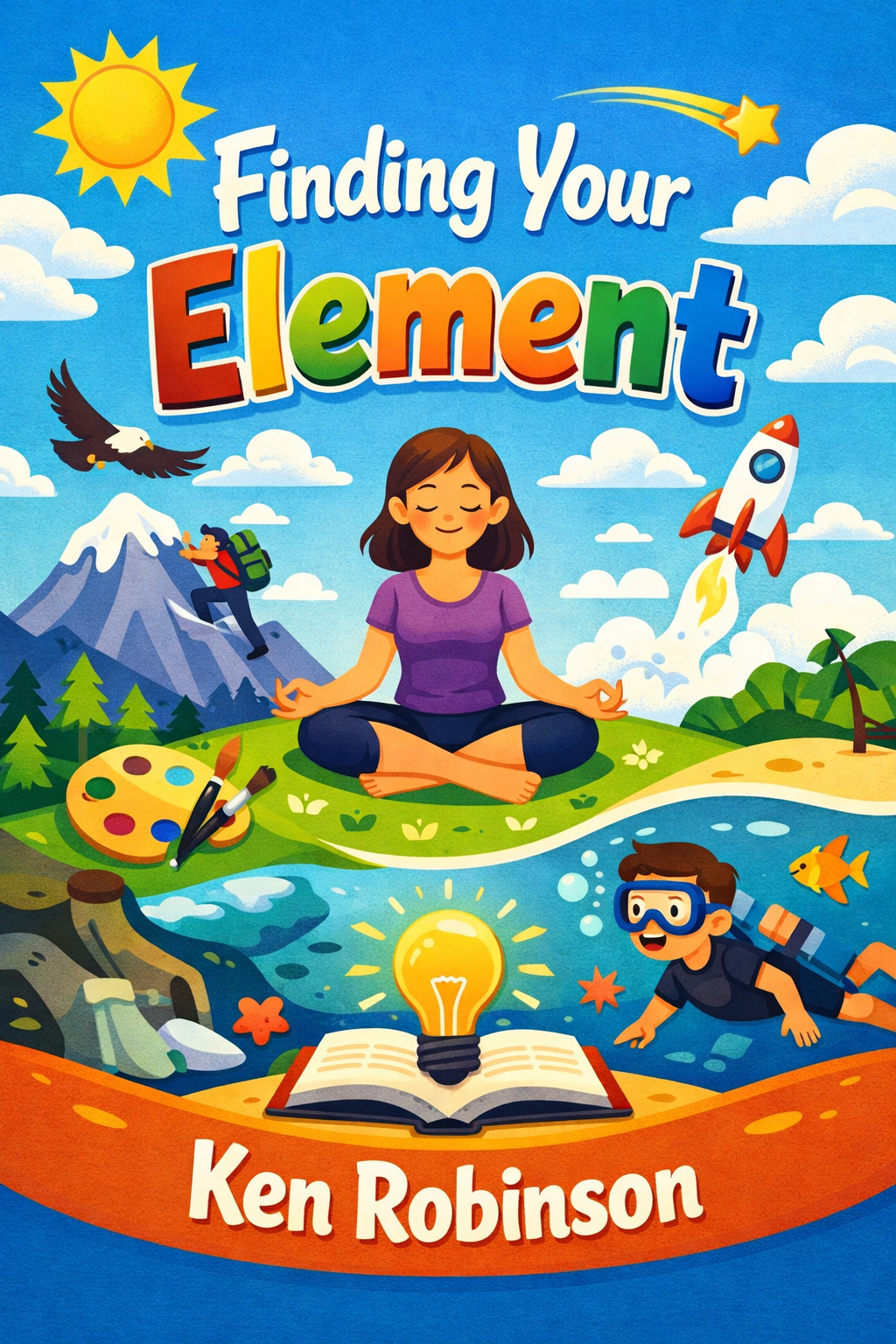
Your journey begins with a fundamental truth: you are utterly unique. Your specific genetic code has never existed before, and the particular blend of environments, relationships, and moments that have shaped you is entirely your own. This isn’t just a sentimental idea; it’s a biological and historical fact. Your life is an original composition, which means your path to fulfillment will be equally distinct. Recognizing this singularity is the first step toward unlocking your potential, as it frees you from the pressure to follow a generic, one-size-fits-all blueprint for life.
Society often promotes a linear narrative: graduate, specialize, build a career, and settle down. However, rigid long-term plans can blind you to the unexpected opportunities that make life rich and surprising. The future is inherently unpredictable, and that’s its great advantage. By releasing the need for total control and remaining open to new directions, you allow serendipity to play its part. Many people find their greatest achievements not by sticking to a childhood script, but by adapting to and seizing unforeseen chances. Embracing uncertainty is not a passive act; it’s an active strategy for discovering paths you never knew were possible.
Within you lie dormant aptitudes and innate abilities waiting to be discovered. Human intelligence is multifaceted, yet many of our innate talents remain hidden simply because we’ve never been in an environment that revealed them. You cannot know if you have a gift for sailing if you’ve never seen the ocean, or a talent for music if you’ve never held an instrument. Cultural norms and social circumstances can further bury these aptitudes, steering you away from interests deemed unsuitable. The key is to consciously create opportunities for discovery. This means stepping out of your comfort zone, trying new activities, meeting different people, and exploring unfamiliar fields. Each new experience is a chance to encounter a hidden part of yourself.
A major obstacle to this discovery is often our formal education. Traditional schooling tends to value a narrow band of intelligence, primarily logical and linguistic reasoning, and often stigmatizes mistakes. If you struggled with math or language in school, you may have concluded you are “bad” at it, but this is a misleading judgment. The classroom setting may not have matched your learning style, or the subject may have been taught in a way that obscured its true nature for you. Many brilliant individuals, from artists to entrepreneurs, have poor academic records in the very fields they later mastered. It is crucial to separate your sense of ability from your past grades and to re-examine subjects with fresh, curious eyes.
Beyond external systems, our own internal attitudes can be the most significant barriers. A fixed mindset—the belief that our abilities are static and unchangeable—can paralyze growth. This is often reinforced by societal focus on innate talent or IQ. In contrast, a growth mindset embraces the idea that capabilities can be developed through dedication and practice. Furthermore, self-limiting beliefs, often born from comparison or early discouragement, can cause us to abandon interests prematurely. Cultivating a growth-oriented and forgiving attitude toward yourself is essential for progress.
At the heart of this journey is the pursuit of passion. Passions are those activities that absorb you completely, making time seem to stand still. They are the keys to profound well-being. Engaging in what you love isn’t just emotionally fulfilling; it has tangible benefits for physical health, reducing stress and enhancing overall vitality. If you feel you lack passion, it is almost certainly because you haven’t found it yet, not because it isn’t there. The search requires active curiosity—exploring new hobbies, delving into topics that pique your interest, and paying attention to what energizes and excites you.
True happiness is a personal definition, not a cultural checklist. It’s vital to question preconceived notions of success and fulfillment imposed by others. What brings you joy and a sense of purpose? Finally, while the journey is personal, you don’t have to walk it alone. Finding your “tribe”—a community of people who share your passions—provides invaluable support, inspiration, and feedback. These connections can accelerate your growth, turn a solitary interest into a shared mission, and make the process of finding your element a richer, more joyful experience. The goal is to weave your unique aptitudes and passions into the fabric of your daily life, creating a personal and professional existence that feels authentically and exhilaratingly your own.