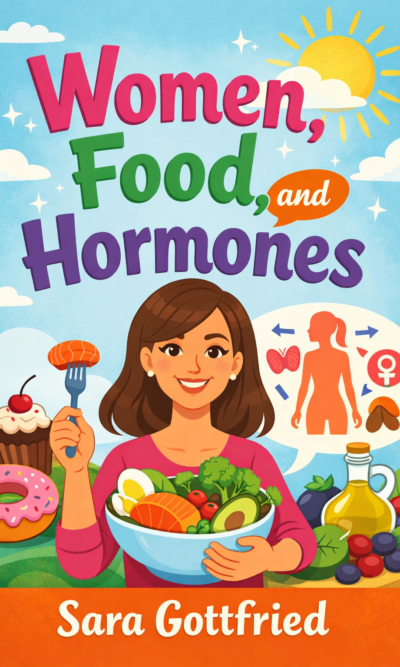
Description
The common perception of fasting often involves extreme deprivation, but the reality is far more accessible and tailored. At its core, this approach champions intermittent fasting—daily windows of 13 to 15 hours without food—as a sustainable backbone for wellness. Modern science reveals that *when* we eat is more critical than *how much* we eat. Studies show that simply compressing our daily eating window can lead to significant metabolic improvements, including better blood sugar regulation and reduced inflammation, without altering diet composition. This works by triggering a natural process called metabolic switching. When we fast for an extended period, our bodies exhaust their immediate sugar stores and begin converting stored fat into energy molecules called ketones. This shift from sugar-burning to fat-burning mode not only aids weight management but also initiates cellular repair, reduces cancer risk, and supports brain and gut health. Our ancestors naturally cycled through this state daily, but our modern, always-available food supply often prevents us from reaping these profound benefits.
However, a one-size-fits-all fasting schedule ignores a critical biological variable for women: the hormonal cycle. The menstrual cycle, typically spanning 28 days, is a dynamic dance of estrogen, progesterone, and testosterone. These hormones influence energy, mood, and metabolism. The key insight is that fasting interacts differently with each hormonal phase. The book outlines a cycle-synced framework, dividing the month into distinct phases: Power, Manifestation, and Nurture. During the two Power phases (roughly days 1-10 and 16-19 of the cycle), estrogen is dominant. Estrogen thrives in a low-insulin environment, making this the ideal time for more ambitious fasting, from daily intermittent fasts up to extended 24, 36, or even 72-hour fasts to deepen detoxification and immune reset. The brief Manifestation phase around ovulation (days 11-15) is characterized by a peak in estrogen and a rise in testosterone. Here, moderation is key, with recommendations to limit fasting to a gentle 13-15 hours daily to support hormonal balance.
The approach fundamentally shifts during the Nurture phase (from roughly day 20 until menstruation begins), when the body aims to produce progesterone. Progesterone requires stable blood sugar and is suppressed by the stress hormone cortisol, which can be elevated by intense fasting. Therefore, this phase calls for a pause on formal fasting. Instead, the focus should be on nourishing, frequent meals to support progesterone production, reduce stress on the body, and ensure a healthy transition into the next cycle. This cyclical strategy prevents fasting from becoming a stressor that disrupts delicate hormonal harmony.
To safely begin, the book proposes a structured 30-day reset plan. This isn’t a plunge into deep fasting but a gradual introduction. It starts with a two-week “pre-reset” of cleaning up the diet by eliminating processed oils, refined sugars, and synthetic ingredients while slowly narrowing the daily eating window. The full reset then carefully maps different fasting lengths onto the individual’s hormonal timeline, starting with shorter 13-hour fasts at the beginning of the cycle and gently progressing to a 17-hour fast, then pulling back during ovulation and eliminating fasting entirely in the final pre-menstrual days. This method trains the body to access a fasted state without shock, building metabolic flexibility over time.
Nutrition is the essential partner to the fasting clock. The book advocates for two primary eating styles, used in rotation with the cycle. During Power phases, a “ketobiotic” approach—emphasizing high amounts of healthy fats, moderate clean protein, and very low carbohydrates—helps maintain low glucose and insulin, optimizing the fat-burning and cellular repair benefits of fasting. During the Manifestation and Nurture phases, a shift to “hormone feasting” is recommended. This style includes more carbohydrates (from whole food sources), less protein, and abundant good fats to provide the building blocks and stable energy needed for progesterone synthesis and overall hormonal support.
Finally, the act of breaking a fast is presented as a deliberate ritual, not an afterthought. How you reintroduce food determines whether you sustain the benefits gained during the fast. The general principle is to start gently, especially after longer fasts. Beginning with bone broth or easily digestible liquids helps awaken the digestive system without overwhelming it. This should be followed by a balanced meal of proteins and fats, saving more complex carbohydrates for later. This mindful conclusion protects the gut, stabilizes blood sugar, and ensures the body transitions smoothly back into a fed state, making the entire practice sustainable and effective for the long term. By synchronizing the ancient practice of fasting with the modern understanding of female endocrinology, this method offers a personalized path to reclaiming metabolic health, hormonal balance, and vitality.