Description
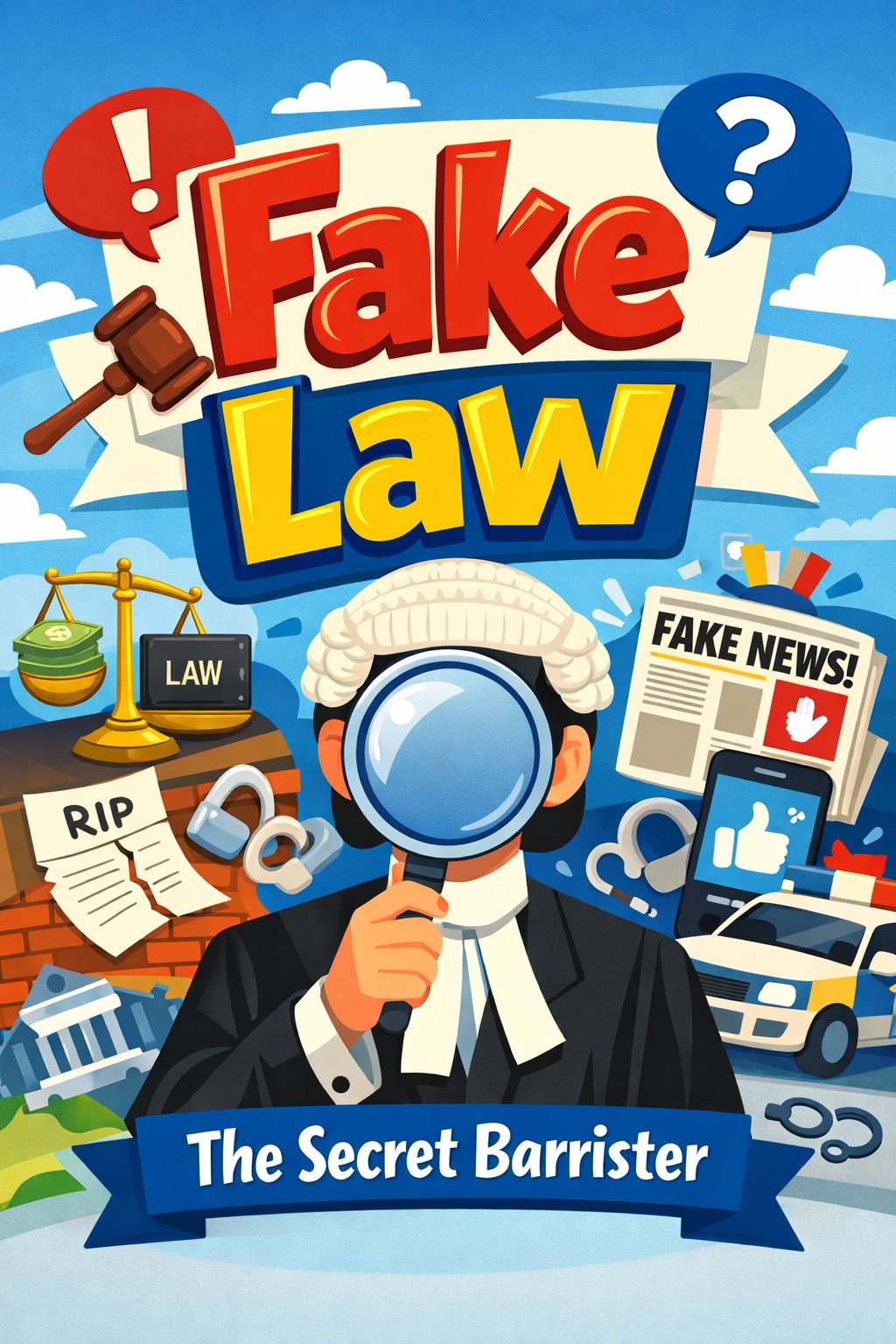
We are constantly bombarded by outraged headlines: homeowners jailed for fighting back, heartless courts denying children treatment, human rights laws protecting dangerous criminals, and a legal system drowning in frivolous lawsuits. These narratives, often pushed by media and politicians, create a pervasive sense that the law is broken, biased against ordinary people, and no longer serves justice. This book is a powerful antidote to that confusion. Written from an insider’s perspective, it meticulously dissects these infamous stories to reveal the sobering, principled, and often compassionate reality of English law that lies beneath the inflammatory soundbites.
The case of farmer Tony Martin, convicted for shooting a burglar, is often held up as the ultimate proof that you cannot defend your own home. The narrative paints him as a tragic hero. Yet, the law is clear: you can use reasonable force to defend yourself, your family, and your property. The key is necessity and proportionality. Martin’s story, when examined, unravels. He did not act in sudden, terrified confrontation. He heard intruders outside, dressed, loaded his gun, lay in wait, and shot to kill as they fled. The court did not punish a homeowner for defending his castle; it convicted a man for executing a disproportionate act of vengeance. The law protects the right to self-defense, but it cannot sanction vigilantism disguised as it.
Similarly, the heartbreaking case of baby Charlie Gard was presented as a cold bureaucracy overruling loving parents. The reality is that English law places the child’s best interests as the paramount consideration, above even the wishes of distraught parents. The proposed treatment was experimental, had never worked on a human with Charlie’s condition, and would have prolonged his suffering. The court’s agonizing duty was to protect Charlie from futile pain. This principle is consistently applied, as seen when courts order life-saving blood transfusions for the children of Jehovah’s Witnesses against parental wishes. The law acts as a crucial safeguard, ensuring a child’s welfare is not subject to the unfettered, however well-intentioned, decisions of others.
The myth of a “compensation culture” is another pillar of fake law. Stories of people winning thousands for trivial accidents are designed to provoke anger. But the legal principle is a duty of care—the simple idea that we must act reasonably to avoid harming others. The child awarded compensation for a custard splash was, in fact, severely burned and left permanently scarred because the custard was dangerously hot. The cleaner who fell over a mop likely did so because of a hazard created by their employer. Compensation isn’t for hurt feelings; it’s calculated to cover medical costs, lost earnings, and lifelong impacts from genuine negligence. These payouts are not a lottery win but an attempt, however imperfect, to restore what was lost.
Perhaps no area is more distorted than human rights law. Cases like that of Mohammed Ibrahim, an Iraqi convicted of a driving offense that killed a child, who then resisted deportation, are framed as the system prioritizing criminals over victims. The Human Rights Act, particularly Article 8 on the right to family life, is vilified. Yet the law’s application is nuanced. In considering deportation, a judge must weigh the individual’s crime against the impact on their innocent family members—like Ibrahim’s two young, dependent children. Deportation would punish them by removing their father. The law recognizes that even those who have done wrong are still human beings with relationships, and that punishing the guilty sometimes unjustly punishes the blameless. It is a difficult balance, but not a corrupt one.
This balancing act is fundamental to the justice system itself. The feeling that a rape victim is “on trial” stems from a foundational principle: the burden of proof rests entirely with the prosecution. The defendant is presumed innocent. This means the prosecution must prove guilt beyond reasonable doubt, a deliberately high standard because convicting an innocent person is considered a greater injustice than acquitting a guilty one. For a victim, this process can feel like an invasion, as their testimony and credibility are tested. But this rigorous testing is the price of a system that prioritizes protecting the innocent from wrongful imprisonment. It is a painful paradox, not a design flaw.
Ultimately, fake law thrives on simplifying complex, agonizing dilemmas into moral fables. It pretends there are easy answers where there are none. This book argues that the real law, for all its complexities and difficult judgments, is built on enduring principles: proportionality, the welfare of the vulnerable, duty of care, the humanity of all individuals, and the presumption of innocence. Understanding these principles doesn’t make every outcome feel right, but it replaces manufactured outrage with a clearer, more sober grasp of how justice is painstakingly sought in an imperfect world. It is an invitation to look beyond the headline and engage with the reasoned, and often deeply human, reality of the law.