Description
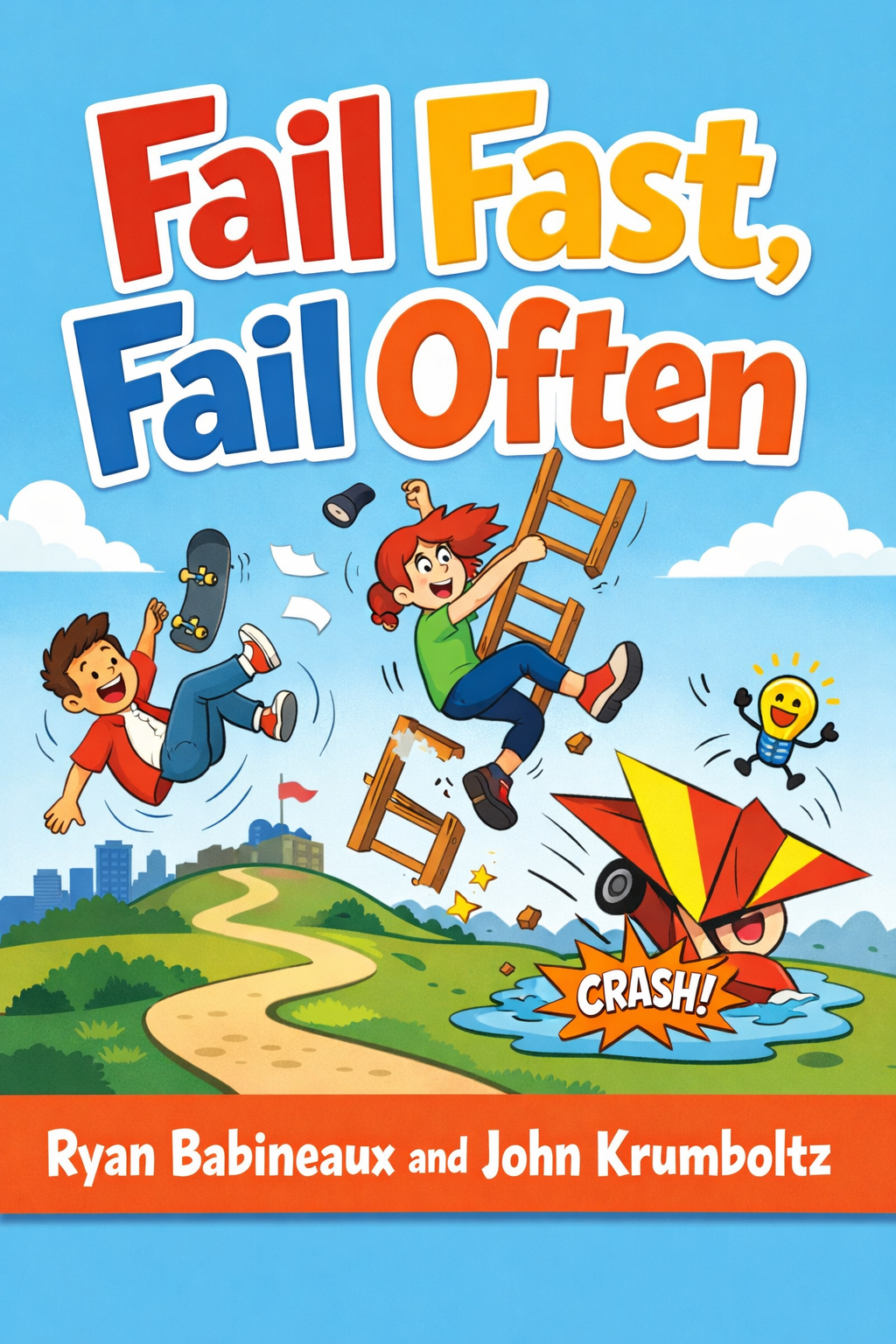
Many of us feel trapped in routines that drain our joy, stuck in careers that lack passion, and paralyzed by the fear of stepping into the unknown. This pervasive sense of dissatisfaction often stems from a deep-seated dread of failure. We wait for the perfect plan or the right moment, telling ourselves “not yet,” while life passes us by. The transformative idea at the heart of this philosophy is a deliberate inversion of this instinct: to live a fulfilled and successful life, we must actively seek new experiences, prioritize fun, and, most counterintuitively, learn to fail fast and often. Success is not a destination reached through flawless planning, but a dynamic process built through action, adaptation, and the lessons gleaned from missteps.
The first step is to abandon the passive “not-yet” approach and start creating happiness in the present. Waiting for future conditions to be perfect is a recipe for stagnation. Research and anecdotal evidence show that even small actions to boost your mood can significantly improve performance and creativity. The story of Clif Bar’s creation is a perfect example; it was not born from a meticulous business plan but from a cyclist’s moment of dissatisfaction and a spontaneous decision to make a better-tasting energy bar. This underscores a critical principle: success often springs from seizing opportunities and taking action, not from waiting for a comprehensive blueprint.
Central to this active life is the deliberate pursuit of fun. We often dismiss fun as frivolous, but integrating enjoyable activities is a powerful catalyst for unexpected success and personal transformation. By mapping out the places and activities that genuinely bring you energy and joy—and consciously spending more time there—you open doors to new opportunities and networks. A legal assistant who loved acting, for instance, didn’t just dream of the stage; she started a drama club. This fun side project didn’t just make her happier; it ultimately led her to a more creative and fulfilling career path. Psychologists suggest maintaining a ratio of at least three positive experiences for every negative one to build resilience and openness, proving that fun is a practical strategy, not just an indulgence.
This brings us to the core, challenging premise: failure is not the opposite of success, but its essential fuel. Our culture often stigmatizes mistakes, yet rapid iteration and learning from error is the most reliable engine for improvement. A famous ceramics class experiment demonstrated this powerfully. Students tasked with making as many pots as possible—focusing on quantity and inevitably producing many flawed ones—ended up creating the highest quality work by the end. Those focused solely on making one perfect pot had no failures to learn from and showed less improvement. This principle is used by top comedians like Chris Rock, who test and refine material in small clubs, and by entrepreneurs like Howard Schultz, whose early, flawed coffee shop concepts taught him the lessons that built Starbucks. Each failure provides invaluable data, accelerating the journey toward what works.
To leverage this, we must reclaim the beginner’s mindset. The anxiety of being new at something, of not being immediately proficient, holds countless people back. This fear itself becomes a self-fulfilling prophecy, guaranteeing the inaction that feels like failure. The alternative is to step into the discomfort. Try the new hobby, ask for the promotion, strike up the conversation. You might discover you dislike jiu-jitsu but love tai chi. The attempt itself expands your world, introduces you to new people, and teaches you about your own preferences and capacities. The goal is not to avoid falling but to learn how to get up differently each time.
Reigniting a childlike curiosity is the engine that drives this continual experimentation. As adults, we often suppress our innate desire to ask “why” and explore, fearing it’s unproductive. Yet, curiosity is the antidote to fear and the source of innovation. Consider someone who wants to learn guitar but is intimidated by the years of practice required. If she frames the first step not as a monumental commitment but as a curious experiment—”I wonder what sound this makes?”—the barrier drops. Diverse curiosity, as practiced by visionary figures like Steve Jobs, who drew inspiration from art and calligraphy, fuels creative connections that lead to groundbreaking ideas. Asking questions opens new pathways.
Finally, while thinking big is important, acting small is what makes big dreams achievable. Ambitious goals can be overwhelming and lead to burnout if not broken down. A man aiming to run a marathon and lose significant weight may quit entirely if his first week of extreme training leaves him sore and discouraged. Instead, by decomposing a large vision into tiny, manageable actions—like walking for ten minutes today—you build momentum and celebrate small wins. This makes the process sustainable and turns the daunting journey into a series of achievable steps. This journey, however, is not meant to be walked alone. Building a supportive community is crucial. Sharing your attempts, your fun maps, and your failures with others provides encouragement, accountability, and diverse perspectives that can help you see opportunities and solutions you might miss on your own.
Ultimately, this is an invitation to shift from a life of cautious planning to one of spirited doing. It champions action over perfection, curiosity over certainty, and resilience over avoidance. By giving yourself permission to seek joy, experiment freely, and learn continuously from what doesn’t work, you construct a more dynamic and fulfilling life. The fastest route to success is paved with small, smart failures, each one a stepping stone built from experience.