Description
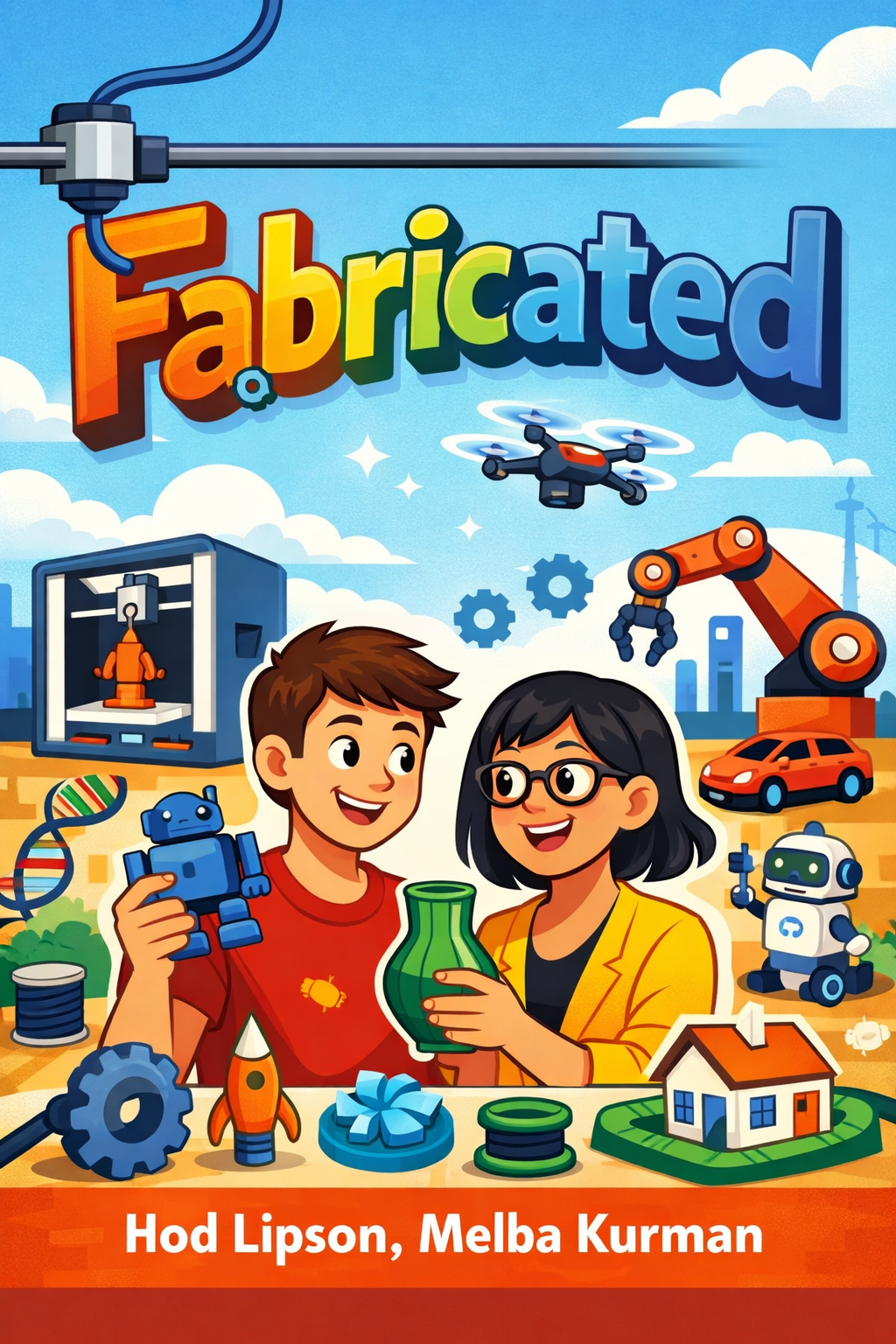
The world stands on the brink of a manufacturing revolution, not in a distant factory, but potentially on your own desk. This is the promise of 3D printing, a technology that fabricates physical objects from digital blueprints by adding material one microscopic layer at a time. Far from a niche hobby for creating trinkets, this process heralds a fundamental shift in how we design, produce, and interact with the material world. It democratizes creation, turning anyone with a concept and a design file into a potential producer, and challenges the very foundations of mass production that have dominated for over a century.
At its core, the process is a dialogue between imagination and machine. It begins in the digital realm with sophisticated design software that allows creators to sculpt and manipulate objects in a virtual three-dimensional space. This environment offers unparalleled freedom, letting designers view a concept from every angle, tweak proportions with a click, and experiment without wasting physical resources. Once perfected, this digital model is sliced into thousands of horizontal layers and sent to the printer. The printer then meticulously renders each layer, whether in plastic, metal, ceramic, or even biological cells, stacking them precisely until the object emerges fully formed from the build platform.
This method carves out a unique space between two traditional poles of production. Mass production is excellent for making vast quantities of identical items cheaply, but it is notoriously inflexible; altering a design requires retooling entire assembly lines at great cost. On the other hand, artisanal craftsmanship offers beautiful uniqueness and customization but cannot scale efficiently. 3D printing elegantly bridges this gap. It allows for the precise, repeatable creation of countless copies like an assembly line, while also granting the artisanal freedom to alter each item individually without stopping production. A company could print a thousand identical engine parts, or a thousand each subtly customized for a specific user, with no change to the machinery.
The implications for innovation and business are profound. By drastically lowering the cost and risk of experimentation, 3D printing acts as a catalyst for creativity. Inventors and entrepreneurs can prototype and test designs rapidly without the need for expensive molds or specialized factory contracts. This fosters a new model known as cloud manufacturing, where production is decentralized into networks of smaller printers. A designer in Lisbon can upload a file, and a specialized printing facility in Seoul can produce and ship the item locally, reducing transport costs and inventory waste. This system empowers small-scale makers to compete, shifting economic power away from monolithic factories and towards distributed networks of creation.
Perhaps the most astonishing applications extend beyond inert objects into the very stuff of life itself. Researchers are climbing a “ladder of life,” using bioprinters to layer living cells into functional tissues. We are already printing custom prosthetic limbs that are tailored not just to fit a patient’s body, but to match their aesthetic and lifestyle. Further up the ladder lies the potential to print skin grafts for burn victims, bone replacements, and one day, perhaps even complex organs. Simultaneously, the technology is entering the domestic sphere with food printers that could precisely assemble meals from fresh ingredients, offering new possibilities for nutrition and culinary art.
Yet, this transformative power is not without significant questions. The environmental impact presents a complex picture. On one hand, 3D printing promotes sustainability through localized production, cutting down on the carbon footprint of global shipping and allowing for on-demand manufacturing that reduces overproduction and waste. It enables lightweight, efficient designs impossible with traditional methods, saving material and energy. On the other hand, the process currently relies heavily on plastics and polymers, raising concerns about waste streams if printed items are treated as disposable. The energy consumption of printers, especially for metal sintering, can be high, and the long-term environmental effects of novel printing materials are still being studied. Furthermore, the democratization of manufacturing brings serious societal challenges, including the potential for printing dangerous items like untraceable weapons, the disruption of global labor markets, and intense intellectual property debates as physical objects become as easy to copy and share as digital music once was.
In conclusion, 3D printing is far more than a novel way to make plastic toys. It is a foundational technology that reimagines the journey from idea to object. By merging digital flexibility with physical instantiation, it promises to reshape industries, empower individuals, and confront us with urgent ethical and environmental choices. Its trajectory suggests a future where production is personal, medicine is customizable, and the boundaries of creation are limited only by our collective imagination and wisdom.