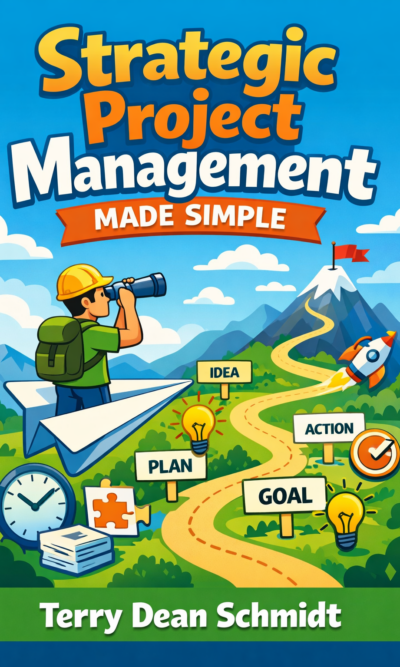
Description
The common belief that extreme productivity requires exhausting, non-stop effort is a myth. True productivity operates on a principle of simplicity and strategic effort, where working smarter—not longer—creates a positive cycle. By finishing core work efficiently, you gain more time for personal pursuits, leading to greater happiness and refreshment, which in turn fuels further productivity. This approach is about achieving a Zen-like state of busyness, where minimal effort yields maximum results. The journey begins with mastering the art of planning and prioritization.
Effective planning starts by organizing your work into distinct time horizons. Separate your responsibilities into long-term career aims, medium-term objectives, and short-term targets. This structure allows you to see the forest for the trees. Crucially, you must then align these tasks with what both you and your employer value most, tackling shared priorities first. To ensure your time investment matches these priorities, track your days. You may discover significant hours drained by activities that don’t advance your key objectives, like unnecessary meetings. This audit of your time naturally highlights a major productivity thief: procrastination.
When faced with a mountain of work, the solution is to break it into manageable foothills. Combat paralysis by deconstructing large projects into smaller targets, each with its own mini-deadline. Instead of a single, distant due date that invites last-minute panic, create a series of evenly spaced deadlines that guide steady progress. To cement accountability, share this schedule with your boss or a colleague. This external commitment transforms personal intention into a social contract, dramatically increasing your follow-through. Remember to celebrate meeting these mini-deadlines; rewarding progress reinforces productive behavior.
With priorities set and big projects mapped, you must efficiently dispatch lower-priority tasks. The enemy here is perfectionism. Reserve your meticulous energy for high-impact work. For routine items, adopt the “Only Handle It Once” principle. When an email or request arrives, decide and act immediately if possible, rather than letting it languish and require re-reading later. The goal is to clear the administrative underbrush quickly, preserving your focus and patience for the substantive work that truly matters. This is especially critical for a core professional skill: writing.
Writing efficiency is not about typing speed, but about structured thought. Begin with a messy brainstorm, dumping every relevant idea onto the page. Next, categorize these thoughts into logical groups and sub-groups. Finally, arrange these categories into a coherent outline. This process imposes order on chaos, transforming a daunting blank page into a simple fill-in-the-blanks exercise. Structure must be paired with focus. Seek out quiet periods for deep writing, whether by arriving early, using travel time, or finding a secluded spot. Protect this focus fiercely.
This entire system underscores a fundamental truth: the value of your work lies in the quality of the product you deliver, not the hours logged producing it. No one judges a book by how long it took to write. Similarly, a brilliant report written in three focused hours is superior to a mediocre one cobbled together over eight distracted hours. Challenge workplace cultures that unconsciously reward long hours over excellent results. You can be an agent of change by refusing to make snide comments about colleagues’ schedules and by modeling a results-oriented mindset yourself.
Ultimately, extreme productivity is not just a professional tool; it is a holistic practice that integrates your personal life. Relentless work without recovery leads to burnout, not brilliance. Protecting time for family, hobbies, and rest is not a distraction—it is what refuels your capacity for high-quality work. Furthermore, flexibility in where you work can boost focus. The goal is to build a sustainable system where professional achievement and personal fulfillment are not in conflict, but are mutually reinforcing pillars of a productive and satisfying life.