Description
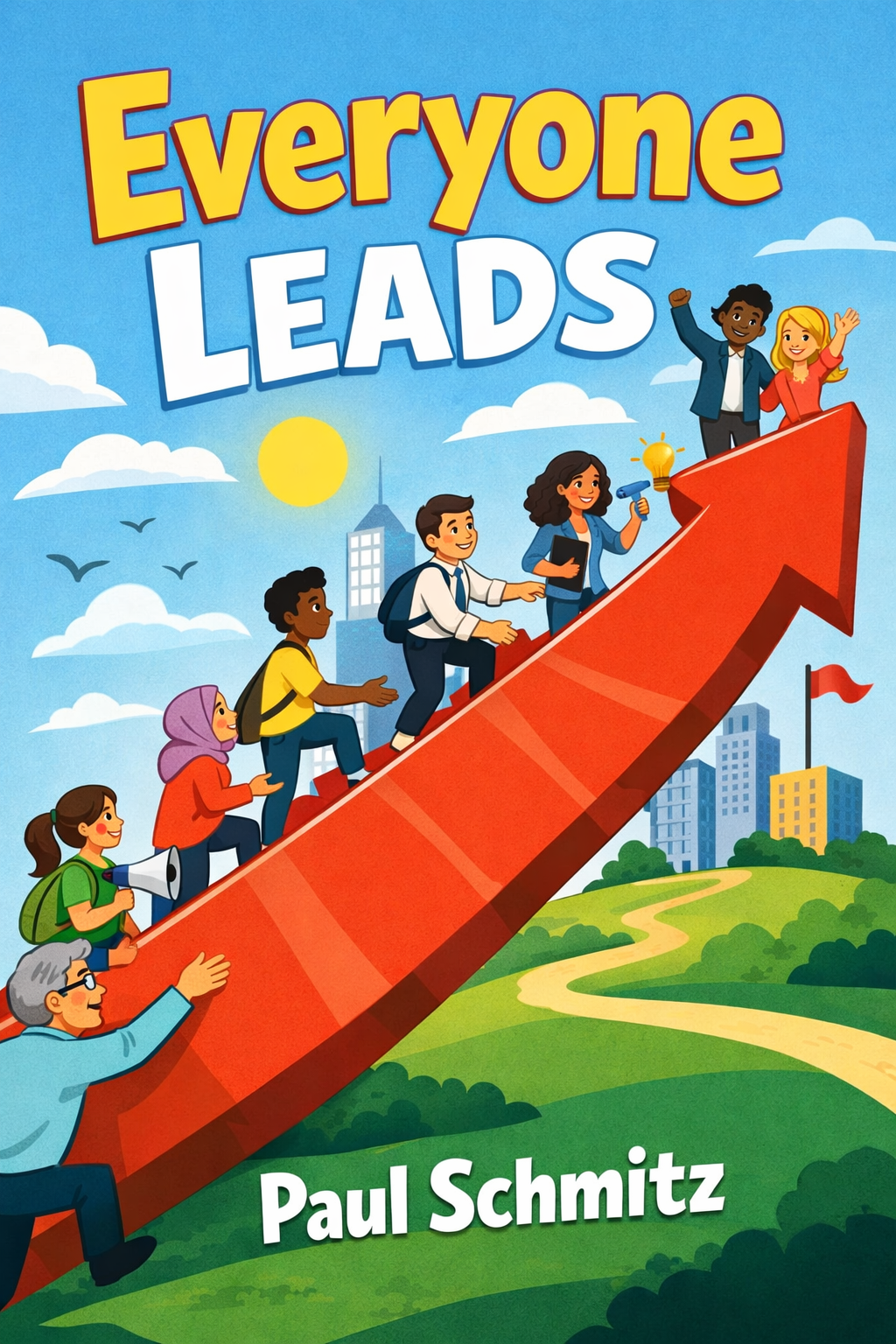
The traditional image of a leader is a myth. We are conditioned to see leaders as those with impressive titles, elite educations, and formal authority. This book dismantles that narrow view, arguing persuasively that leadership is a universal potential, not a rare trait. True, transformative leadership is not about commanding from the top but about connecting, mobilizing, and serving from within a community. It blossoms in the most unexpected places—from young people in struggling neighborhoods to individuals overcoming personal adversity. The central promise of this book is that by shifting our focus from individual pedigree to collective capacity, we can unlock a more powerful, inclusive, and effective form of leadership that exists in all of us.
The journey begins by redefining where we look for leaders. Our obsession with “résumé bling” blinds us to the qualities that truly drive change: street smarts, resilience, creativity, and the ability to inspire others toward a common goal. Research and real-world examples show that some of the most impactful entrepreneurs and community organizers are not academic stars but possess profound self-reliance and critical thinking. The story is illustrated through initiatives like The Strive Partnership in Cincinnati, which dramatically improved graduation rates not by importing experts, but by better coordinating the existing efforts of students, teachers, and community members. This demonstrates a core principle: sustainable solutions are built by enhancing what a community already has, not by imposing external fixes.
To ground this philosophy, the author shares a powerful personal narrative. He describes his own origins as a self-perceived underachiever in a high-achieving family, a path marked by rebellion and struggle. His turnaround began with a choice for recovery and was forged through humble jobs, a commitment to self-improvement, and seizing unexpected opportunities. This journey, from a place of doubt to becoming the CEO of a national nonprofit, is not told as a lone hero’s tale, but as evidence that leadership potential is forged in the fires of personal challenge. His own transformation taught him to see and nurture that same latent potential in others, especially those from marginalized backgrounds, proving that effective leaders are made, not born, and can emerge from any starting point.
Historically, America’s greatest movements—from the Revolution to civil rights—were not solely the work of a few famous figures but were powered by the collective action of ordinary people. This “leading from the ground up” tradition is more relevant than ever. Today, technology and shifting generational values are accelerating this model. While digital tools can create weak ties, they are powerful amplifiers for on-the-ground organizing, helping communities coordinate and scale their impact. Simultaneously, the rise of generations that value collaboration, diversity, and purpose over hierarchy demands a new leadership style. This aligns with modern theories like Servant Leadership, which prioritizes empathy and service, and the idea that leadership is about enabling others to achieve shared purpose. The old “great man” model is giving way to a collaborative, values-driven approach.
The practical engine for this philosophy is a method called Asset-Based Community Development, or ABCD. This approach is a fundamental mindset shift. Instead of entering a community seeing only its needs and deficits (a “half-empty” glass), ABCD teaches us to first see its assets, skills, and strengths (the “half-full” glass). Every person and every community possesses inherent gifts. Effective leadership involves connecting these assets to build solutions from within. This requires rejecting an “us versus them” mentality and avoiding the trap of defining people solely by their past mistakes or current struggles. As one insightful friend noted, “You can’t define someone’s life by the stupidest thing they’ve ever done.” By focusing on assets rather than labels, we foster empathy, inclusivity, and genuine collaboration, recognizing that everyone—including ourselves—is a complex mix of strengths and weaknesses.
Finally, in our interconnected world, this asset-based approach must be applied with cultural intelligence. Effective modern leadership actively seeks diversity, not as a checkbox, but as a source of strength and innovation. It means recruiting and valuing people for their unique experiences and potential, not just their formal credentials. It also requires a keen awareness of power dynamics—understanding who has traditionally been heard and who has been sidelined. A true community leader works to bridge these divides, creating spaces where different voices are not just present but are genuinely empowered to contribute. This creates a holistic, resilient community where leadership is a shared responsibility, continually renewed from a deep and diverse well of talent. The ultimate message is an empowering one: you don’t need permission or a title to lead. By focusing on community strengths, acting collaboratively, and valuing every contributor, you can start creating change right where you are.