Description
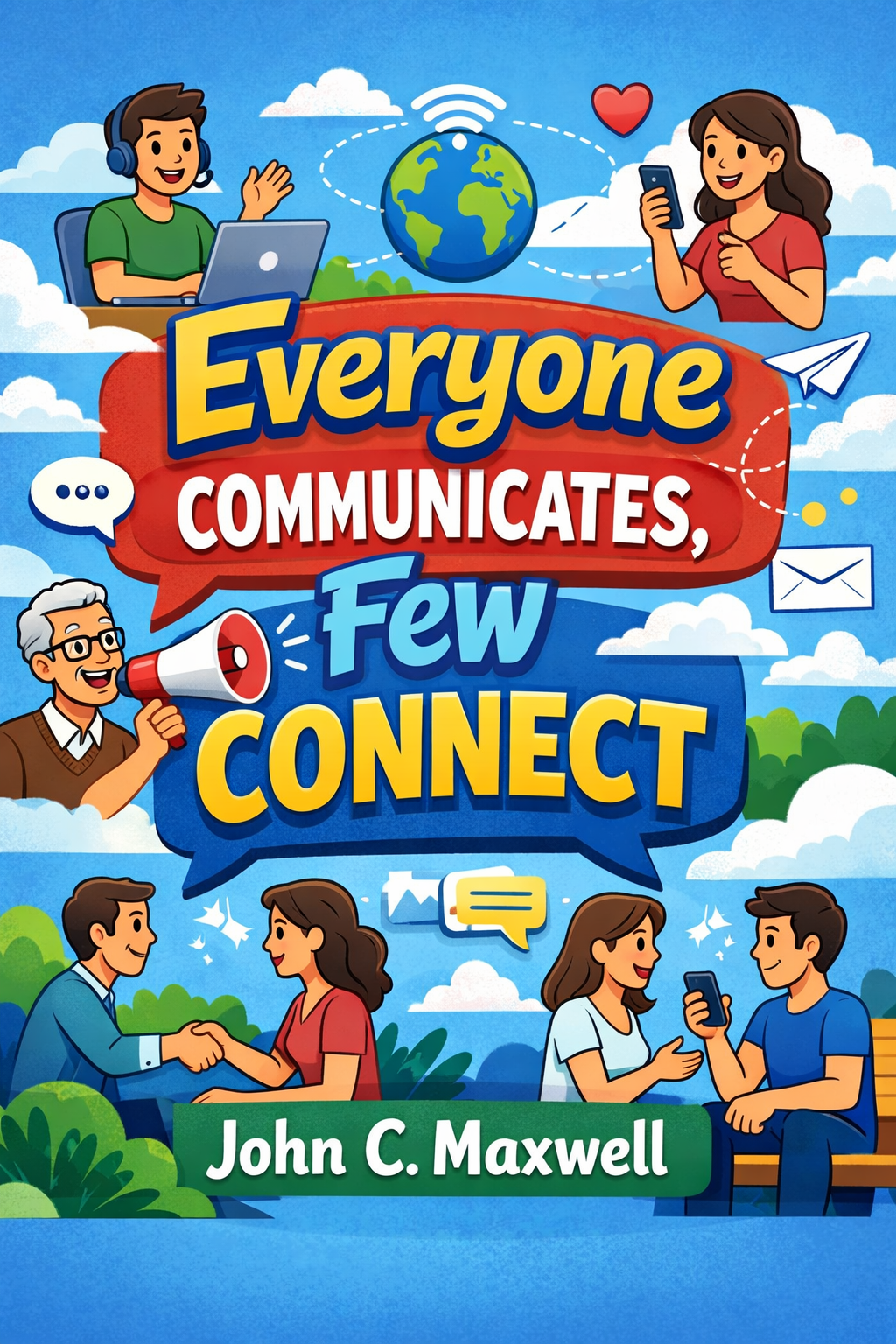
Many people believe communication is about clearly transmitting information, but this is only a fraction of the story. The real power lies in connection—the ability to relate to others in a way that forges emotional bonds and significantly increases your influence. While everyone exchanges words, only a select few manage to create this deeper link, which is the true engine behind richer relationships, effective leadership, and meaningful impact. The distinction is crucial: communication can be a one-way street, but connection is always a two-way journey that leaves both parties changed.
The journey to becoming a connector begins with self-awareness, particularly regarding your natural communication style. People generally gravitate toward one of four approaches. Relaters prioritize harmony and personal stories, building rapport through shared experiences but sometimes avoiding necessary conflict. Reactors lead with emotion and spontaneity, bringing passion to conversations but potentially overwhelming others with their intensity. Accommodators are the helpful diplomats, focused on meeting others’ needs, yet they risk neglecting their own in the process. Analyzers lead with logic and data, valuing precision but sometimes coming across as detached. Recognizing your own default style is the first step. It allows you to leverage your innate strengths while consciously compensating for your blind spots, and, more importantly, to recognize and adapt to the styles of others, creating a bridge where misunderstanding might otherwise reside.
The most critical skill for crossing that bridge is not eloquent speaking, but profound listening. This is the non-negotiable foundation of all connection. Yet, genuine listening is routinely sabotaged by internal barriers. We listen with a distracted mind, already formulating our next point. We listen through the filter of our own ego, turning another’s story into a prompt for our own. We listen with insecurity, more concerned with how we are perceived than with understanding the other person. And we listen with judgment, closing our minds before the other has even finished. Overcoming these habits requires a disciplined shift from self-focus to other-focus. It means practicing mindfulness in conversation, using eye contact and reflective statements to confirm understanding, and consciously valuing the person in front of you enough to quiet your own internal monologue. When people feel truly heard, they feel valued, and trust—the currency of connection—naturally accumulates.
With a listening mindset in place, the next step is to craft your message with your audience at the forefront. A powerful message is not about what you want to say, but what they need and are ready to hear. This demands empathy and preparation. Who are they? What are their hopes, challenges, and current level of knowledge? A message about financial planning will land differently with recent graduates than with retirees; the core principles may be similar, but the connection points must be tailored. Relevance is the hook that captures attention. Use language they understand, examples they relate to, and frame your points around their benefits. Brevity, clarity, and vivid storytelling are your tools to make the message not just understood, but remembered and felt.
Finally, even the most audience-aware message can fall flat without thoughtful delivery. Your physical and vocal presence is the vessel that carries your intent. In intimate settings, this means adopting open body language, subtle mirroring, and a conversational tone that invites dialogue rather than declares monologue. For larger audiences, it involves harnessing the energy of the room, using purposeful movement, and varying your vocal pace and volume to create emphasis and maintain engagement. The goal across all contexts is to be fully present, reading the room and adjusting in real time. Are people leaning in or glancing at the door? Your delivery must be fluid, not a rigid performance. Ultimately, connecting is about energy transfer—it’s ensuring that your care for the subject and respect for the audience is felt, not just heard.
Mastering connection is not a single technique but a holistic practice that integrates self-awareness, selfless listening, audience-centric preparation, and authentic delivery. It transforms communication from a transactional exchange of data into a transformational experience of shared understanding. By making these principles a daily habit, you move from being someone who is simply heard to someone who is truly understood, thereby unlocking a greater capacity to lead, inspire, and build lasting relationships in every area of life.