Description
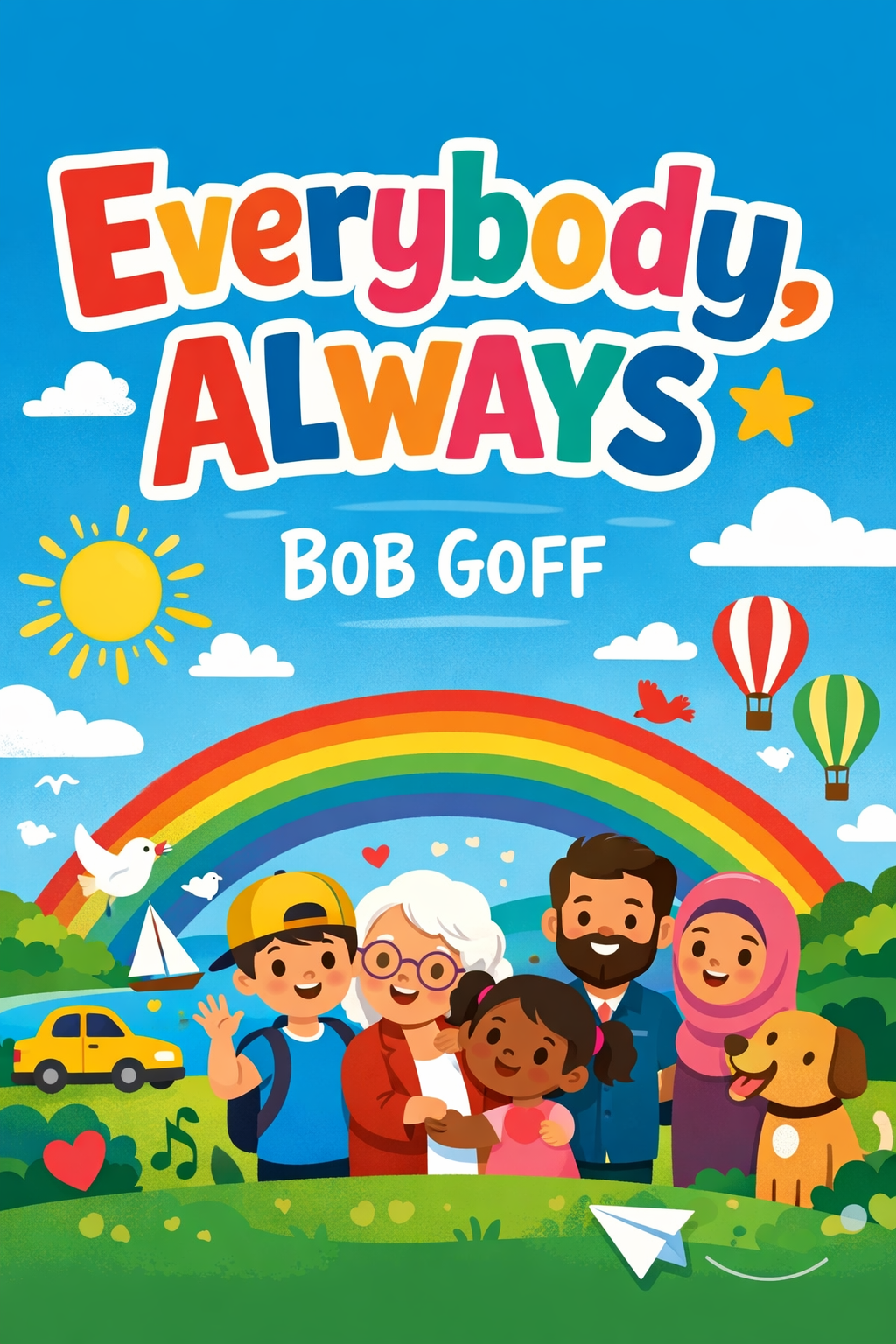
This book is a guide to putting one of a spiritual life’s biggest ideas into practice: learning to love everybody, always. This message is at the heart of Jesus’s teachings, but it is not easy. Loving people, especially difficult people, is a skill that must be learned and practiced. It takes time, patience, and a new way of seeing the world. This book is a collection of personal stories and lessons that show how to move from just believing in love to actively doing it every day.
The first step is to understand who we are supposed to love. The answer is simple: everyone. This includes not only our friends and family but also strangers, people we disagree with, and even our enemies. Many people build “castles” in their lives, with high walls and a drawbridge to keep others out. The goal, however, is to build a “kingdom,” which has open gates and welcomes everyone in. This means seeing the whole world as one single neighborhood. When we break down the walls we build between “us” and “them,” we can begin to treat every single person we meet with a spirit of welcome and inclusion.
Of course, this kind of love requires great courage. It is not our natural instinct. That courage comes from faith. Trusting in a higher purpose gives you the strength to do things that seem impossible. It is like a blind athlete who must put his full trust in the sound of his guide’s voice to know when to make his jump. Life often does not give us all the answers we want. We might feel like a pilot flying a plane, unsure if the landing gear is working. Faith is the choice to trust and land the plane anyway. This trust gives us the power to overcome amazing difficulties. The book shares the story of a man who was paralyzed from the neck down. Instead of giving up, he used his faith to find a new purpose, using only his voice to fight for justice for others.
The author shares several practical lessons for loving people, learned from an unlikely place: skydiving. The first lesson is that when loving a difficult person feels overwhelming, just try to love them for 30 seconds. You do not have to be perfect forever, but you can choose to be loving for just a short moment. That is a powerful start. The second lesson is to “cut the parachute” if even one string is out of place. This means that if your faith is not working—if you find you cannot love everyone—you must let go of your old, broken way of thinking and start fresh with a new, stronger commitment. Finally, the third lesson is to “catch people on the bounce.” When someone experiences a tragedy, they hit the ground hard. But it is often the second impact, the “bounce,” when they feel lost and alone, that does the most damage. Our job is to be there to catch them with love and support right when they need it most.
A simple way to understand this love is through the lens of family. God loves us as a parent loves a child. The author notes that nothing makes him happier than when someone is kind to his own children. In the same way, when we are kind and loving to other people—who are all God’s children—we bring joy to God. This also teaches us how to be better guides for others. Instead of just giving people a list of rules, we should help them by telling them who they are becoming. God did not just give Moses rules; He told Moses he was a leader. When we see the potential in people and name it, we empower them to grow into the best version of themselves.
It is also vital to remember why we are doing good. It is not a competition. Many people treat good deeds as if they are collecting “brownie points,” hoping to win a prize from God. This book warns that this kind of scorekeeping is pointless. We already have the greatest prize, which is God’s love. True love is selfless. It is not about getting credit or recognition for our actions. Sometimes, you will help someone, and they will never thank you or even speak to you again. That must be okay. Our role is not to be the star of the show. Our role is to be a supporting actor in someone else’s story. Love is its own reward.
Ultimately, faith is not about what we say; it is about what we do. It is easy to “pose” as a good person, but our actions always reveal the truth. We cannot just say we are patient; we must be patient. The author tells of an airport worker who deals with angry, stressed travelers all day long. Instead of getting frustrated, the worker treats every single person with dignity and kindness. He does not talk about love; he does it. If we truly want to change and become more loving, we must live it out. We must walk the walk, not just talk the talk.
The most powerful form of love is forgiveness, especially for those who seem unforgivable. The author shares a powerful story of his work in Uganda, where he helped bring a witch doctor to justice for terrible crimes against children. This man was the very definition of an enemy. But later, the author did the unthinkable: he visited the man in prison and chose to forgive him. This shocking act of love, repeated over time, completely changed the man. The former witch doctor eventually embraced the message of love himself and began preaching it to other prisoners. This story shows the true power of loving everybody, always. Forgiveness can break cycles of hate and create positive change in the most hopeless situations. When we have the faith and courage to love and forgive even our worst enemies, we can truly change the world.