Description
The journey begins with a fundamental, often painful, realization: doing everything right in marketing often leads nowhere. This was the stark reality for Steve Sheinkopf of Yale Appliance, a century-old business struggling to adapt. Despite effort, online traction was flat, and the future seemed bleak. A pivotal conversation revealed the core issue: he was talking about what he wanted to sell, not providing what customers needed to know. This sparked a relentless commitment to transparency—answering every tough question, publishing what competitors feared to say, and transforming a local retailer into a trusted national brand. This story underscores a powerful truth: in a skeptical world, trust is the ultimate engine for growth, not mere traffic or attention.
Traditional tactics are failing because buyer behavior has fundamentally shifted. People are wary of hype, make decisions long before contacting a company, and have been disappointed too often. The old playbook of generating leads through attention-grabbing alone is obsolete. The critical mistake businesses make is avoiding the very questions buyers care about most—a practice of hiding that leaves a vacuum of trust. To break through, a new mindset is required, built on four foundational shifts. First, you must say what others won’t, directly addressing the difficult queries buyers are already searching for. Second, show what others hide, offering an unobstructed view into your process, pricing, and performance. Third, sell in a way that prioritizes the buyer’s journey, emphasizing speed, clarity, and empowerment. Fourth, connect on a human level, allowing your team’s authentic personality to shine, because people trust people, not faceless brands.
The first pillar, saying what others won’t, is exemplified by a swimming pool company that, facing collapse, published a blog post honestly addressing the question, “What does a fiberglass pool cost?” By explaining the variables and setting realistic expectations, they didn’t just provide information—they built immense trust, generating over million in revenue from that single act of transparency. The key is to focus content on the “Big 5” questions real buyers obsess over: price and value, potential problems, comparisons with alternatives, reviews, and best-in-class options. Creating content for casual browsers is a waste; aim instead for those ready to purchase, using tools to uncover their deepest concerns and starting always with the topic of cost.
Transparency in words must be matched by transparency in action, which leads to the second pillar: showing what others won’t. Buyers crave proof and a behind-the-scenes look. Video becomes an indispensable tool here, capable of building trust in a way text cannot. A framework of seven essential video types—from price explanations and FAQs to customer stories and team introductions—can dramatically shorten sales cycles. This approach requires thinking like a media company, where platforms like YouTube become a primary channel for education and connection. With modern tools simplifying production, the barrier to showing your authentic self and process has never been lower.
The third pillar challenges conventional sales wisdom: sell how others aren’t willing to sell. The story of a boat manufacturer that embraced a build-and-price tool on its website, much to the skepticism of its peers, illustrates the power of buyer empowerment. When customers feel in control of their research and configuration, trust deepens. Self-service tools, from calculators to self-assessments, allow buyers to progress on their own terms, arriving at sales conversations informed and ready. Furthermore, preparing prospects by having them review key content before a call transforms the dialogue from a basic pitch to a focused decision-making session, significantly increasing close rates. A structured, buyer-centric sales process is essential to support this transparent journey.
Finally, genuine growth is fueled by the fourth pillar: be more human than others are willing to be. In a digital landscape saturated with automation, authenticity stands out. Buyers connect with faces, voices, and stories. When a salesperson becomes a recognizable, trusted presence through video, customers seek them out personally. This connection isn’t about celebrity; it’s about visibility and consistency. Using one’s own voice in communication, responding with personalized video messages, and framing your message around the customer’s story—their desires, challenges, and path to success—forges a powerful, memorable bond. Trust is cemented when you stop hiding behind corporate veneers.
However, adopting these pillars as one-off tactics is insufficient. Lasting success requires embedding them into the very fabric of your organization, making proactive disruption your default mode. Complacency is the silent killer of growth; past success can blind companies to changing buyer expectations. To prevent this, the pillars must be supported by five core components that create a sustainable system. You need the right content—clear, comprehensive answers to the Big 5. You need the right website—a dynamic, self-service educational hub, not a static brochure. You need the right sales activities—processes centered on teaching and reducing friction. You need the right technology—tools that enable speed and personalization at every touchpoint. And, crucially, you need the right culture—a performance-driven environment where transparency is expected, trust is measured, and the customer is always at the center.
This system transforms trust from a vague ideal into a tangible, operational asset. It is a living practice, not a temporary campaign. By consistently saying and showing what others avoid, by selling in an empowering way, and by connecting with authentic humanity, you build a business that buyers actively seek out and believe in. The result is not just survival, but a thriving enterprise with a loyal, ever-growing community of customers—a business built for the long term on the unshakable foundation of earned trust.
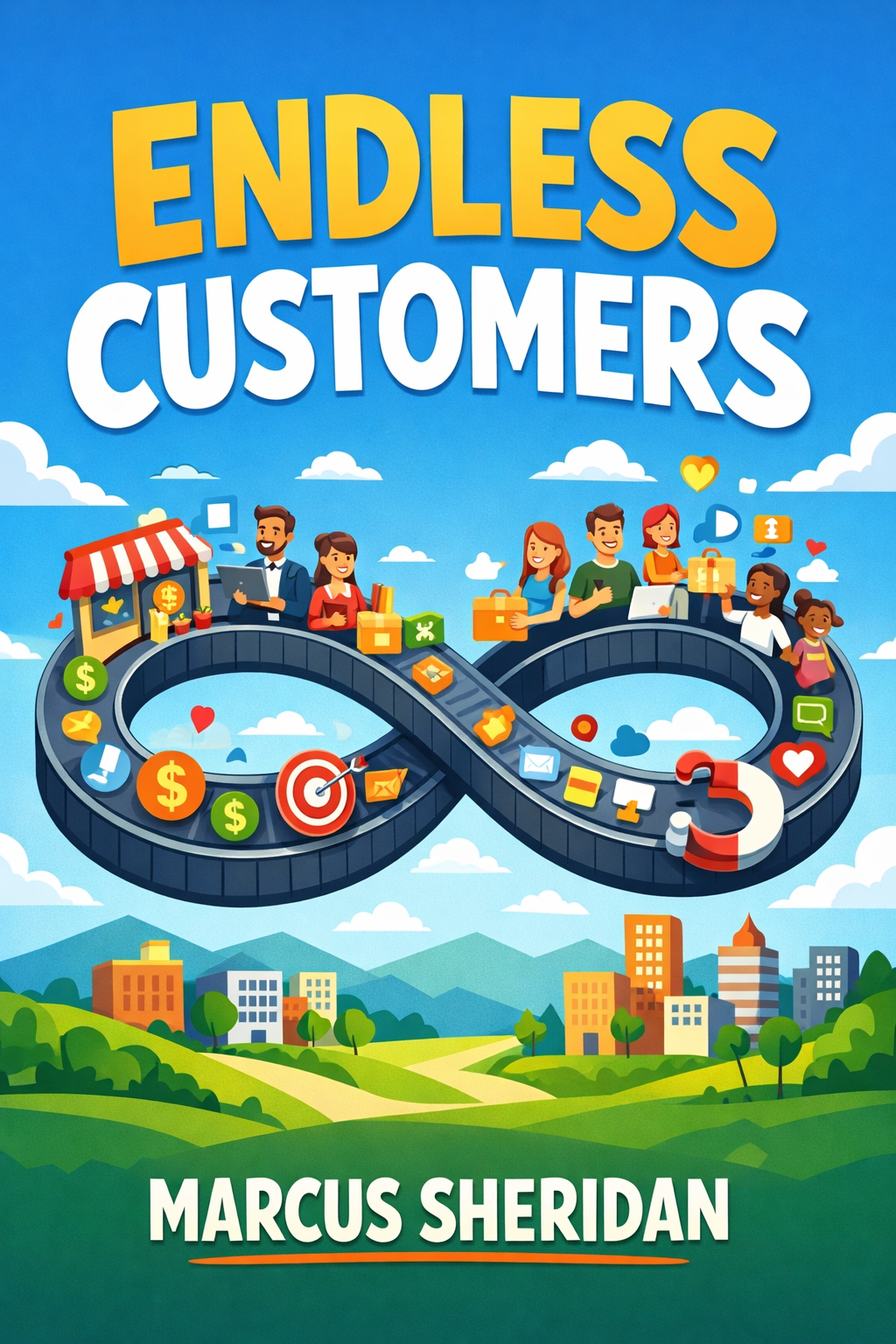
Book Title: Endless Customers