Description
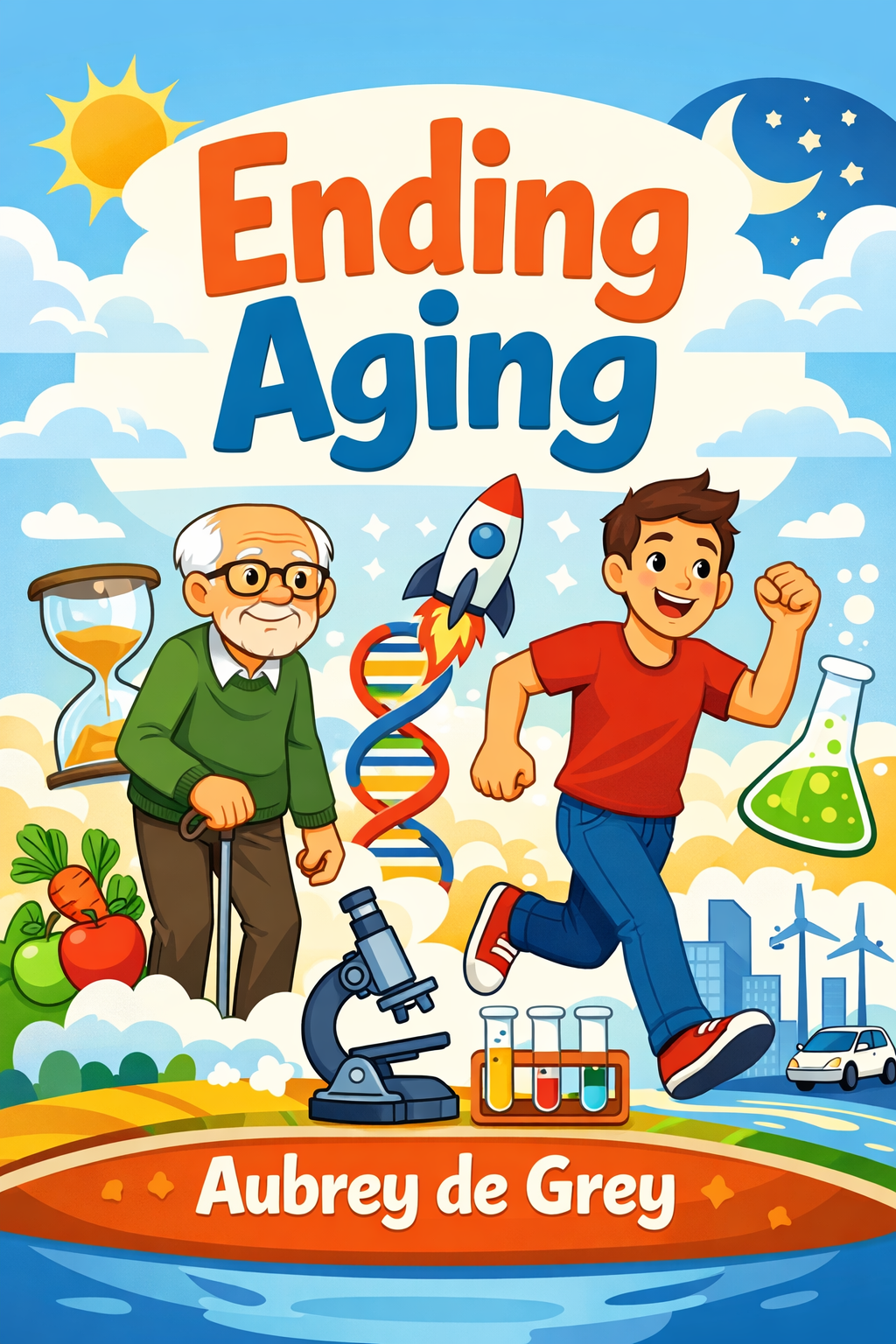
The book presents a radical yet scientifically-grounded thesis: aging is not an inevitable fact of life, but a physical process of accumulating damage that can be understood, treated, and ultimately prevented. It challenges the widespread acceptance of aging as an unsolvable problem, arguing instead that it should be approached with the same rigor as any other medical condition. The core idea is that while preventing the myriad causes of aging is overwhelmingly complex, repairing the damage they cause is a more feasible and powerful strategy. This shift in perspective—from prevention to maintenance and repair—forms the foundation of a detailed plan to combat the biological decline we call growing old.
The proposed strategy focuses on seven major categories of cellular and molecular damage that accumulate throughout life. The first is mitochondrial mutations. Mitochondria, the power plants of our cells, produce energy but also generate harmful free radicals as a byproduct. These unstable molecules steal electrons from nearby structures, causing chain reactions that mutate mitochondrial DNA. This damage impairs energy production and contributes to aging. A potential solution lies in a form of gene therapy called allotopic expression, which would create backup copies of critical mitochondrial genes within the safer, more protected cell nucleus, shielding them from free radical assault.
Another key problem is the accumulation of cellular “junk” both inside and outside cells. Inside, waste products like lipofuscin build up in the recycling centers of cells, called lysosomes, which eventually become clogged and dysfunctional. Interestingly, the book notes that soil microbes efficiently break down this material in the environment, suggesting a future therapy could involve engineering similar cleanup mechanisms within our bodies. Outside cells, damaged proteins clump together into harmful aggregates called amyloids, which are implicated in diseases like Alzheimer’s. The author suggests that boosting the immune system’s slow natural clearance of these aggregates, potentially through vaccination, could prevent this external junk from accelerating brain aging.
The book also addresses the dual issues of cell loss and cancerous cell overgrowth. As we age, essential cells die and are not replaced, leading to the weakening of tissues and organs. Stem cell therapy, particularly using versatile embryonic stem cells, could regenerate these lost cells, though the approach faces significant ethical and political hurdles. Conversely, cancer arises from DNA mutations that cause cells to divide uncontrollably. A proposed defense involves targeting the telomerase gene, which cancer cells use to become immortal. By selectively removing this gene’s ability to renew cancer cells, we could force them to hit a natural division limit and die, while using stem cell therapies to periodically replenish healthy tissues.
Further contributors to aging include advanced glycation endproducts (AGEs) and so-called “zombie cells.” AGEs are stiff, cross-linked proteins that form when sugars bind to proteins, much like the browning of meat in an oven. These accumulate in tissues like skin and arteries, causing loss of elasticity and function. The book proposes developing drugs or enzymes to break these cross-links and restore flexibility. “Zombie cells,” or senescent cells, are cells that have stopped dividing but refuse to die, secreting harmful chemicals that damage surrounding tissue. The solution here is to identify drugs that can safely trigger the elimination of these dysfunctional cells, clearing out this toxic biological debris.
The final argument is that while individual solutions to each type of damage are in various stages of research, the combined, comprehensive application of these therapies constitutes a viable plan for “engineered negligible senescence.” This would not mean immortality, but a state where aging is so drastically slowed that periodic repair treatments could maintain a youthful physiology indefinitely. The book acknowledges the monumental scientific and financial challenges but frames the goal as an ambitious yet achievable medical imperative. It concludes that the greatest obstacle may not be biology itself, but overcoming societal skepticism and mobilizing the resources needed to transform the future of human health and longevity.