Description
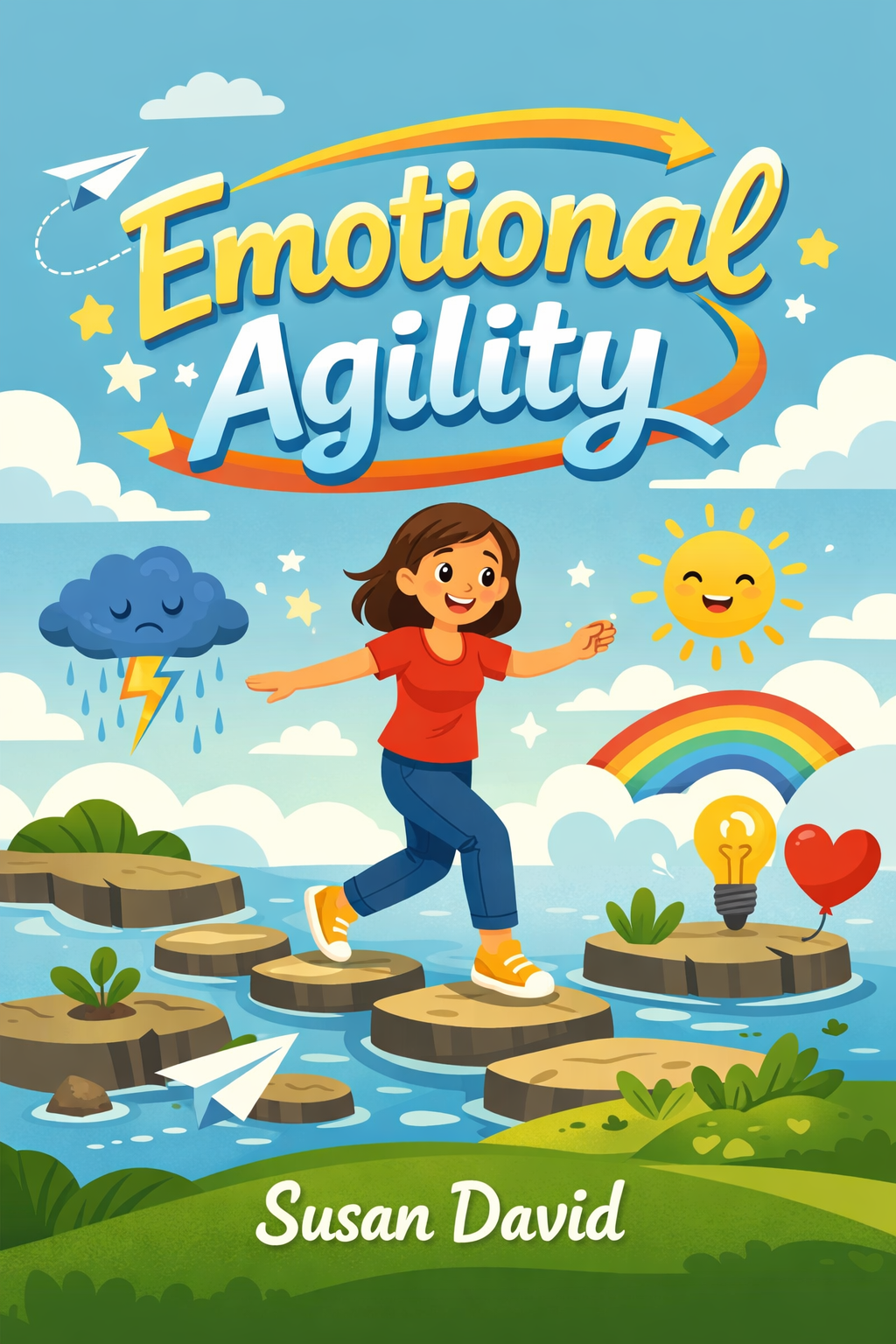
Life often feels like a constant stream of thoughts, doubts, and emotions. Our inner voice is quick to criticize and create stories that make us feel small, weak, or unworthy. It tells us we are not good enough, not strong enough, or not capable enough. Most people live with these voices daily, but the real problem is not that we have them—it’s that we believe them too easily. Emotional agility is about loosening the grip of those thoughts, learning to step back from them, and choosing how we want to respond.
Our minds are natural storytellers. From the moment we wake up to the moment we fall asleep, the brain is busy turning experiences into stories. Sometimes those stories are helpful, but often they are distorted. A child of divorced parents might believe they caused the separation. A shy child might grow up thinking they will never be loved because they are different. These distortions become part of our identity, and they shape our emotions in painful ways. The trouble is, these stories are rarely true, yet they guide how we act and react. Emotional agility begins when we notice these distortions and remind ourselves that our thoughts are not always reality.
Many people try to escape painful feelings by forcing themselves to be positive. They smile through heartbreak, pretend everything is fine, and hope that positive thinking will erase the discomfort. But pretending only deepens the problem. Real research shows that people who face emotions honestly live happier and healthier lives than those who fake optimism. Negative emotions, when acknowledged, can actually be helpful. For example, anger might be a sign that someone’s boundaries are being crossed, or sadness might point to something deeply valued. When we deny these emotions, we lose the chance to learn from them. Facing them with honesty opens the door to growth.
The first step in emotional agility is showing up for your emotions. This means stopping the habit of running away or fighting them. Instead, it asks for compassion toward yourself. Imagine your younger self—perhaps struggling, confused, or lonely. You would likely feel kindness toward that child. In the same way, the adult you are today deserves that same compassion. Studies show that people who treat themselves with kindness instead of harsh judgment bounce back from difficulties faster. Self-compassion allows you to recognize flaws without being crushed by them, and to learn from emotions instead of drowning in them.
Still, even with compassion, emotions can feel overwhelming. This is where the practice of stepping out comes in. Stepping out means creating space between yourself and the swirl of feelings. One simple way is through mindfulness, the skill of observing your thoughts and emotions without judgment. Instead of being trapped inside anger, for instance, you notice, “I am feeling angry right now.” That small shift creates room to respond calmly rather than react blindly. Science shows that mindfulness physically changes the brain, strengthening areas linked with memory, empathy, and balance. Over time, this practice makes it easier to recognize emotions without letting them control you.
Once we begin to manage emotions with honesty and mindfulness, the next step is to ask what really matters to us. Too often, people follow a script handed down by society—chasing wealth, status, or hobbies that don’t bring real joy. This is called social contagion: copying what others do without checking if it fits our true values. Many people reach success but still feel empty, because they never asked what success means for them personally. Emotional agility invites us to pause and decide for ourselves. Writing a letter to your future self, for example, can help clarify what matters most and guide today’s choices.
Emotional agility is also about connection. Relationships thrive when we are emotionally present and responsive. Research shows that small acts—like noticing and engaging when a partner points out something beautiful—can predict long-term happiness. Couples who ignored or dismissed each other’s bids for attention were far more likely to separate later. The lesson is simple: emotional availability matters. By being open and responsive, we strengthen bonds with partners, friends, and family, which in turn helps us move forward with resilience.
Another part of agility is finding balance between comfort and challenge. When life becomes too predictable, it can feel dull. On the other hand, when challenges overwhelm us, we feel stressed and burnt out. The sweet spot lies at the edge of our potential—taking on new challenges that stretch us without breaking us. Learning a new skill, experimenting with a small project, or even paying closer attention to everyday routines can bring life back into focus. Growth comes not from running on autopilot, but from embracing small, meaningful challenges.
Without agility, people get stuck. They keep repeating patterns that don’t work, or they bury emotions until life feels unmanageable. One story describes a woman who hid in her closet during a work call, unable to balance her job and family life. The moment she admitted her struggle and voiced her needs to her boss, the situation changed. Instead of being trapped, she created space for honesty, balance, and respect. That is the power of emotional agility—it helps us recognize when we’re stuck and gives us the courage to step free.
In the end, emotional agility is not about eliminating negative emotions or becoming perfectly calm all the time. It is about learning to face emotions with openness, compassion, and curiosity. It is about noticing distorted thoughts without letting them define us. It is about creating space to act according to our values, not our fears. And it is about connecting more deeply with others by being emotionally present.
When we learn these skills, life becomes more flexible. We stop fighting ourselves and start engaging with the world as it is. We discover that emotions, even the difficult ones, are not enemies but guides. They point us toward what matters, warn us when something is wrong, and invite us to grow. Emotional agility does not promise a life without hardship, but it offers a way to meet hardship with strength and clarity. With it, we can live more freely, more truthfully, and more meaningfully.