Description
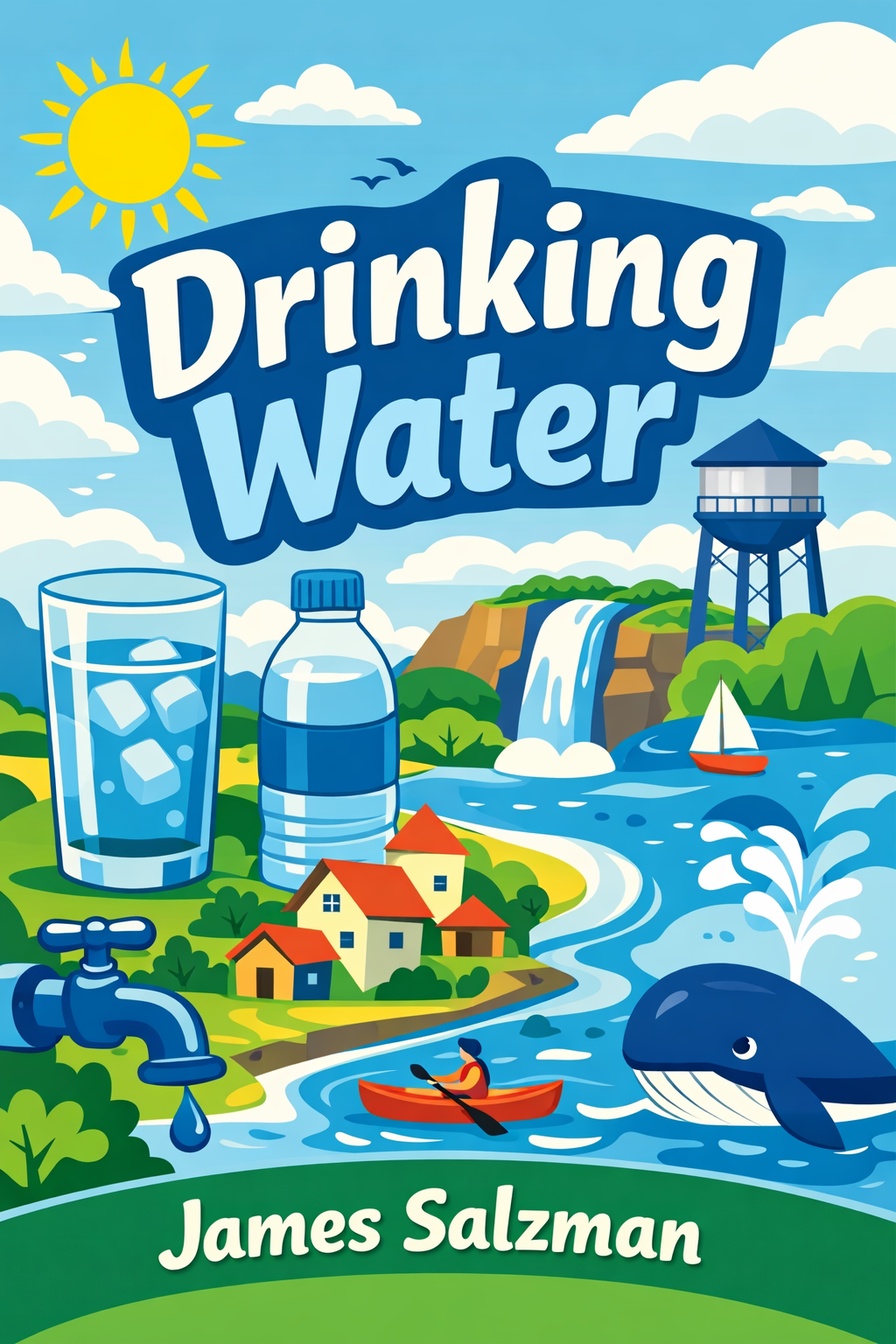
Water is the most ordinary yet extraordinary substance in our lives. We consume it daily without a second thought, yet its journey to our taps is a saga of human ingenuity, profound misunderstanding, and ongoing global struggle. For much of history, clear water was not the beverage of choice. From Roman patricians to medieval Europeans and early American settlers, water was often viewed with suspicion, a drink for the poor, while wine, beer, and other fermented beverages were preferred. Paradoxically, alongside this disdain flowed a deep mystical reverence. Cultures worldwide told tales of enchanted springs and life-giving waters, from the Fountain of Youth sought by explorers to the sacred well at Lourdes, highlighting water’s enduring symbolic power as a source of purity and transformation.
The practical mastery of water began with the Romans, who engineered it into a tool of both civic life and political control. Their monumental aqueducts, some stretching over fifty miles, were marvels of engineering that delivered fresh water into the heart of the city. While public fountains provided free water to the masses, private connections required a tax, creating an early class divide in access. Emperor Augustus famously politicized this resource, dramatically increasing the number of public fountains and adorning them with his name, using water as a tangible symbol of imperial benevolence and power. This systematic approach stood in stark contrast to the chaotic and dangerous water situations in later cities.
For centuries, the deadly link between contaminated water and disease remained hidden. Cities like New York and London in the 18th and 19th centuries were nightmares of pollution, where water sources were fouled by industrial waste and sewage. Epidemics of cholera and yellow fever raged, mistakenly blamed on “bad air.” The breakthrough came in the mid-1800s through the meticulous work of individuals like London physician John Snow. By mapping cholera cases during an 1854 outbreak, he pinpointed a single contaminated water pump on Broad Street, providing the first hard evidence that disease could be waterborne. This revelation sparked a public health revolution, leading to the construction of sewer systems and water treatment facilities that doubled life expectancies.
Securing a clean water source is itself a monumental challenge. New York City’s history is a testament to this relentless quest. It moved from a foul local pond to a river 45 miles away, and finally to vast reservoirs in the Catskill Mountains over 100 miles distant. London faced a similar crisis with the notoriously polluted Thames River, which culminated in the “Great Stink” of 1858—a smell so overpowering it halted Parliament. These crises forced the realization that protecting a water source at its origin is the first, critical step in providing safe drinking water.
Finding water is only half the battle; treating it effectively is a constant and evolving struggle. Natural water sources are rarely pristine, historically contaminated by animal waste and bacteria. Today, the contaminants are more complex and insidious: industrial chemicals, agricultural runoff, and pharmaceuticals. Endocrine disruptors—chemicals that interfere with hormonal systems—have been found in wildlife and waterways globally, often traceable to human activity. Treatment methods, like chlorination pioneered in early 20th-century Belgium, successfully combat traditional pathogens. However, modern chemical pollutants are harder to remove, requiring advanced and expensive filtration technologies that are not universally available.
Once treated, water must be distributed, and this network is perhaps the system’s most vulnerable point. In many developed nations, the pipes hidden beneath our streets are aging relics, prone to breaks and leaks that waste trillions of gallons annually and can allow new contamination. In the developing world, the lack of any robust distribution network means that even if water is treated at a central plant, it can become unsafe long before reaching a home. This infrastructure gap represents one of the most significant barriers to universal safe water access.
The late 20th century saw the rise of a powerful alternative: bottled water. Marketed as the pinnacle of purity, convenience, and health, it became a global phenomenon. However, this industry raises serious environmental concerns, from the energy cost of production and transportation to the mountains of plastic waste it generates. Furthermore, the source of this water is often the same public supplies it purports to replace, and regulations can be less stringent than those for tap water. The bottled water boom highlights a crisis of confidence in public systems and a shift toward viewing water as a private commodity rather than a shared public good.
This tension lies at the heart of a contemporary debate: is water a human right or a market commodity? Despite a 2010 United Nations resolution recognizing the human right to water and sanitation, millions still lack access. The struggle often pits communities against corporations and governments in conflicts over control of local water sources. The reality is that freshwater is a finite resource, and our current consumption habits—from agricultural use to personal waste—are unsustainable. The environmental and health costs of our water management are becoming increasingly clear.
Yet, there is reason for hope. Significant global effort is being directed toward securing water for the future. Innovations abound, from new desalination technologies and efficient drip irrigation to ancient rainwater harvesting techniques being revived. Communities are organizing to protect watersheds, and engineers are developing smarter, more resilient infrastructure. The story of drinking water is ultimately a story about ourselves—our past neglect, our present challenges, and our collective responsibility to steward this vital resource. By understanding its complex history and the systems that bring it to us, we can learn to value every drop and contribute to a future where clean, safe water is accessible to all.