Description
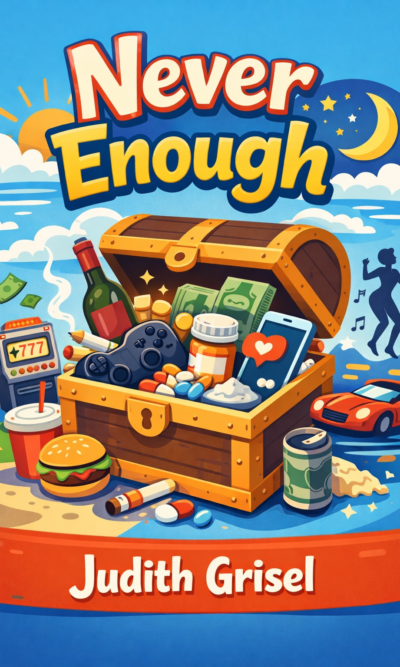
We inhabit a landscape of staggering abundance, where every desire—from food to entertainment, shopping to social validation—can be satisfied with a tap or a click. This unprecedented access has flooded our lives with dopamine, the brain’s key reward chemical. We increasingly use these quick hits to numb discomfort, boredom, and stress, effectively self-medicating with a vast menu of digital and chemical substances. The consequence is that we have all, to some degree, become pleasure addicts, compulsively consuming not just drugs or alcohol, but also social media, junk food, video games, and streaming content, often to our own detriment.
This compulsive cycle stems from a fundamental misunderstanding of how our brains work. Our nervous system operates on a delicate balance between pleasure and pain. These two states are processed in overlapping brain regions and exist in a push-pull equilibrium. Every pleasurable experience—a delicious meal, a thrilling notification, a drug-induced rush—tips the scales toward pleasure. In response, the brain automatically counteracts this shift to restore balance, but it often overshoots, tipping us into a state of subtle pain or craving. This is the comedown after the high, the restless need for “just one more.” With repeated exposure, we build tolerance through a process called neuroadaptation. The pleasure weakens, the subsequent pain intensifies, and we require more of the stimulus just to feel normal, eventually trapping ourselves in a dopamine deficit where we feel more pain and less pleasure from everyday life.
Our modern misery, then, paradoxically grows from our frantic efforts to avoid misery. We have become pain-averse, seeking to eliminate even minor discomfort with distractions and quick fixes. This leaves us perpetually unsettled, unable to sit with ourselves, and ironically more sensitive to emotional and psychological pain. The path out of this cycle begins not with seeking more pleasure, but with a period of deliberate abstinence. By removing a chosen compulsive behavior for a sustained period—a “dopamine fast”—we allow our overstimulated reward pathways to reset. This isn’t merely about willpower; it’s a neurological recalibration. Abstinence creates space for insight, revealing how our addictive behaviors were often causing the very problems we used them to solve, such as anxiety or insomnia.
Recovery involves more than just subtraction; it requires a conscious rebalancing of the pleasure-pain scales. Since our brains are wired to seek equilibrium, intentionally leaning into manageable, self-chosen forms of discomfort can ultimately lead to a more sustainable sense of well-being. Practices like cold exposure, rigorous exercise, or fasting introduce acute, controlled pain that, once endured, triggers a rebound effect of pleasure and resilience. This process strengthens our capacity to handle life’s inevitable hardships and reduces our dependency on artificial dopamine spikes.
Honesty is the bedrock of this entire journey. Addiction thrives in secrecy and shame. The simple, courageous act of speaking our truths—to ourselves, to trusted others, or in a supportive community—breaks the isolating power of compulsive behavior. It forces reality into the open and is often the first step toward liberation. Furthermore, a specific kind of shame, termed “prosocial shame,” can serve a healthy function. This is not the debilitating shame of self-loathing, but the uncomfortable feeling that arises when our actions harm our connections to others. This social emotion provides a crucial dose of humility, guiding us back toward behaviors that foster community and integrity, realigning our personal pleasures with our prosocial values.
Ultimately, navigating our dopamine-saturated world is about moving from a state of compulsive consumption to one of mindful balance. It is about recognizing that the relentless pursuit of pleasure leads to pain, and that the voluntary acceptance of some pain can lead to a deeper, more enduring pleasure. By resetting our brains through abstinence, rebalancing our lives with intentional discomfort, and grounding ourselves in honesty and social connection, we can step off the hamster wheel of overconsumption and reclaim a life of genuine contentment and agency.
Book Title: Dopamine Nation