Description
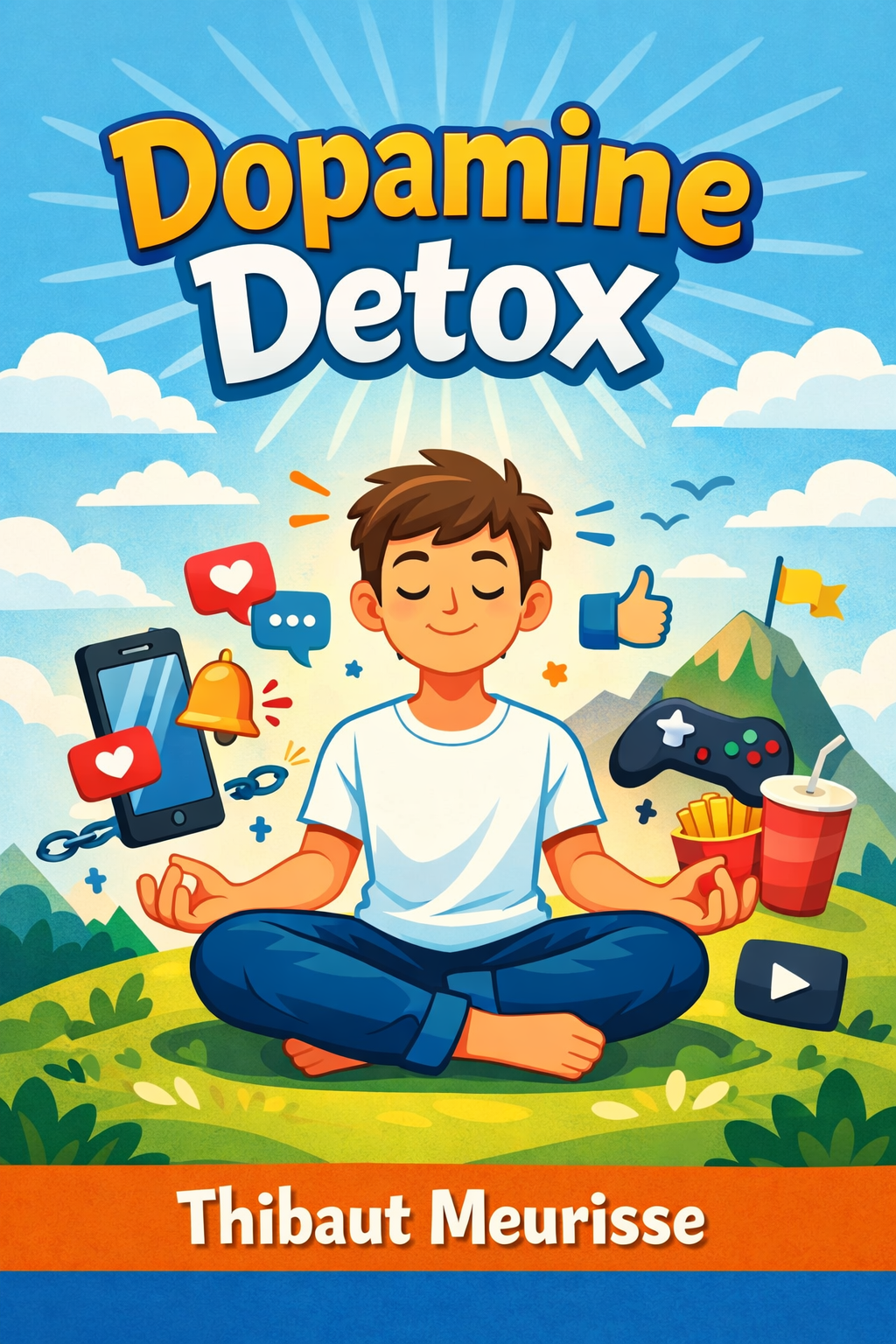
In a world saturated with instant gratification, our brains are constantly hijacked by a powerful neurochemical: dopamine. This book presents a compelling case for the modern necessity of a “dopamine detox,” a deliberate period of reducing hyper-stimulating activities to recalibrate our mind’s reward circuitry. The core argument is not about eliminating pleasure or productivity, but about breaking the cycle of dependency on digital hits, junk food, social media validation, and other easy stimuli that have rewired our expectations for constant, effortless reward. The author explains that this constant bombardment has dulled our sensitivity, making it harder to derive satisfaction from meaningful, long-term pursuits and leaving us in a state of anxious distraction.
The text delves into the neuroscience of dopamine in accessible terms, clarifying common misconceptions. Dopamine is not simply the “pleasure chemical” but rather the “motivation molecule” driving desire, anticipation, and seeking behavior. When this system is overused by artificial, high-intensity stimuli, it leads to a tolerance effect, similar to a drug. We need more and more stimulation to feel the same level of interest or motivation, leaving us lethargic and uninterested in the slower, more nuanced rewards of reading a book, having a deep conversation, or working on a challenging project. The detox process is framed as a strategic reset to lower this baseline, allowing natural, everyday achievements to once again feel rewarding and significant.
Practical implementation forms the heart of the guide. The author advocates for a tiered approach, rejecting the notion of an austere, absolute fast that is unsustainable. Instead, readers are guided to identify their personal “high-dopamine” activities—which might include compulsive phone checking, binge-watching, online shopping, or sugary snacks—and to design a personalized detox plan. This could range from a short, intensive “beginner” reset lasting a few hours to a more comprehensive weekly protocol. The emphasis is on conscious reduction and substitution, not punishment. For example, one might replace an evening of scrolling through social media with a walk in nature, journaling, or tackling a small, tangible household task.
A crucial section explores the void that appears when habitual distractions are removed. Initially, boredom and restlessness are not setbacks but the intended catalysts for change. This uncomfortable space is where the brain, deprived of its usual easy fixes, begins to reawaken to older, more intrinsic sources of motivation. Creativity, problem-solving, and self-reflection naturally begin to fill the vacuum. The book provides strategies to navigate this phase, such as structuring free time with low-stimulation hobbies, practicing mindfulness to observe cravings without acting on them, and reconnecting with physical sensations through exercise or manual tasks.
Beyond the initial reset, the philosophy extends to building a sustainable “dopamine-conscious” lifestyle. This involves designing an environment that supports focus rather than fractures it. Tactics include creating tech-free zones, batching notification checks, practicing delayed gratification for pleasures, and cultivating deep work sessions. The goal is to make high-dopamine activities a conscious choice rather than a default behavior, thereby restoring a sense of agency. The author argues that this control is fundamental to achieving long-term goals, as it rebuilds the patience and persistence required for meaningful accomplishment.
Ultimately, the book positions the dopamine detox not as a one-time cleanse but as an ongoing practice of mindful engagement with the world. It is a tool for reclaiming attention, the most valuable resource in the information age. By periodically stepping back from the frenzy of modern life, we can strengthen our mental resilience, find deeper satisfaction in our endeavors, and break free from the manipulative designs of apps and advertisements that thrive on our compulsive loops. The journey leads to a more intentional and fulfilling existence, where technology serves as a tool rather than a master, and where real-world experiences regain their richness and color.