
Description
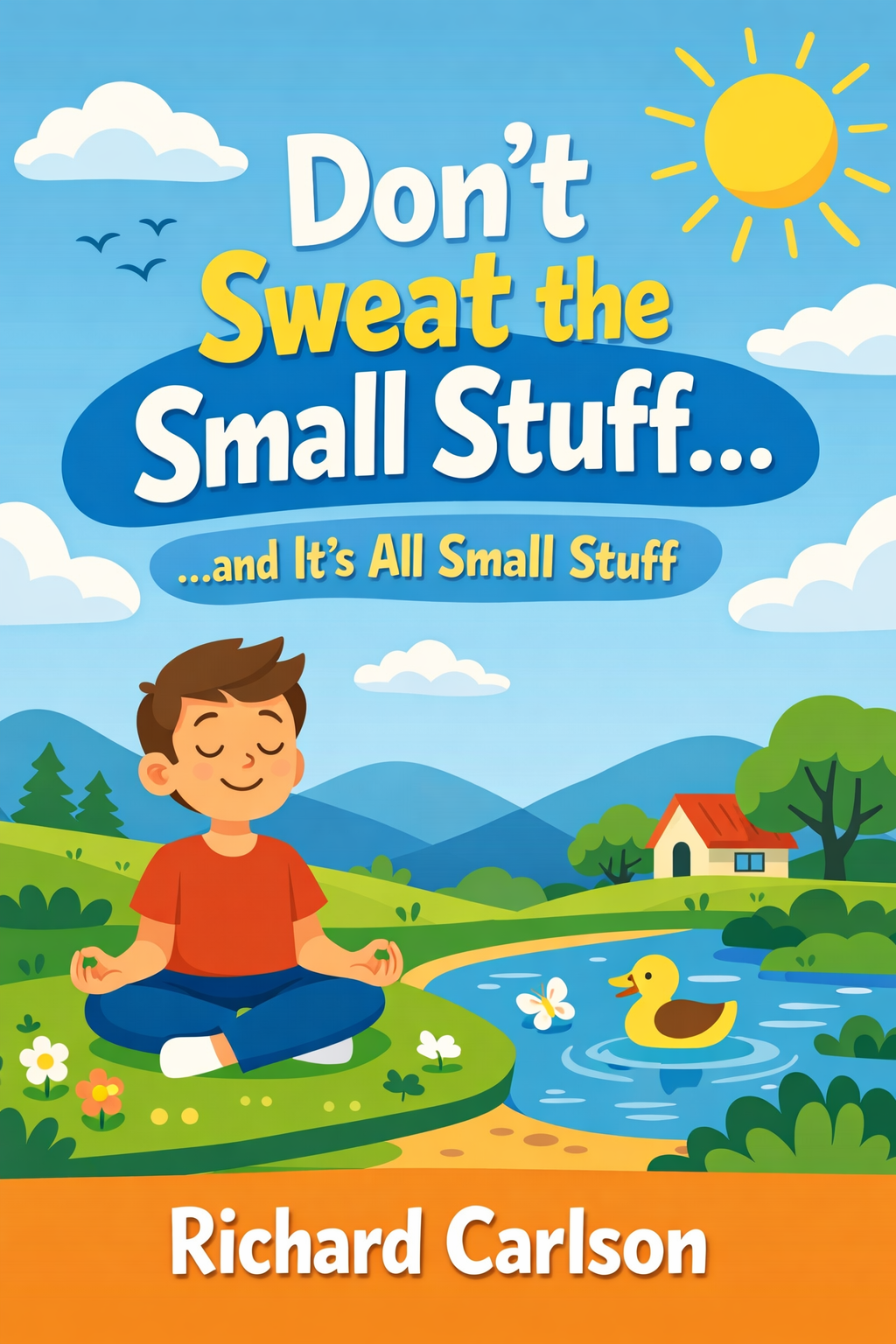
In a world that often feels overwhelmingly fast and demanding, Richard Carlson offers a gentle, powerful antidote. The core philosophy is disarmingly simple yet profoundly transformative: most of the things that cause us daily anxiety and frustration are, in the grand scheme of our lives, relatively insignificant. By learning to identify these minor irritations and consciously choose not to let them dominate our emotional landscape, we can reclaim a sense of peace and control. The book argues that we chronically blow small problems out of proportion, allowing them to drain our energy and cloud our enjoyment of life. The central, liberating idea is encapsulated in the title: when you step back, almost everything can be categorized as “small stuff,” and thus not worth the intense emotional toll we exact from ourselves.
The work is structured as a series of short, accessible essays, each presenting a distinct strategy for cultivating a calmer, more resilient mindset. Rather than demanding a complete life overhaul, Carlson suggests small, consistent adjustments in how we perceive and react to everyday events. One foundational practice is learning to live in the present moment. Much of our stress, he notes, stems from ruminating on past mistakes or worrying about future uncertainties. By consciously anchoring our attention to the here and now—the task at hand, the person in front of us, the simple sensation of breathing—we can escape the mental chatter that generates so much needless suffering. This present-moment awareness acts as a refuge from the storm of our own thoughts.
A significant portion of the advice focuses on our interactions with others. Carlson frequently encourages the reader to choose kindness and patience over the need to be right. He points out how much energy is wasted in arguments, in holding grudges, or in silently criticizing the behavior of those around us. Practices like allowing others to have the glory, listening without immediately planning your rebuttal, and forgiving minor transgressions are framed not as weaknesses but as powerful choices that free us from the prison of our own ego and resentment. The book suggests that when we stop expecting people to behave exactly as we wish, we open the door to more harmonious and less stressful relationships.
Another key theme is the surrender of the illusion of control. Many of us create stress by trying to forcefully manage every detail of our lives and the people in them. Carlson advises learning to differentiate between what we can influence and what we must simply allow to be. This involves accepting that traffic jams, long lines, and other people’s moods are often beyond our command. Fighting against these realities only leads to frustration, while accepting them with a degree of grace creates immediate relief. This acceptance is paired with the practice of trusting that life will unfold as it should, reducing the compulsion to constantly force outcomes.
The book also delves into the importance of nurturing one’s inner life. Carlson recommends creating quiet time for solitude and reflection, away from the noise and demands of the external world. This isn’t about laziness, but about necessary mental maintenance. During such time, we can reconnect with our own thoughts and feelings, gain perspective on our problems, and remember what truly matters to us. Similarly, he advocates for the regular practice of gratitude—consciously taking time to appreciate the many good things, both large and small, that already exist in our lives. This simple act shifts focus from what is lacking or annoying to what is abundant and supportive, fundamentally altering one’s emotional baseline.
Ultimately, Carlson’s message is one of gentle permission. He gives the reader permission to slow down, to not have all the answers, to be imperfect, and to prioritize inner peace over external validation. The strategies are not about achieving a state of permanent bliss, but about building a more shock-absorbent life. It’s about developing the wisdom to discern between a genuine crisis and a mere inconvenience, and responding accordingly. By integrating these small changes, the cumulative effect can be a life that feels significantly lighter, more manageable, and more joyful. The stress doesn’t necessarily disappear, but our relationship to it changes; we stop sweating the small stuff, and in doing so, we discover that so much of what we worried about truly was just that.