Description
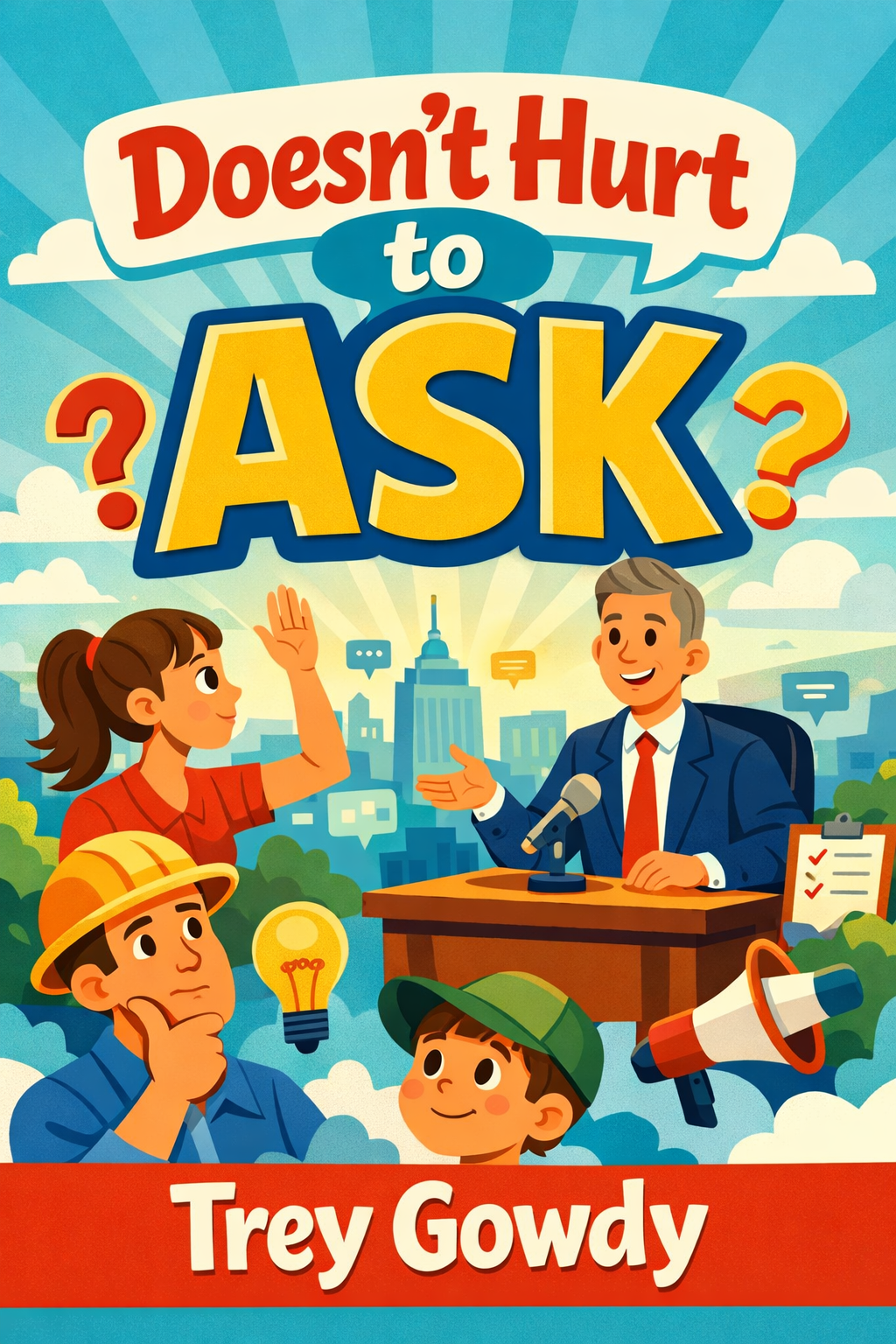
In a world saturated with declarative statements and unwavering opinions, the simple act of asking a question is often overlooked as a passive or uncertain gesture. This book presents a compelling counter-argument: that strategic inquiry is, in fact, the ultimate instrument of influence, connection, and understanding. It posits that the ability to ask well-crafted questions is not a sign of weakness, but a superpower that allows us to navigate complex human dynamics, bridge divides, and persuade others not through force, but through collaborative discovery. The core philosophy is that people are more likely to be moved by ideas they feel they have helped to unearth themselves, rather than those delivered as a finished monologue.
The journey toward mastering this art begins long before a question is ever voiced. It starts with the foundational work of building genuine rapport and establishing a context of shared humanity. Persuasion fails when it is attempted from a position of isolation; it thrives within a framework of mutual respect. This involves the often-neglected skill of listening not to reply, but to comprehend—absorbing not just the words of another person, but the values, fears, and hopes that underlie them. By demonstrating this level of engagement, you create psychological safety, a space where defensive walls lower and real dialogue becomes possible. This preparatory stage is about earning the right to be heard by first proving that you are capable of hearing.
With a foundation of rapport in place, the architecture of the question itself becomes paramount. Not all questions are created equal. The book distinguishes between different types, each serving a distinct purpose. Open-ended questions act as invitations, encouraging expansive thought and personal revelation (“What led you to that conclusion?”). Closed questions can be used strategically to confirm understanding or secure agreement on specific, incremental points (“So, we agree the deadline is the main pressure point?”). Perhaps most powerful are the funnel questions, which begin broadly and gently guide the conversation toward greater specificity and focus, making the other person a co-pilot in navigating toward a solution. The framing of a question—its tone, timing, and phrasing—can determine whether it is perceived as an attack, a distraction, or a generous opportunity for reflection.
The true test of this methodology comes in high-stakes, oppositional environments. Here, the instinct is often to fortify one’s own position and dismantle the other’s. This book advocates for the opposite approach: using questions to de-escalate and illuminate. By asking sincere questions about an opponent’s viewpoint, you accomplish several critical things. You force yourself to understand their position with nuance, which is the first step in finding common ground. You often reveal the underlying interests behind their stated positions, which may be more compatible than they initially appear. Furthermore, you model a respect that can disarm hostility and make the other person more receptive to your perspective in return. It transforms a debate into a joint problem-solving session, where the goal shifts from “winning” to “discovering the best answer.”
Ultimately, this is more than a tactical guide for salespeople or negotiators; it is a philosophy for meaningful human interaction. It argues that the questions we ask shape the relationships we build and the reality we perceive. By cultivating curiosity over certainty, we open doors to learning, foster deeper connections, and lead with humility. The book concludes that in an age of relentless self-expression, the disciplined, empathetic, and courageous practice of asking questions is the key to cutting through noise, building trust, and inspiring others to walk alongside you. The goal is not to have all the answers, but to become a curator of better conversations, where the right question at the right moment can change everything.