Description
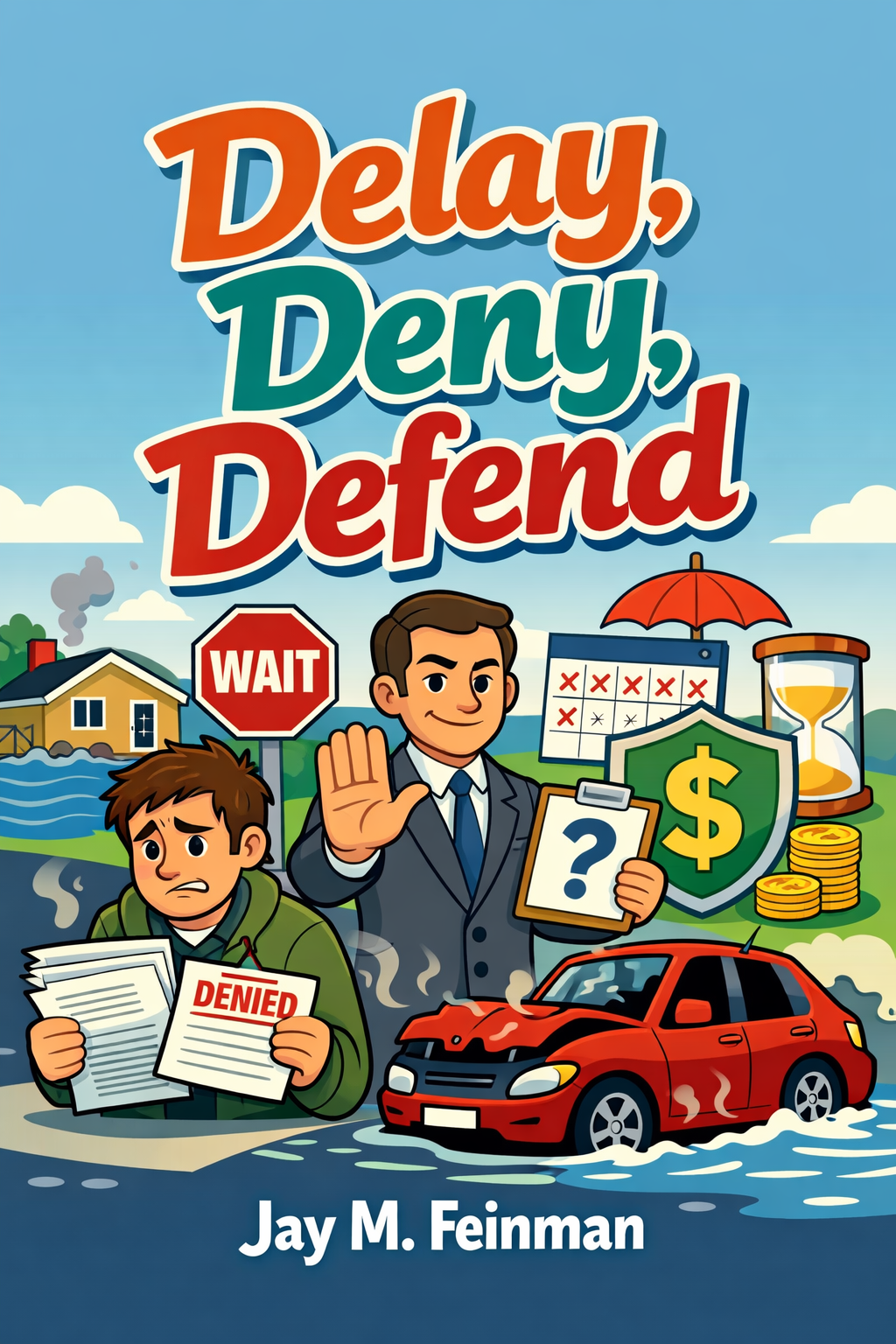
The book presents a damning exposé of the insurance industry’s internal strategy for handling claims, revealing a corporate culture designed to minimize payouts regardless of policyholder need or contractual obligation. At the heart of this system is a three-part doctrine: delay, deny, and defend. The process begins with intentional delays, where companies create bureaucratic labyrinths, demand excessive documentation, and employ constant rescheduling to wear down claimants. This calculated stalling relies on the understanding that many individuals, already facing crisis, will either give up in frustration or become financially desperate enough to accept lowball settlements.
When delay proves insufficient, companies move to outright denial. The narrative details how insurers routinely misinterpret policy language, cite obscure technicalities, and employ biased in-house medical reviews to justify rejecting valid claims. Adjusters are often rewarded through performance metrics that tie bonuses and promotions to keeping claim payments low, creating a fundamental conflict of interest. The book illustrates this with heartbreaking case studies of families facing catastrophic illness or disaster, only to find their safety net shredded by fine print and bad-faith interpretations. These are not isolated errors but rather the output of a system engineered to find reasons not to pay.
The final pillar, defend, activates when a policyholder dares to challenge a denial through legal action. Here, the immense financial asymmetry becomes starkly clear. Insurance corporations deploy teams of high-priced lawyers with virtually unlimited resources to outspend and outlast individuals in court. They engage in aggressive litigation tactics, knowing most people cannot sustain a prolonged legal battle. The strategy is to make the cost of justice prohibitively high, forcing settlements for pennies on the dollar or complete surrender. The book argues that the legal system itself often favors the insurer, with laws and precedents that can make proving bad faith exceptionally difficult for the average citizen.
Beyond the personal tragedies, the work examines the broader economic and social consequences of this institutionalized behavior. It erodes public trust in a system meant to provide security, turning a promise of protection into a source of anxiety and betrayal. The financial impact on individuals can be devastating, leading to bankruptcy, loss of homes, and forgone medical treatment. Societally, it shifts costs onto public assistance programs and creates a climate where people are afraid to use the insurance they have paid for, for fear of cancellation or premium hikes.
The investigation pulls back the curtain on the industry’s lobbying power, showing how it has shaped regulations and laws in its favor, limiting penalties for wrongful denial and capping damages. Former insurance executives and adjusters provide insider testimony, describing the pressure to meet “claims savings” targets and the moral compromises required by the job. The narrative makes a compelling case that what is often dismissed as frustrating paperwork or corporate red tape is, in reality, a deliberate and profitable business model.
Ultimately, the book is a call for awareness and reform. It empowers readers by demystifying the tactics they may face and offers practical advice on documenting claims, navigating the appeals process, and when to seek legal counsel. It advocates for stronger consumer protections, greater transparency in claims processing, and regulatory oversight that holds companies accountable for acting in good faith. The underlying message is that insurance should function as a shield against misfortune, not a weapon used against those it is meant to protect.