Description
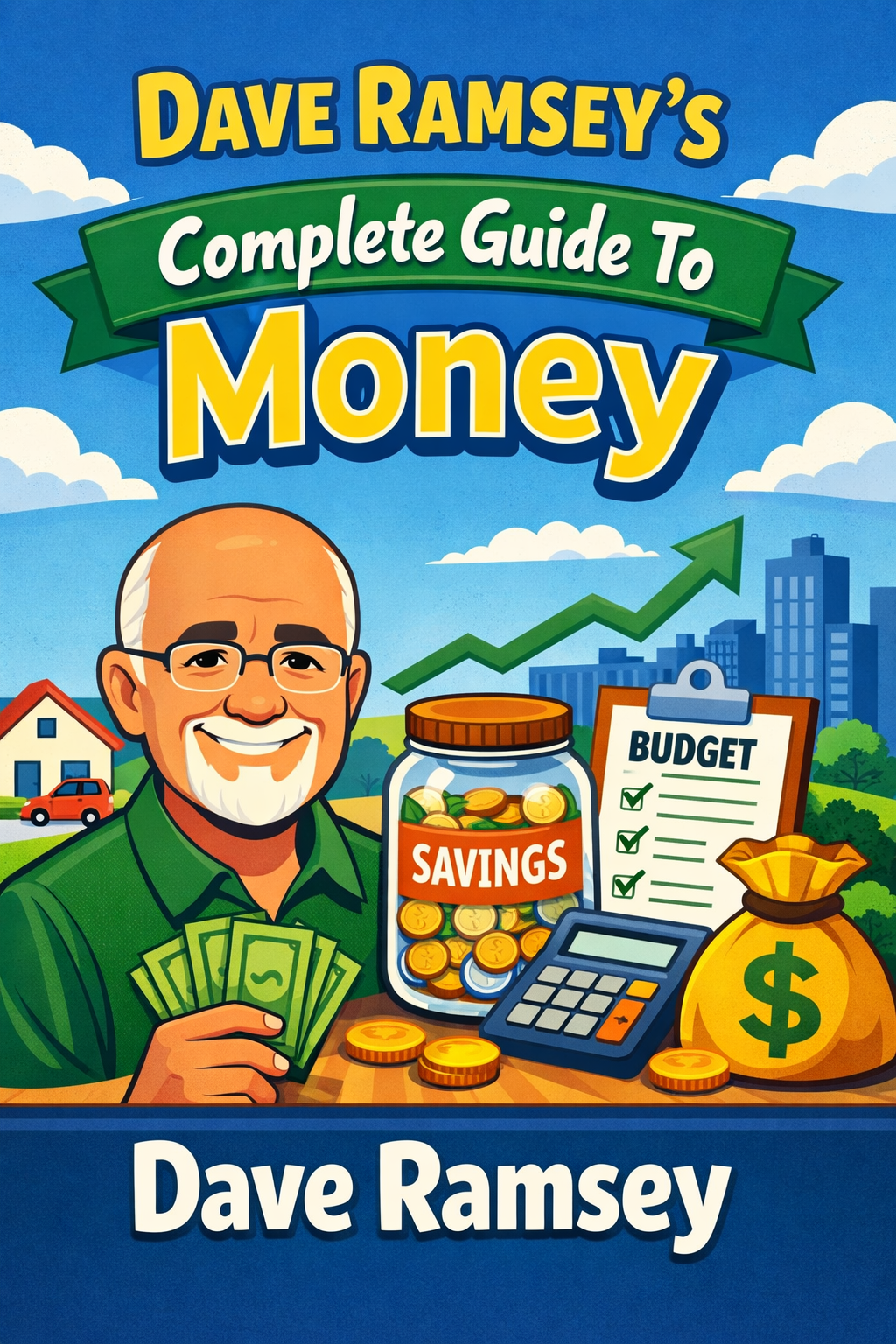
For many, money is a source of constant anxiety. Paychecks vanish, debt accumulates, and the future feels financially uncertain. This guide cuts through the confusion with a straightforward, actionable philosophy for taking control of your finances. It argues that true financial freedom isn’t about a high income, but about behavior—specifically, the disciplined management of what you already earn. The path is built on a series of foundational principles designed to transform your relationship with money from one of stress to one of empowerment.
The journey begins with the cornerstone of financial control: the monthly budget. This isn’t a vague suggestion but a specific, proactive plan for every dollar you earn. The recommended method is a zero-based budget, where you assign every penny of your income to a category—expenses, savings, or debt repayment—until you reach zero. This system forces clarity, eliminating the mystery of where money goes and curbing wasteful spending. For those with irregular incomes, a modified approach prioritizes essential costs first. To make spending tangible, the cash envelope system is advised for discretionary categories like groceries and entertainment, using physical cash to create a natural spending limit. The core message is that budgeting is not a restriction, but a tool for intentionality, reducing stress by ensuring all obligations are met.
With a budget in place, the focus shifts to building a financial safety net. The first and most critical goal is establishing a starter emergency fund of ,000. This small cushion prevents life’s inevitable surprises—a flat tire, a medical co-pay—from derailing your plan and forcing you back into debt. Once this base is secured, the aggressive pursuit of debt elimination begins. The recommended strategy is the “debt snowball,” where you list all non-mortgage debts from smallest to largest balance. You make minimum payments on all, but throw every extra dollar at the smallest debt until it’s gone. The psychological win of paying off an entire balance provides momentum to tackle the next one, creating a powerful snowball effect. The philosophy is clear: debt is not a tool but an emergency to be eradicated.
After becoming debt-free (except for a mortgage), you return to your emergency fund, building it to a robust three to six months of living expenses. This full emergency fund is your ultimate buffer against major life storms, like job loss or significant repairs. Now, you are finally ready to build wealth. The guide directs you to invest 15% of your household income into retirement accounts, with a strong preference for Roth IRAs and 401(k)s, particularly if an employer offers a matching contribution. The investment vehicle of choice is mutual funds, specifically recommending a diversified mix across four types: growth, growth and income, aggressive growth, and international. The advice is to seek funds with a long, consistent track record and to spread investments evenly across these categories for balance.
The later steps address other major financial milestones. For parents, funding children’s college education comes next, but only after your own retirement is being securely funded. The emphasis is on using education savings accounts and prepaid tuition plans, avoiding the temptation to sacrifice your financial future or take on student loans. Following this, any extra resources should go toward paying off your home mortgage early, achieving the ultimate status of being completely debt-free. The final, and perhaps most transformative, step is cultivating generosity. The guide posits that true financial peace allows you to live and give generously, using your wealth to make a positive impact on others and your community.
Throughout this process, protecting your growing wealth is paramount. The book stresses the importance of adequate insurance—not as an optional expense, but as a necessary shield. This includes health, disability, term life, auto, homeowners or renters, and eventually long-term care insurance. Each policy is explained in practical terms, with guidance on coverage amounts to ensure you are properly protected without being over-insured. The goal is to transfer life’s major financial risks away from your personal savings.
This entire philosophy is more than a set of tips; it’s a behavioral overhaul. It requires patience, discipline, and a rejection of the debt-driven culture. It champions consistency over get-rich-quick schemes, advocating for steady, monthly investments over decades to harness the power of compound growth. By following these steps in order, you systematically remove financial stressors, build security, and create a legacy. The promise is not just a healthier bank balance, but a life of reduced anxiety, greater purpose, and the freedom to make choices based on your values, not your bills.