Description
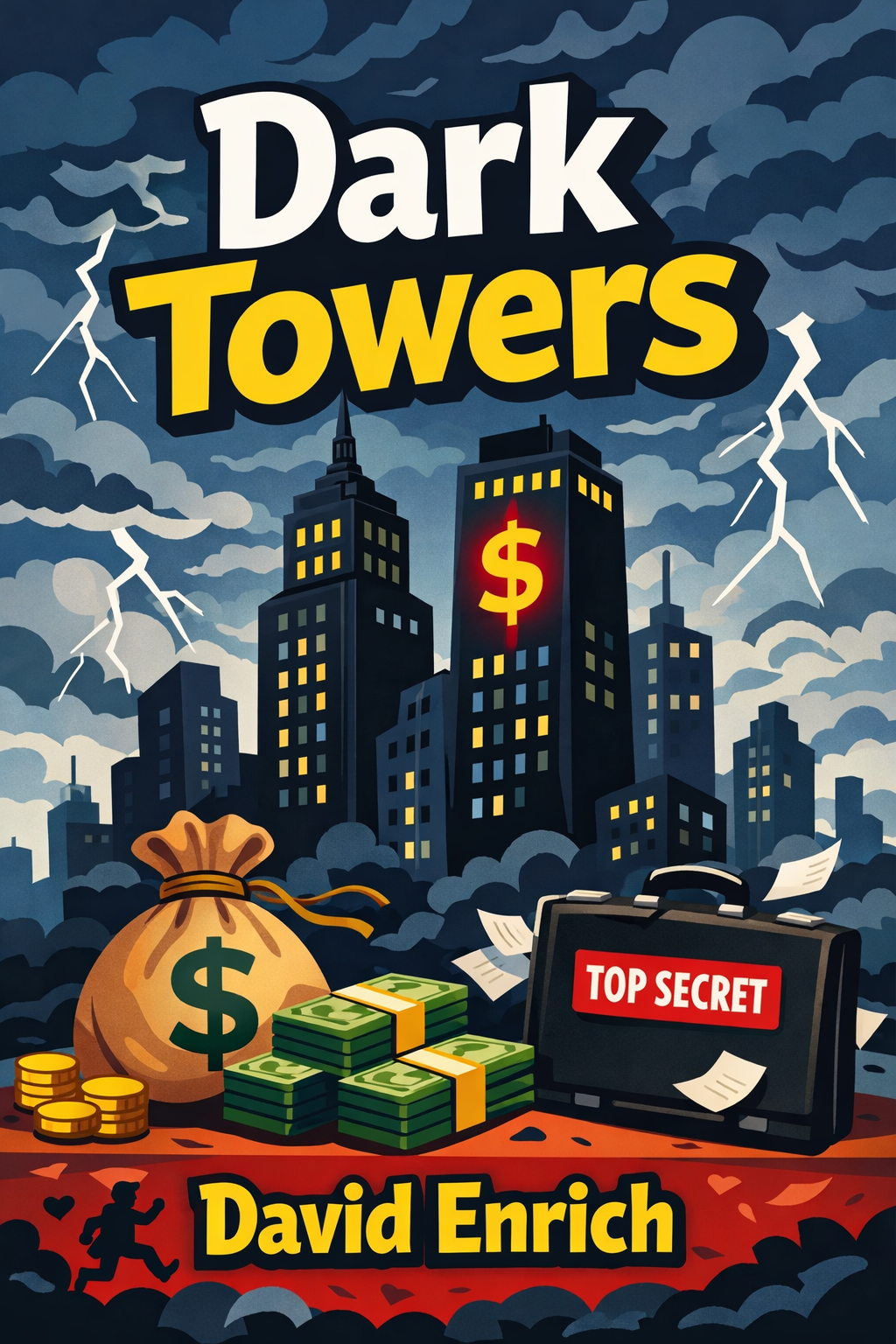
The narrative chronicles the astonishing and often harrowing ascent of Deutsche Bank from a modest financial institution to a global powerhouse, a journey paved not with prudence but with a corrosive hunger for profit. At the heart of this exposé is the decades-long investigation by journalist David Enrich, who pieces together a mosaic of malfeasance that implicates the bank in some of the world’s darkest affairs. The story is less about dry finance and more about the human characters—the ambitious executives, the compromised regulators, and the whistleblowers—who either fueled the machine or tried in vain to stop it.
The bank’s culture, as portrayed, is one of deliberate moral blindness, where aggressive pursuit of market dominance systematically eroded ethical guardrails. This is vividly illustrated through its aggressive foray into Wall Street, where it embraced high-risk, complex financial instruments with little regard for the stability of the global system. The bank became a central player in the rampant speculation that culminated in the 2008 financial crisis, yet unlike many of its peers, it emerged not chastened but emboldened, continuing to operate at the dangerous edge of the permissible.
Perhaps the most damning threads in the tapestry are the bank’s repeated and willful associations with corrupt and criminal entities. The account details how Deutsche Bank served as a conduit for money laundering on an epic scale, moving billions of dirty dollars from Russia and other former Soviet states through its opaque mirrors. It willingly did business with dictators, fraudsters, and rogue states, treating compliance as a nuisance to be managed rather than a principle to be upheld. The bank’s internal systems, investigators found, were often designed to fail, allowing illicit funds to flow freely while providing plausible deniability to those at the top.
A pivotal and deeply personal strand of the story follows the bank’s fateful relationship with a New York real estate developer who would later become President of the United States. Long after other major institutions had ceased doing business with him due to his notorious defaults and litigiousness, Deutsche Bank remained his lender of last resort, providing him with billions in loans despite glaring red flags. This relationship, built on a mutual understanding of relentless ambition and a disregard for convention, is presented not as an anomaly but as a symptom of the bank’s fundamental ethos: if there was money to be made, few questions were worth asking.
The human cost of this culture is embodied in the tragic figure of a young executive whose suicide is investigated as a potential consequence of the immense pressure and shadowy dealings within the bank’s London office. His death becomes a haunting symbol of the personal wreckage left in the wake of corporate avarice, prompting uncomfortable questions about what employees were asked to carry and conceal.
Despite mounting evidence and a slew of global investigations resulting in billions of dollars in fines, the institution proved remarkably resistant to change. The narrative captures the frustrating cycle of scandal, temporary contrition, and swift return to business as usual. Regulators and prosecutors, often outgunned by the bank’s legal resources and complexity of its operations, settled for financial penalties that were treated merely as a cost of doing business, leaving the underlying structures and attitudes intact.
In the end, the portrait is of a financial behemoth that became too big to manage and too enmeshed in the global shadow economy to easily reform. It stands as a stark case study in what happens when a financial institution divorces itself from any sense of social responsibility or long-term consequence, pursuing growth at any cost. The book is a sobering reminder of the immense power wielded by unaccountable private banks and the fragile systems that depend on their integrity. It concludes not with a neat resolution, but with an unsettling question: having survived its own worst impulses for so long, what does the future hold for an entity so deeply woven into the fabric of global finance and so accustomed to operating in the dark?