Description
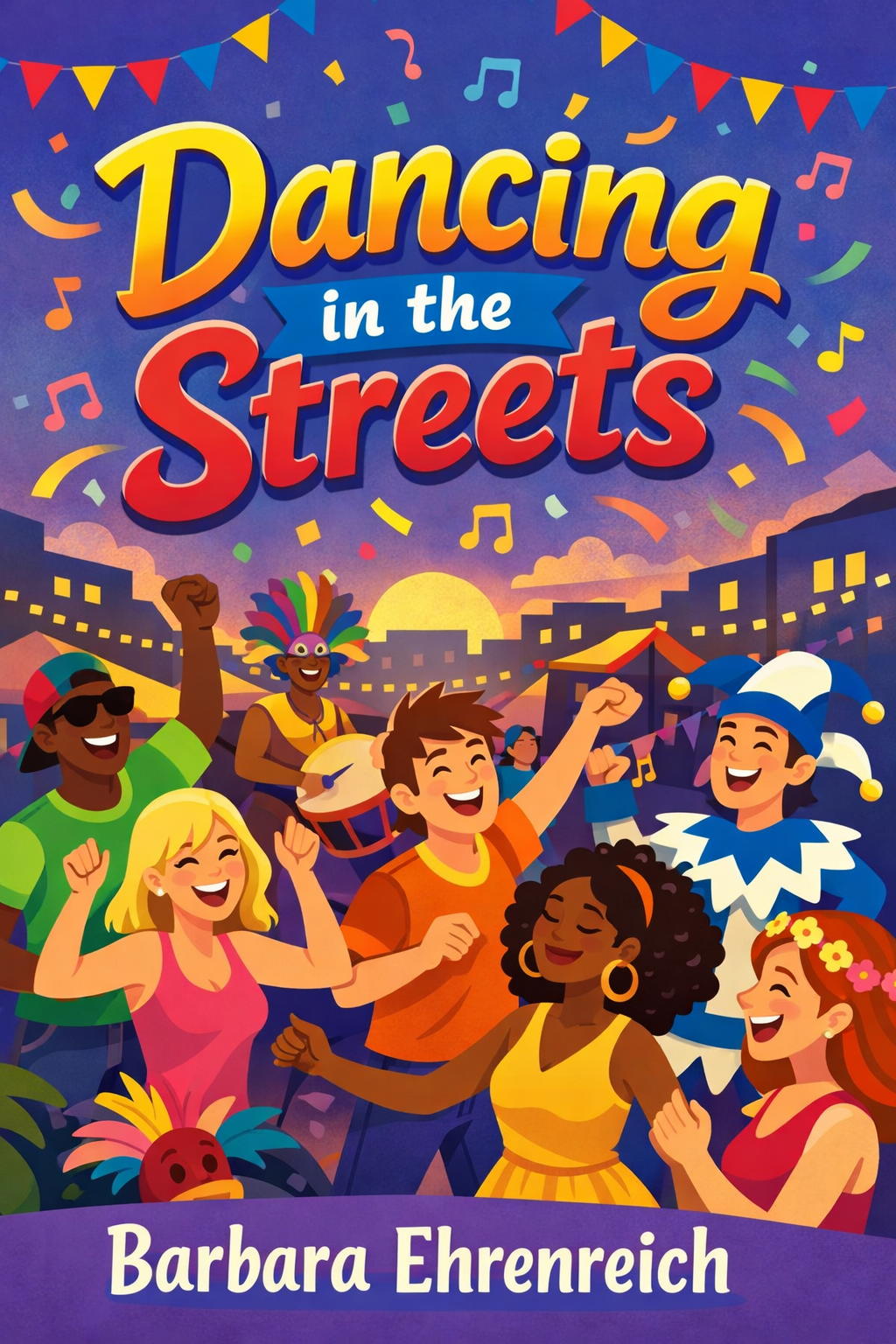
The human desire to move together in rhythm is far more than simple entertainment; it is a profound biological and social impulse woven into our very existence. This book explores the deep history of collective ecstasy, tracing how the innate human need for shared, transcendent joy through dance and ritual has been alternately nurtured, suppressed, and manipulated across the centuries. It posits that this “collective effervescence” is a fundamental part of our species’ makeup, crucial for bonding communities and fostering a sense of belonging that transcends the individual.
From our earliest ancestors, synchronized movement was not a frivolous pastime but a vital tool for survival. Anthropological evidence suggests that dance allowed early human groups to cohere and cooperate, creating social bonds strong enough to sustain communities larger than mere family units. This capacity for collective joy likely provided an evolutionary advantage. The pleasure we derive from moving in unison has deep roots, comparable to other primal drives, because it serves the critical function of strengthening communal ties. Ancient cultures recognized this power, often channeling it through worship. Deities like Dionysus, Pan, and Krishna were celebrated with ecstatic dances that allowed participants to touch the divine and experience a liberating loss of self within the safety of the group.
However, the rise of institutionalized Christianity in the West marked a turning point in the official attitude toward such practices. While early Christian gatherings reportedly included charismatic and joyful movement, church authorities grew wary. They saw a threat in allowing people to access ecstatic states directly, as it bypassed the Church’s role as the sole mediator of the divine experience. By the fourth century, influential figures like John Chrysostom were explicitly linking dance with sin, declaring, “For where there is a dance, there is also the devil.” This official condemnation created a tension that would last for centuries: a top-down suppression of collective ecstasy clashing with a persistent grassroots yearning for it.
This tension manifested dramatically in the phenomenon of medieval dance manias, where groups of people would inexplicably break into uncontrollable, prolonged dancing. While mysterious, these outbreaks can be seen as a kind of social pressure valve, a subconscious rebellion against the strictures forbidding communal joy. The Church’s eventual compromise was to sanction such behavior within strictly defined limits, giving rise to festivals like Carnival. For a brief, glorious period, social hierarchies were inverted, rules were suspended, and collective dancing, feasting, and celebration were not only permitted but expected. Yet, Carnival itself became a double-edged sword—a sanctioned release that also served as a means of control. As the event often sparked genuine rebellion, both Church and State moved from regulating it to actively suppressing it, especially in regions influenced by austere Protestantism.
The systematic decline of communal festive culture coincided with a notable rise in melancholy and depression in Western society, particularly from the seventeenth century onward. As public, collective joy was pushed to the margins, private introspection and individual identity took center stage. The book suggests this is no mere coincidence. The forces of capitalism, industrialization, and Protestant ethics prized individual achievement and self-control over communal bonding, leading to greater social isolation. Ironically, the very cultures that were labeling and treating “melancholy” as an individual affliction had dismantled the communal rituals—like ecstatic dance—that many other cultures around the world used (and still use) as a form of collective healing and mental release.
The human hunger for collective experience did not disappear; it was instead channeled into new, and sometimes dangerous, forms. The twentieth century witnessed the most chilling co-option of this desire by fascist regimes. Hitler and Mussolini masterfully crafted mass rallies that borrowed the aesthetics of ecstatic ritual—synchronized movement, powerful symbols, overwhelming spectacle—to forge a terrifying sense of unity and surrender to the state. These regimes understood the power of losing oneself in a crowd, but they perverted it into a tool for suppressing individual will rather than liberating it. This dark chapter demonstrated that the longing for collective belonging could be manipulated for authoritarian ends, leaving a deep suspicion of mass gatherings in its wake.
Yet, the impulse proved irrepressible. In the post-war era, it found a new, defiant expression in the rock and roll revolution. From blues clubs to massive stadium concerts, these musical movements deliberately recaptured the spirit of ecstatic ritual. They offered a secular, often rebellious space for self-loss and collective joy, creating temporary communities bound by rhythm and emotion. The rock concert became the modern heir to the carnival and the Dionysian rite, a place where the old, suppressed human need for shared transcendence could be openly, safely, and joyfully expressed. The story of collective joy, therefore, is one of resilience. It is a history of a fundamental human need facing suppression, regulation, and co-option, yet forever finding a way to dance back into the streets.