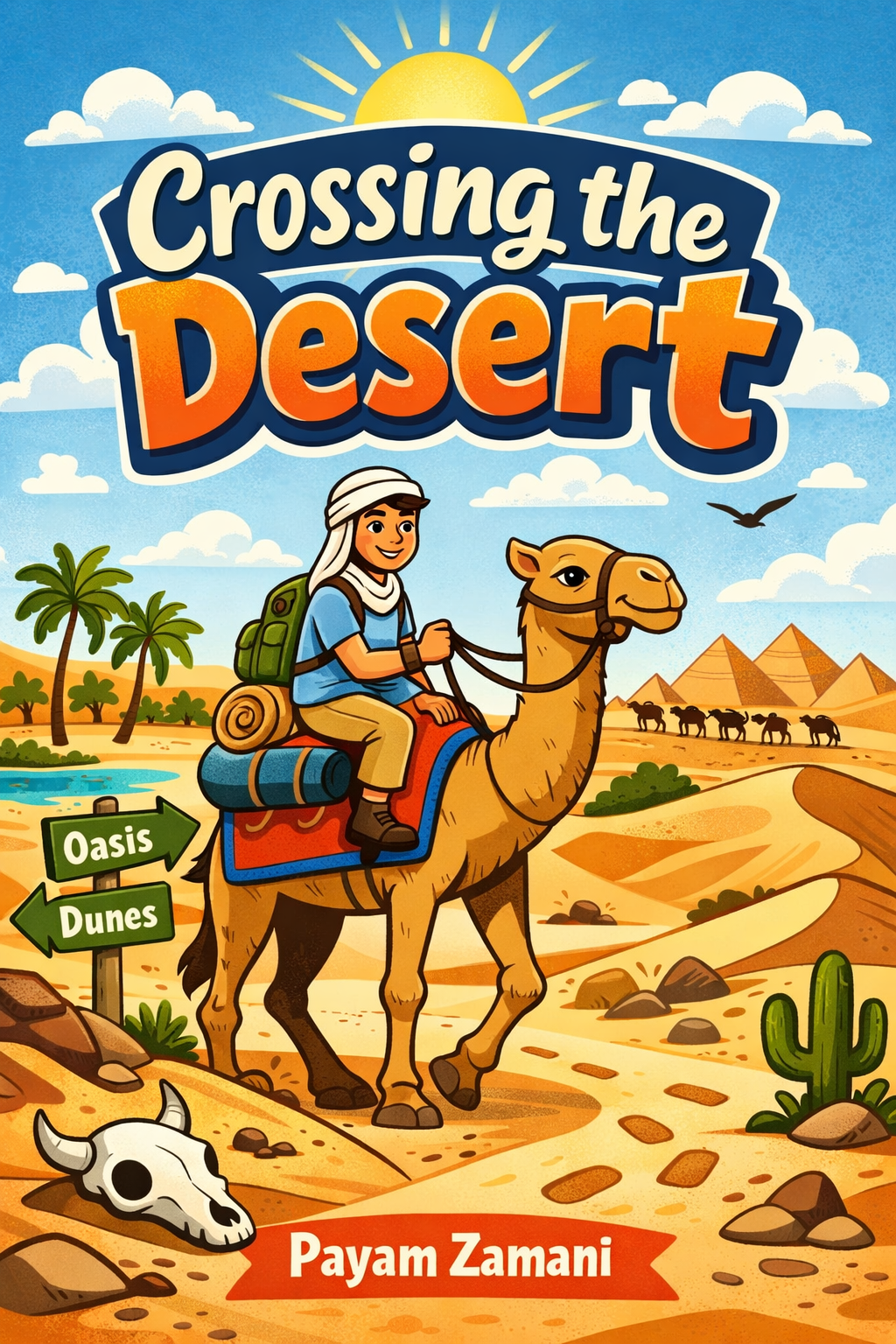
Description
Crossing the Desert presents a powerful metaphor for the most challenging and essential journey of adult life: the pursuit of true meaning. The book argues that modern existence, despite its material comforts and digital connections, often leaves us feeling spiritually barren and isolated—as if wandering a vast, internal desert. This desert is not a place of punishment, but a necessary landscape for transformation, where the noise of the world falls away and we are forced to confront our deepest selves.
The journey begins with a recognition of the thirst. This is the nagging feeling that there must be more to life than the daily grind, the curated successes, and the superficial engagements that fill our time. The author suggests we often try to quench this thirst with mirages: promotions, consumer purchases, likes on social media, or fleeting pleasures. These provide temporary relief but ultimately leave us more parched. The first step is to courageously admit the dryness and to stop following paths laid out by others, turning instead inward to navigate by a different compass.
Entering the desert is therefore an act of conscious withdrawal. It requires creating space for solitude and reflection amidst the chaos of everyday life. This stage is fraught with disorientation and fear. Familiar landmarks of identity—our job titles, routines, and roles—recede, and we are left with fundamental questions. Who am I when stripped of these externals? What do I truly value? The silence can be deafening, and the temptation to return to the noisy oasis of society is strong. The book emphasizes that this phase of feeling lost is not failure; it is the soil in which new understanding must grow.
The core of the desert experience is the encounter with the self. Without distraction, we meet our regrets, our unhealed wounds, our dormant dreams, and our raw potential. This is a demanding and often painful process of inventory and honesty. However, the author reframes this not as a trial of endurance but as a sacred excavation. By facing our shadows and acknowledging our vulnerabilities, we discover hidden wells of strength and authenticity. We learn to rely on an inner resilience we never knew we possessed, finding sustenance not from external validation, but from the integrity of our own steps.
This inward trek gradually leads to a profound shift: the discovery that the desert is not empty. It is alive with subtle beauty and stark truth. In the vast stillness, we start to hear a more authentic voice. Purpose begins to clarify not as a single destination to be reached, but as a manner of traveling—a way of being aligned with our core values. We find that meaning is woven from threads of contribution, connection, and presence. The journey transforms from a solitary survival test into a pilgrimage toward a life of significance.
Ultimately, crossing the desert leads not to an escape from the world, but to a richer, more purposeful re-engagement with it. The traveler emerges not on the other side, but transformed, carrying the desert’s clarity within. They return to community and responsibility with a renewed spirit, able to connect more deeply because they are no longer desperate for others to fill their emptiness. Their actions flow from a place of abundance and integrity. The book concludes that the desert crossing is a recurring cycle, not a one-time event. Each major life transition or period of questioning invites us back to the barren landscape to shed another layer and find a deeper, more resonant truth, guiding us to live a life not just of success, but of genuine significance.