Description
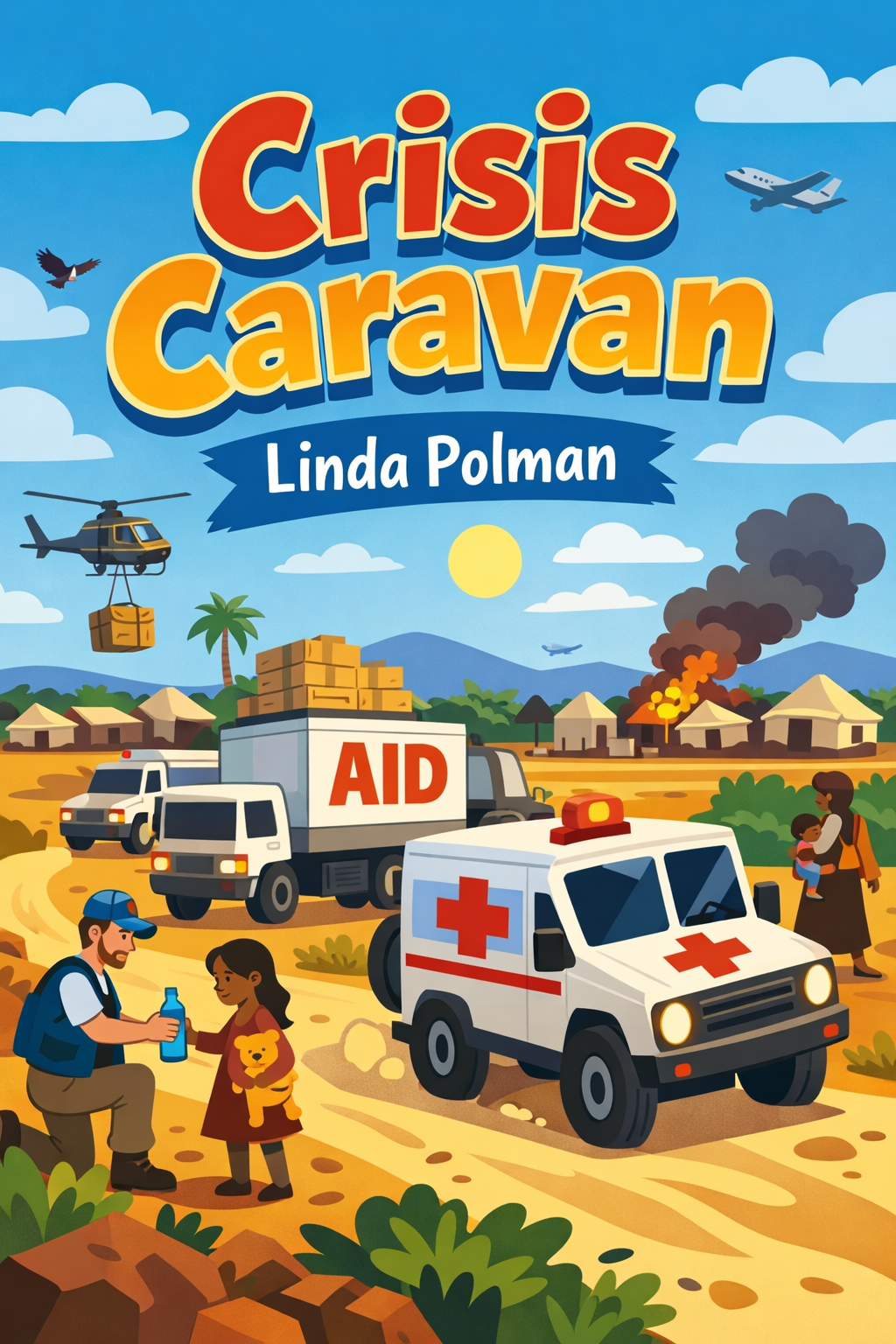
In a world where images of suffering prompt immediate calls for action, the machinery of international aid is often perceived as an unequivocal force for good. Yet beneath this noble facade lies a complex and frequently troubling reality. The modern humanitarian sector, far from being a pure embodiment of altruism, has evolved into a competitive, multi-billion dollar industry where principles are compromised, and unintended consequences are rampant. This exploration delves into the stark disconnect between the ideals of neutral, impartial relief and the on-the-ground practices that can perpetuate crises rather than resolve them.
The foundational ideals of humanitarian action—neutrality, impartiality, and independence—were established by pioneering organizations like the International Committee of the Red Cross. However, these principles are routinely abandoned in the field. A stark example unfolded during the Rwandan genocide, where hundreds of thousands of Hutus fled to camps in Goma, Democratic Republic of the Congo. There, a constellation of major aid groups provided sustenance and shelter. Tragically, these very camps became strategic bases for Hutu militias to regroup and continue their campaign of violence. Aid agencies, aware of this reality, continued their operations, effectively taking sides and violating their core tenet of neutrality. This failure is driven by a commercial logic; organizations compete for donor funds and media attention, treating crisis zones as markets where their investments must pay off in contracts and publicity. Cooperation is scarce, as seen when one organization’s attempt to protest militia violence by reducing supplies was instantly undermined by a competitor eager to fill the gap.
This dynamic is exacerbated by the fact that aid itself is routinely weaponized by warring parties. In conflict zones, delivering assistance requires negotiations that often funnel resources directly to combatants. Following the 2004 tsunami in Sri Lanka, aid groups like Caritas International had to pay a “tax” to the Tamil Tigers for reconstruction materials, directly funding the guerrilla army’s war chest. Similarly, in the former Yugoslavia, convoys were forced to surrender a portion of their supplies at Serb checkpoints. Refugee camps, intended as sanctuaries, are regularly exploited by “refugee warriors,” who use them as safe havens, recruitment centers, and sources of supplies, cynically referring to civilians as “aid bait” to attract more resources. This transforms camps into military targets, heightening danger for the most vulnerable.
The allocation of aid is not based on need alone, but on a cold calculus of visibility and donor appeal. Crises are effectively pitted against each other in a brutal lottery where only the most photogenic or strategically relevant win attention. During the Rwandan genocide, almost all aid flowed to the Hutu perpetrators in Goma, while the Tutsi victims were largely ignored. To attract this fickle attention, crisis-ridden countries are forced to wage public relations battles, employing press officers to market their suffering to the world. The media, in turn, becomes a tool to be manipulated. Aid organizations have been known to dramatically exaggerate casualty figures, as happened during a cholera outbreak in Goma, where competing agencies inflated daily death tolls to attract more funds. They cultivate cozy relationships with journalists by offering embedded positions, free travel, and other perks, ensuring sympathetic coverage that blurs the line between reporting and advocacy.
This system fails to protect those it claims to serve from incompetence and harm. The field is increasingly crowded with unqualified amateurs and “My Own NGO”s (MONGOs)—well-meaning but poorly informed groups that bypass the bureaucracy of large agencies, often with disastrous results. In Afghanistan, some American MONGOs distributed Bibles with food, alienating the local population and undermining broader aid efforts. In Sierra Leone, MONGOs and private individuals forcibly relocated child amputees from their families under the guise of providing better medical care, despite adequate treatment being available locally. No laws or regulatory frameworks exist to shield crisis victims from such dangerous, unqualified interventions.
Nowhere are these systemic failures more apparent than in post-9/11 Afghanistan, a theater for one of history’s largest aid projects concurrent with a major military campaign. Here, aid was often subcontracted through multiple layers of intermediaries, with funds evaporating at each step. Projects were routinely handed to warlords and local power brokers who skimmed profits, delivered shoddy work, or used the projects to consolidate their own control. This created a perverse economy where aid dollars reinforced the very structures of corruption and conflict that perpetuated instability. The humanitarian mission became inextricably linked with the political and military goals of the intervening nations, destroying any pretense of neutrality and making aid workers targets.
The conclusion is inescapable: the humanitarian aid industry is in profound crisis, compromised by its own commercialization, political instrumentalization, and lack of accountability. To suggest abandoning aid altogether would be a moral catastrophe, but continuing without rigorous, systemic change is equally untenable. Improvement demands a return to core principles, a rejection of the competitive model that pits agencies against each other, and the establishment of robust mechanisms for oversight and quality control. It requires donors and the public to look beyond heart-rending imagery and demand transparency, efficacy, and a genuine commitment to “do no harm.” Only through such critical scrutiny and reform can the noble impulse to help others be channeled into actions that truly alleviate suffering, rather than extending it.