Description
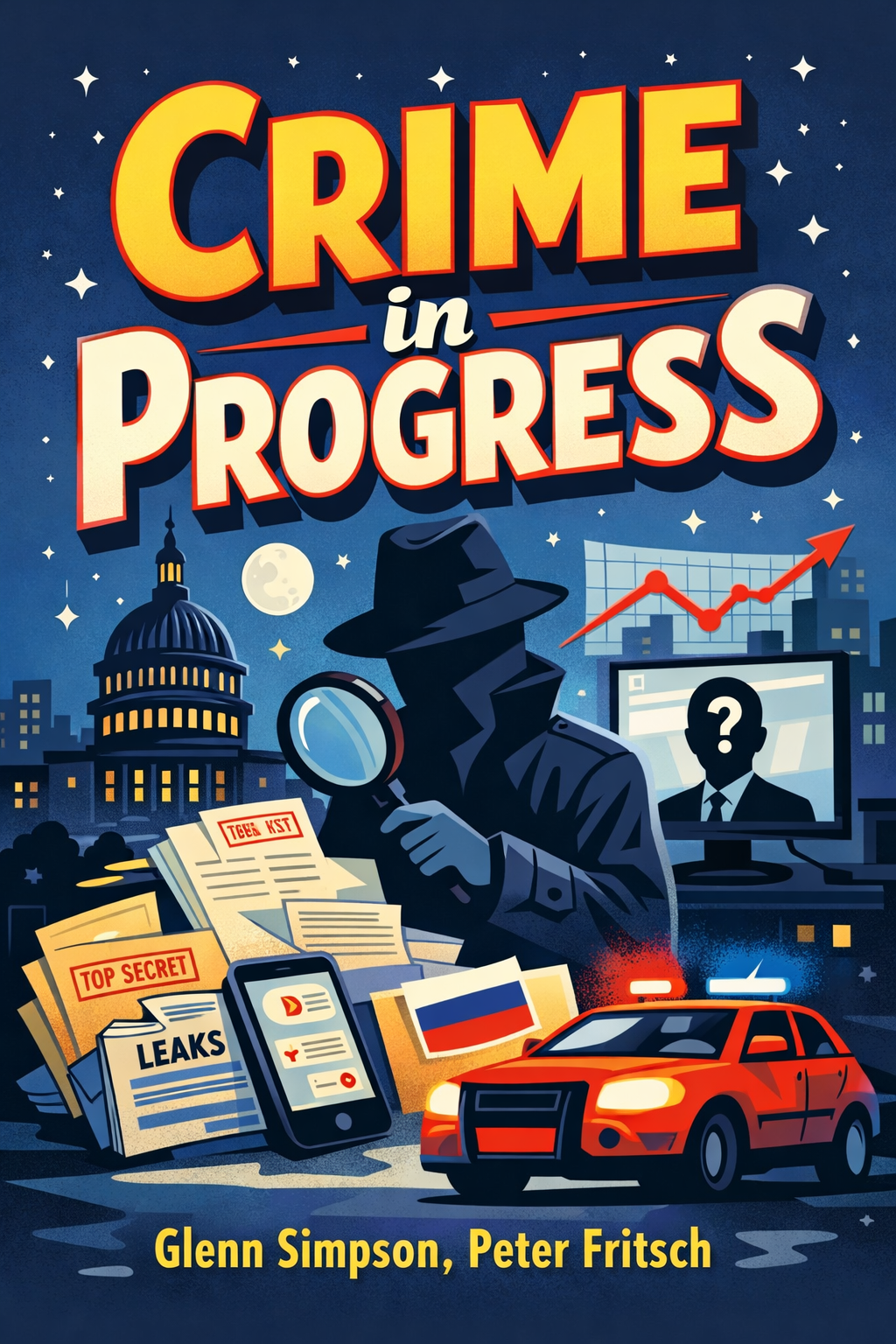
The narrative unfolds as a real-time chronicle of one of the most consequential investigations in modern American history, seen through the eyes of its architects. What begins as a routine look into certain financial transactions soon spirals into a labyrinthine probe touching the highest levels of power. The authors, key figures in the research firm behind the now-famous dossier, guide us through the painstaking, often surreal process of connecting dots across continents. They describe late nights parsing complex corporate structures, following money trails that vanished into offshore havens, and conducting sensitive interviews with sources who risked everything. The work was not born in a government office but in a private office, a deliberate choice to follow evidence wherever it led, free from the constraints and potential compromises of official channels.
As the puzzle pieces slowly coalesce, a startling picture emerges—one suggesting a years-long cultivation of a prominent American political figure by Russian intelligence. The book meticulously details the allegations: a history of compromised business dealings, covert communications, and a coordinated campaign of election interference. The researchers grapple with the enormity of their own findings, double- and triple-checking every claim, knowing the explosive potential of their work. They convey the palpable tension of operating in a charged atmosphere where the subject of their investigation is now a presidential candidate, and then the President of the United States. The pressure is not merely professional; it becomes personal, with the team facing intense scrutiny, legal threats, and public vilification.
The story captures the chaotic aftermath of the dossier’s publication, a moment that ignited a media inferno and a political crisis. The authors find themselves thrust from the shadows of confidential research into the glaring spotlight of national controversy. They recount the disorienting experience of seeing their work—a raw, uncorroborated intelligence product—become a public football, mischaracterized and weaponized by all sides. They defend its purpose: not as a verdict, but as a roadmap, a series of leads so serious they demanded a rigorous, official examination. The narrative pushes back against the simplistic labels, arguing their mission was always about following the evidence, not a predetermined outcome.
Throughout, the book is also a stark portrait of the vulnerabilities of a modern democracy. It illustrates how vast wealth, opaque financial systems, and sophisticated information warfare can be leveraged by a foreign adversary. The investigators witness firsthand the tactics of denial, distraction, and disinformation deployed to discredit their work and obscure the underlying facts. They detail the alarming contacts and coincidences that suggested a troubling alignment between a political campaign and a hostile foreign power’s agenda. The account raises profound questions about loyalty, leverage, and where the lines between business, politics, and geopolitics truly lie.
Ultimately, this is a tense, first-person procedural about the pursuit of truth in a post-truth age. It’s a story of ordinary individuals burdened with extraordinary knowledge, wrestling with the ethical weight of their task while navigating a landscape where facts themselves are under assault. The authors do not claim to have all the answers, but they present a compelling, detailed record of what they found and why they believed it mattered. The investigation they helped spark would lead to special counsels, congressional inquiries, and dramatic indictments, yet the core questions it raised about foreign entanglement and the integrity of American institutions continue to resonate. The book stands as a detailed, impassioned testament to the painstaking and perilous work of connecting dots in the dark, long before the full picture is ever seen by the public.