Description
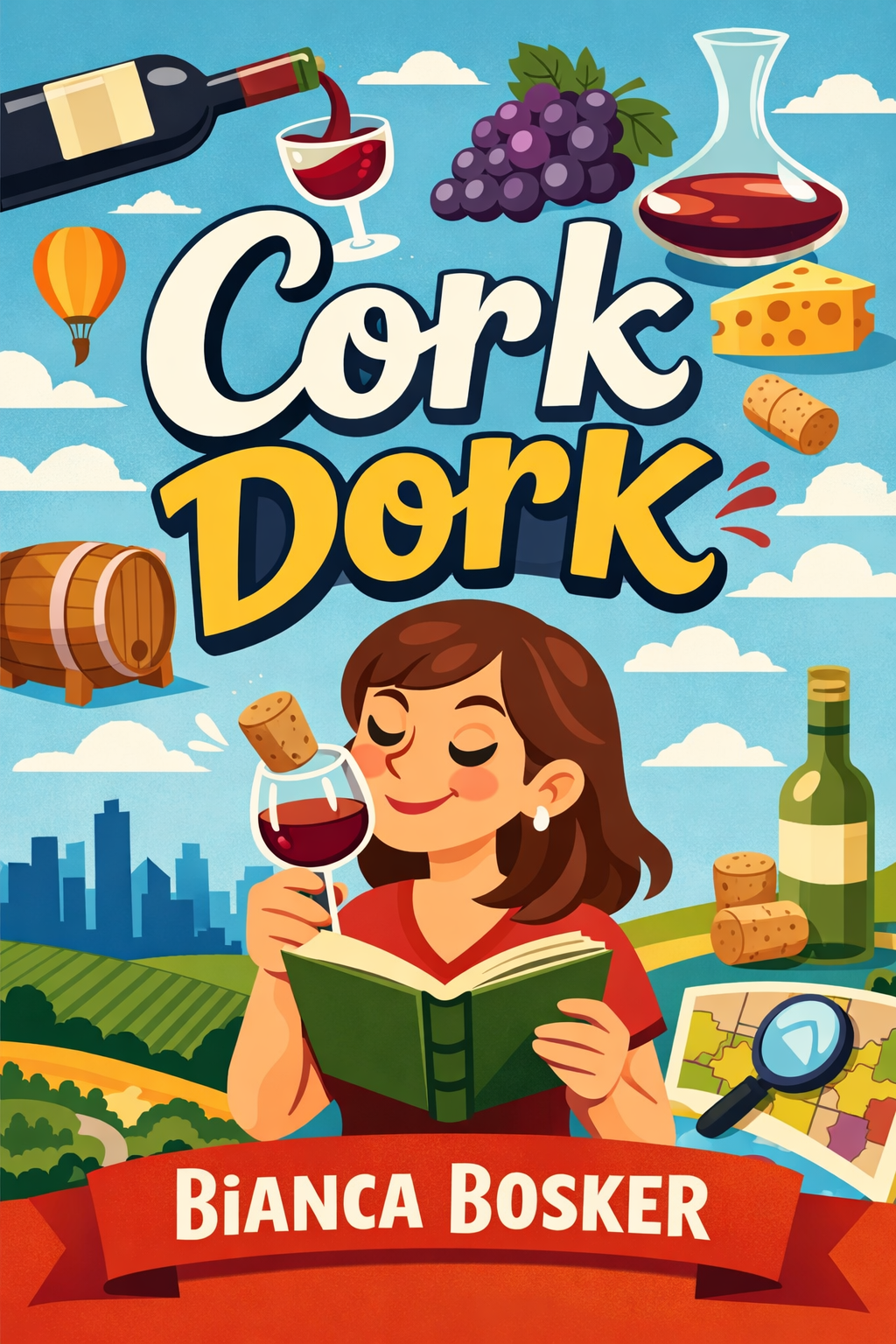
What begins as a casual curiosity about the strange, competitive world of sommeliers spirals into a full-blown obsession for journalist Bianca Bosker. After witnessing the almost supernatural sensory skills of top wine professionals, she abandons her stable career to pursue a seemingly impossible goal: passing the notoriously difficult Certified Sommelier Exam. Her journey is less about memorizing grape varieties and more about a radical retraining of her own mind and body, plunging her into a subculture where people lick rocks to understand minerality and treat their noses with the protective reverence of a concert pianist’s hands.
Bosker discovers that becoming a “cork dork” requires an almost monastic dedication to the senses, particularly smell. She learns that what we casually call “taste” is overwhelmingly influenced by aroma, a fact proven when sipping coffee with a pinched nose reduces the experience to simple bitterness. This revelation leads her to a rigorous, twice-daily regimen of sniffing essential oils and countless wines, systematically building a mental library of scents. She apprentices in the intense pressure-cooker environments of elite New York City restaurants, where service is a high-stakes performance. Here, knowledge is useless without the grace to decant a bottle over a candle without causing a fire, or the psychological insight to guide a nervous diner to a perfect, budget-friendly bottle.
The narrative demystifies the science of flavor, debunking myths like the tongue map and explaining how the brain constructs flavor from a combination of taste, smell, and tactile sensation. Bosker illustrates that the sommelier’s skill is not innate but forged through relentless, deliberate practice. She trains to detect the weight of alcohol by watching how wine forms “tears” on the glass, learns to gauge body by comparing the mouthfeel of cream to skim milk, and practices the awkward but essential technique of aerating wine in her mouth with a slurp to unlock its full aroma.
Beyond the mechanics, the book explores the deep philosophical questions at the heart of wine culture. Is a bottle objectively better than a one? Bosker delves into the world of wine fraud, neuroscience, and blind tastings, revealing how easily our perceptions are manipulated by labels, price tags, and the opinions of experts. She argues that the flowery, often absurd language of tasting notes is more a barrier than a help, and that the true measure of a good wine is profoundly simple: it’s a wine you want to keep drinking.
Ultimately, Bosker’s quest is one of transformation. The woman who once saw wine as merely a beverage emerges with a finely tuned palate and a hard-won certification. But the greater reward is a new way of experiencing the world. She learns that attention itself is a form of luxury, and that by cultivating a deeper awareness of what we smell and taste, we can find richness and complexity in everyday moments. The book is an invitation to slow down, to engage deliberately with our senses, and to discover that the potential for extraordinary perception lies within everyone, waiting to be unlocked through curiosity and focus.