Description
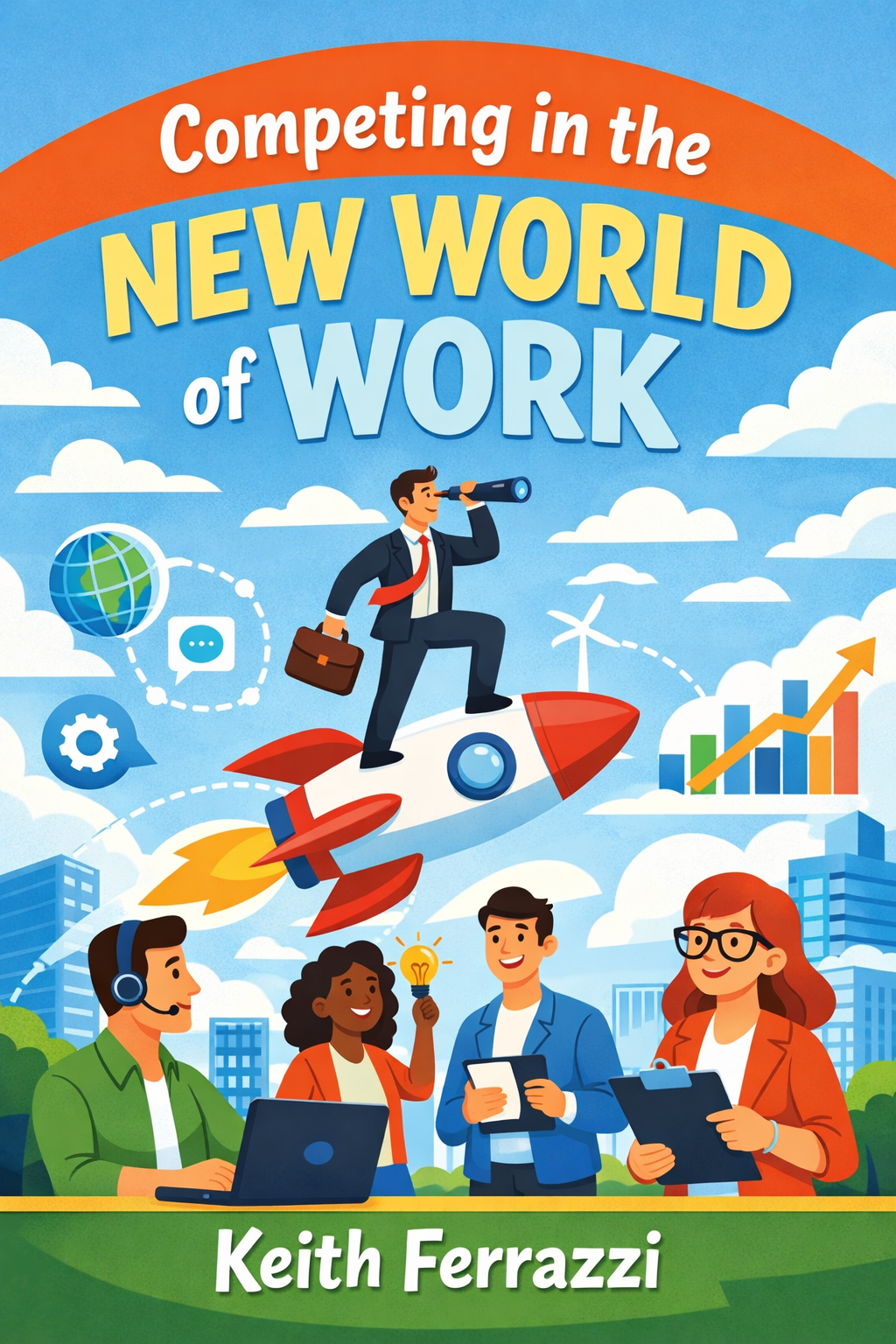
The landscape of work has undergone a fundamental and irreversible shift. The old models of business, built on predictability, rigid hierarchies, and long-term planning, are crumbling under the weight of relentless technological, social, and global change. The central imperative for any organization hoping not just to survive but to compete and lead in this new environment is to cultivate a capacity for radical adaptability. This is not incremental improvement or crisis management; it is a profound transformation in mindset, culture, and operation that allows a company to see change not as a threat to be weathered, but as the primary source of opportunity and growth.
Consider the unexpected parallels between a global corporation and the Burning Man festival. In the harsh desert, a temporary city thrives not through monetary exchange but through radical collaboration, improvisation, and a shared commitment to community and creativity. This experiment in human organization demonstrates that when traditional structures and incentives are removed, new, highly adaptive, and innovative forms of cooperation can flourish almost instantly. The recent global pandemic served a similar, if far more brutal, function for the business world. It was a forced experiment that shattered decades of conventional practice overnight, proving that remote work, digital transformation, and rapid operational pivots were not only possible but often preferable. Organizations that clung to the old ways faltered, while those that displayed agility discovered new strengths.
Radical adaptability, therefore, is the disciplined practice of building an organization that operates with the innovative spirit of Burning Man and the urgent agility demanded by the pandemic, but as a permanent state of being. It requires moving from a defensive posture of resilience—trying to bounce back to a previous normal—to an offensive posture of constant evolution. The goal is to shape the future rather than simply react to it. This demands a new kind of leadership and a new set of organizational competencies. Leaders must foster emotional intelligence, creating cultures of psychological safety where diverse perspectives are not just heard but actively sought. A clear, compelling purpose must replace rigid profit targets as the north star, guiding decisions and inspiring teams through uncertainty.
The timeline for this transformation is not leisurely. The authors suggest that organizations have a critical window—approximately eighteen months—to embed these principles or risk irrelevance. This is not about writing a new strategic plan; it is about changing the very fabric of how work gets done. It involves decentralizing decision-making to empower those closest to the information, leveraging technology for connection and insight rather than just efficiency, and designing teams that are fluid, cross-functional, and oriented around solving problems rather than maintaining silos.
A powerful metaphor for the individual mindset required within a radically adaptable organization is the story of Tilly Smith, a ten-year-old girl on a Thai beach who recognized the warning signs of an impending tsunami from a geography lesson. While others saw only receding water, she saw a pattern, believed in her knowledge, and had the courage to raise the alarm, saving countless lives. In the same way, every employee in a modern company must be empowered and encouraged to observe keenly, connect disparate data points, and act courageously on their insights without waiting for permission from a chain of command. The collective intelligence and initiative of a workforce, unlocked by trust and a shared purpose, become the organization’s greatest sensor and engine for adaptation.
Ultimately, competing in the new world of work is less about defeating rivals and more about mastering the art of continuous reinvention. It is a recognition that stability is an illusion and that the only sustainable advantage is the ability to learn, adapt, and evolve faster than the world around you. By embracing radical adaptability, organizations can build not just a defense against disruption, but a perpetual capacity to create their own future, turning the inherent volatility of the modern age into their most powerful fuel for growth and innovation.