Description
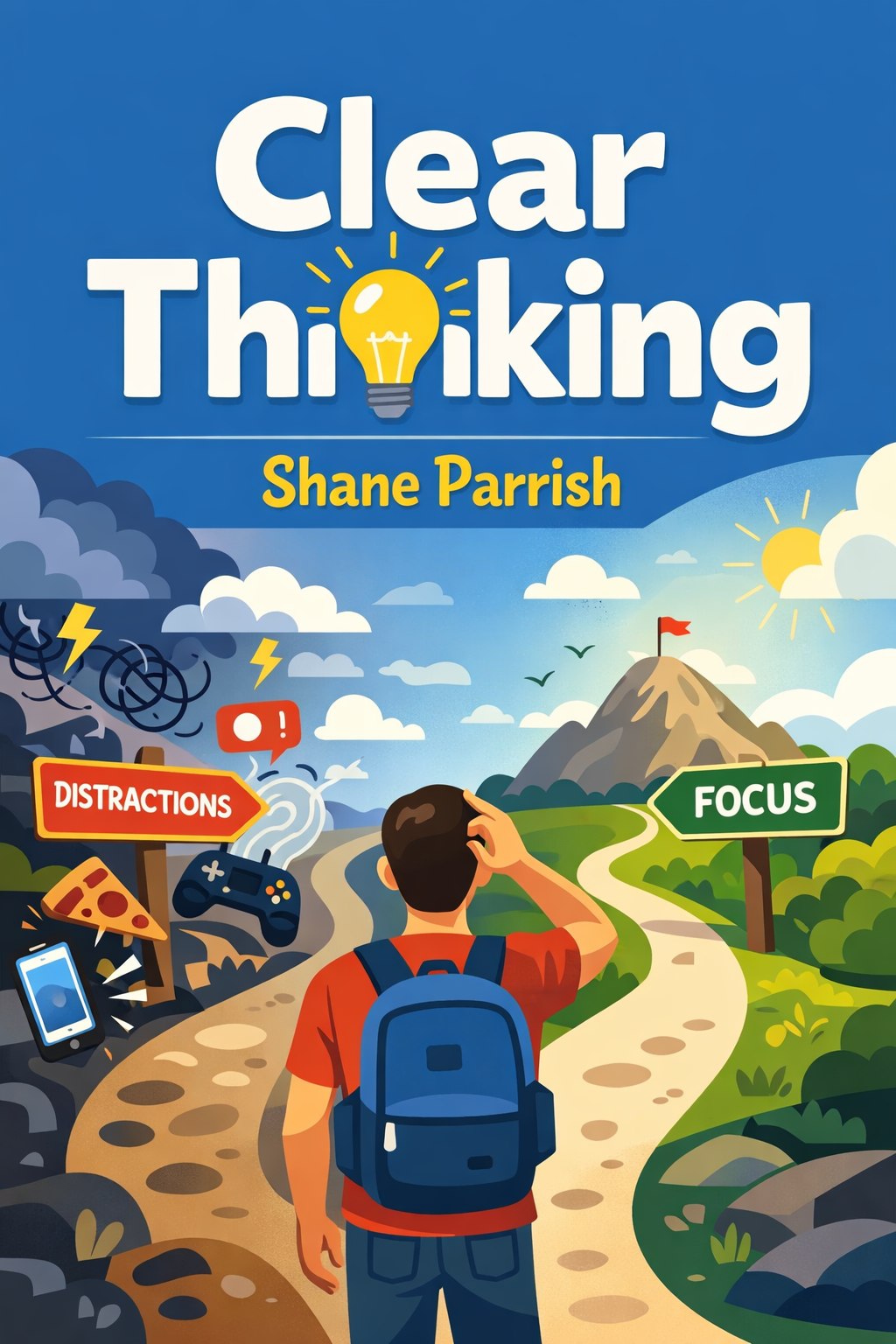
Our minds are wired with instinctive shortcuts that often lead us astray, especially in moments of pressure or importance. True clarity of thought is not our default state; it is a skill we must consciously cultivate. The journey begins with recognizing the four primary enemies of rational thinking: the emotional default, where feelings override facts; the ego default, where protecting our self-image trumps finding the truth; the social default, where we conform to the group against our better judgment; and the inertia default, where we stick with the familiar simply because it is the path of least resistance. These automatic patterns are the root of countless poor choices. The first and most powerful tool against them is the intentional pause—creating a moment of space between stimulus and response to allow reason to enter the conversation.
Building this capacity requires more than just awareness; it demands the deliberate strengthening of four foundational aspects of the self. Self-accountability is the practice of owning your outcomes, mistakes, and limitations without excuse. Self-knowledge involves a clear-eyed audit of your unique strengths and weaknesses, allowing you to deploy the former and compensate for the latter. Self-control is the discipline to manage reactive emotions like fear, pride, or desire, preventing them from hijacking your judgment. Finally, self-confidence—grounded in reality, not arrogance—fortifies you to stand by your reasoned conclusions without being swayed by social pressure or self-doubt. Together, these qualities form an internal bulwark against the chaotic pull of our mental defaults.
Yet, some weaknesses are deeply ingrained or blind spots remain invisible to us. For these, we need management strategies, not just willpower. A powerful technique is to actively seek different perspectives, much like a leader who steps into the shoes of their team to see the systemic impact of small, unthinking habits. Other practical tactics include setting pre-commitment rules to curb impulses, designing your environment to add friction between you and bad habits, and developing a robust process for recovering from mistakes with genuine accountability and changed behavior. The goal is not to become a flawless thinker but to create intelligent workarounds so that your inherent biases and flaws do not dictate your destiny.
With a stronger mind and managed weaknesses, you can apply a disciplined framework to your most significant decisions. Sound decision-making is a structured art, distinct from mere choosing. It starts with the critical, often-skipped step of properly defining the real problem, not just its symptoms. Rushing to solutions based on a poorly understood issue is a common failure point. Once the true problem is crystallized, the next phase is to generate a diverse array of potential solutions, pushing beyond simplistic either/or options to explore creative combinations and third ways. Each alternative must then be evaluated against clear, pre-established criteria, considering both potential rewards and risks. After execution, a deliberate review of both the outcome and the process itself turns every decision into a learning opportunity, honing your methodology over time.
Ultimately, clear thinking is the engine for designing a life of intention. When your decisions are guided by reason, managed weaknesses, and a reliable process, you move from being a passive participant in your own story to its active author. This practice, directed by a deep understanding of what you truly want and why it matters, allows you to shape your days and years with purpose. It is the quiet, consistent application of clarity that builds a legacy of wise choices and a deeply satisfying existence.