Description
Human beings have always lived with the sun at the center of life. Ancient civilizations built temples and performed rituals to honor it. Farmers watched the skies to guide planting and harvest. Even today, though we live in cities full of artificial lights, the sun still quietly governs our health and well-being. Science now shows that our bodies depend on sunlight more than we often realize.
At the heart of this connection lies something called our “inner clock.” This clock lives in a tiny part of the brain and tells the body when to wake, when to rest, and when to carry out countless processes like digestion and hormone release. This clock follows daily rhythms, also called circadian rhythms. The main signal that keeps these rhythms in balance is sunlight. When morning light enters our eyes, it tells the body to stop producing sleep hormones and to prepare for energy. When the sun sets, darkness signals the body to rest. Without this daily guidance, our rhythms begin to drift, and our health suffers.
This is why people can feel jet lagged when traveling across time zones, or why they struggle with sleep after spending too many nights looking at bright screens. The body loses track of time. Even small disruptions can have wide effects: poor sleep, low energy, mood swings, and long-term risks to physical health. The sun is not simply a source of light; it is the master regulator of the human body.
Throughout history, people believed the sun could heal. Ancient Greek and Roman doctors recommended sunbathing for a variety of illnesses. Hippocrates himself spoke of its benefits. Later, in the 19th and early 20th centuries, doctors rediscovered sunlight as a treatment. Sun exposure was used to treat diseases like rickets, caused by weak bones, because sunlight triggers the skin to produce vitamin D. Without vitamin D, bones soften, weaken, and can deform.
Even today, vitamin D remains one of the most important nutrients for strong bones and overall health. Pregnant women, children, and older adults are especially vulnerable to deficiency. Yet modern life keeps many of us indoors, where natural light is scarce. Offices, schools, and homes often provide only a fraction of the brightness found outdoors, even on cloudy days. Compare a modern office worker to a farmer or someone who works outdoors: the difference in exposure can be tenfold. This means large parts of the population now live chronically underexposed to the light our bodies evolved to rely on.
The consequences of this extend beyond bones. When people spend too much time under artificial lighting, their circadian rhythms lose balance. Artificial lights, especially the bluish light from phones and computer screens, trick the brain into thinking it is still daytime. As a result, the body delays releasing melatonin, the hormone that makes us sleepy. This can lead to restless nights, shallow sleep, and groggy mornings. Over time, the problem builds into fatigue, weakened immune systems, and even mood disorders.
Research suggests that disruptions to circadian rhythms may even contribute to serious illnesses, including cancer. The World Health Organization has classified circadian disruption as a potential cause of cancer. This means that something as simple as working night shifts or constantly changing sleep schedules could, over years, damage the body in profound ways.
Lack of sunlight also affects the mind. Many people who live in northern climates know the experience of winter blues, also called seasonal affective disorder (SAD). During long winters, the shortage of daylight leads to sadness, fatigue, and low motivation. Treatments often involve “light therapy,” where people sit in front of bright lamps designed to mimic sunlight. In some cases, entire towns have tried creative solutions. A village in Norway installed giant mirrors on nearby mountains to reflect sunlight into the town during winter. In Sweden, traditional rituals of sauna and icy plunges may also help reset mood chemicals, leaving people refreshed and happy.
Light also plays a role in more serious mental health conditions. Some doctors now use “chronotherapy,” a method that strengthens or resets circadian rhythms to treat depression and bipolar disorder. Treatments may combine light therapy, medication, and even controlled sleep deprivation. Surprisingly, a night of staying awake, followed by exposure to morning light, can sometimes lift deep depression almost instantly. It does not cure the condition, but it shows the powerful link between light, body clocks, and brain chemistry. Many patients who do not respond to drugs have found relief with this kind of therapy.
This brings us to a larger question: what if society is designed in ways that constantly fight against our inner clocks? One example is daylight saving time, when clocks shift forward and back each year. Millions of people feel groggy and off-balance after the change. Researchers call this “social jet lag.” Studies have linked the practice to higher accident rates, lower productivity, and general discomfort.
Some schools and communities are beginning to adapt. In certain towns in the United States and England, schools have moved their start times later in the morning. Teenagers naturally need more sleep and tend to wake later than adults. After the changes, students reported better moods, higher grades, and fewer sick days. Teachers also noticed that students were more alert and engaged. This simple adjustment to respect natural rhythms had remarkable results.
Businesses, too, are slowly learning. Some companies have installed lighting systems that change brightness and color throughout the day to better match natural sunlight. Others allow flexible schedules or remote work, giving people the freedom to align their work with their natural energy patterns. Though these steps may seem small, they show an important recognition: respecting the body’s rhythms is not a luxury, it is a foundation for health, focus, and happiness.
So what lessons can we take for our own lives? First, we should not underestimate the sun. It is not just about warmth or brightness. It sets our inner clocks, strengthens our bones, shapes our moods, and even influences how our brains function. Without regular sunlight, we become weaker in body and mind.
Practical steps can make a difference. Spending even 20 minutes outside in the morning sun helps reset the body clock. Reducing screen time at night or using warmer, dimmer lighting can make it easier to fall asleep. People who travel across time zones can use small doses of melatonin, taken at sunset, to speed up adjustment. Most importantly, paying attention to how light affects our bodies can guide us toward better routines.
In the end, the story of the sun is a reminder of how closely connected humans remain to nature. We may live in cities, surrounded by technology, but our biology still belongs to the natural world. The sun rises and sets, and with it, our bodies know when to work, when to rest, and how to thrive. By listening to this rhythm, we can protect our health, sharpen our minds, and live with more balance.
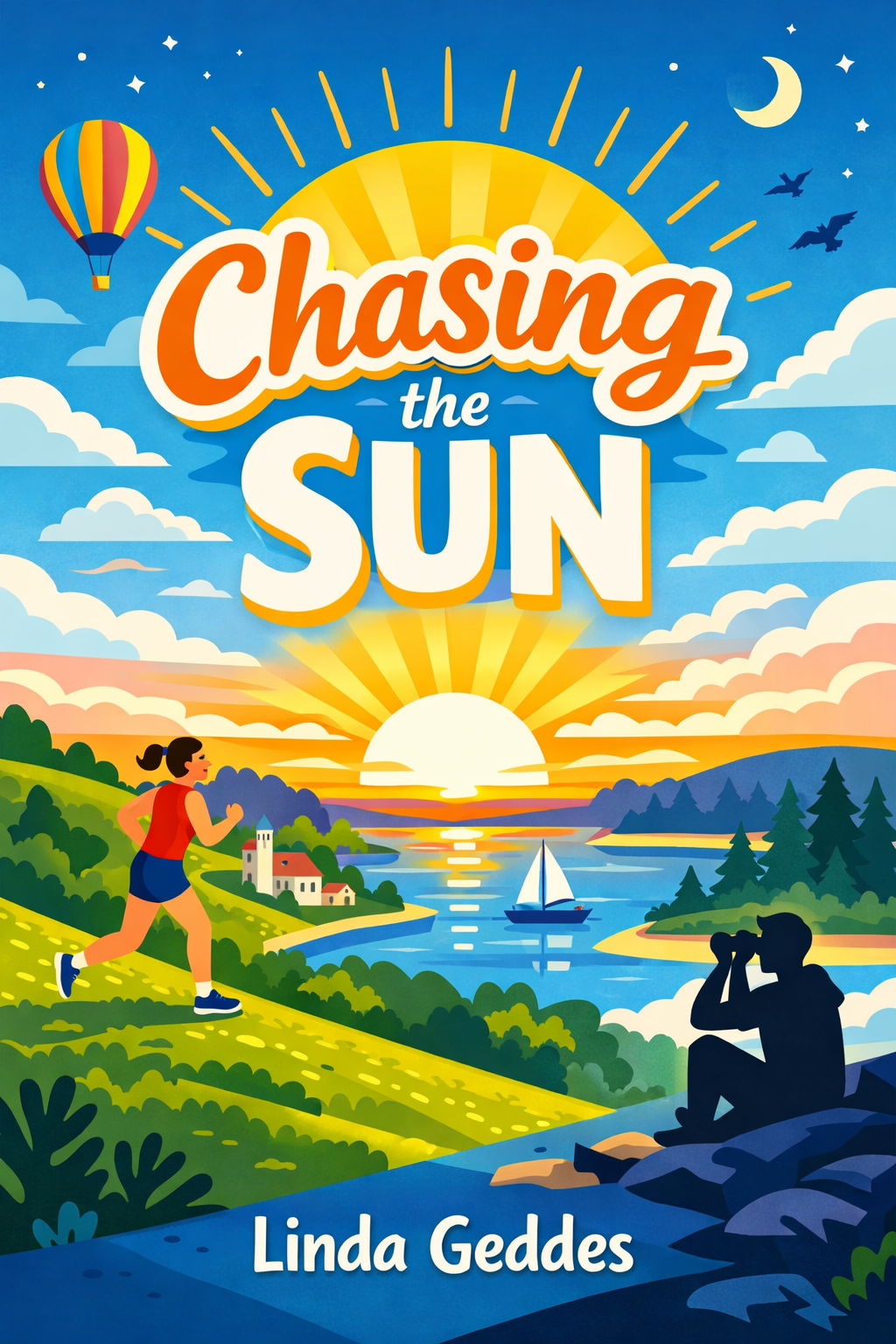
The sun is not just in the sky—it is in every heartbeat, every breath, and every thought we have. To chase the sun is, in truth, to chase our own best selves.