Description
The landscape of work is accelerating at a bewildering pace, driven by relentless technological advancement. This velocity can feel like watching the world blur past from a speeding car, making it difficult to focus on the road ahead. Automation and artificial intelligence are not distant threats but present realities, reshaping and even eliminating established career paths. Yet, this transformation is not a cause for fear, but an invitation to adapt. By examining the historical forces that have shaped our workplaces, understanding our own motivations, and honing the innate human qualities that machines cannot replicate, we can not only survive but thrive in the new world of work.
To navigate the future, we must first understand the past. Work has always been transformed by technological shifts, moving through phases of innovation, disruption, and revolution. A pivotal moment came with the Industrial Revolution and the invention of the watch, which introduced the concept of measured, “dehumanized” time to the factory floor. This obsession with efficiency was perfected by figures like Frederick Taylor, who pioneered task-based management, breaking complex jobs into simple, timed components. This philosophy laid the foundation for the modern corporate culture, valuing standardized productivity and giving rise to the “knowledge worker.” However, the inherent lack of creativity and ownership in this system sparked a reaction, leading to the rise of start-up culture, which emphasized autonomy, innovation, and self-management. In the last two decades, the internet has fused this entrepreneurial spirit with personal branding to create a third dominant model: influencer culture, built on trust, community, and individual authority.
These three cultures—corporate, start-up, and influencer—represent the primary ecosystems of today’s professional world. Choosing the right one for you is less about following trends and more about profound self-awareness. Your personality is not a single label but a blend of traits on a spectrum. Frameworks like the Five-Factor Model, which examines openness, conscientiousness, extroversion, agreeableness, and neuroticism, can help you map your own predispositions. Are you disciplined and structured, thriving in clear hierarchies? You may be suited for a corporate path. Are you flexible, risk-tolerant, and driven by creation? A start-up environment could be your forge. Do you build authentic connections and communicate ideas compellingly? The influencer model might be your canvas. The goal is to identify where your daily tasks and environment clash with your innate traits, as that mismatch is a primary source of career dissatisfaction.
Aligning your work with your personality is only half the battle; the other half is connecting it to a deeper sense of purpose. Ask yourself what truly motivates you: is it financial security, the desire for recognition, or the impact of your work? Viewing your career as a true calling, rather than just a job, unlocks a more resilient and flourishing form of motivation. This internal compass becomes essential when external rewards are scarce. It helps you persevere when a project fails or when you labor in obscurity, driven by the belief in the work itself. When your daily efforts resonate with both your personality presets and your core motivations, work transforms from a source of anxiety into a source of energy.
As technology assumes more analytical and repetitive tasks, the skills that will define future success are distinctly human. Emotional intelligence, empathy, creativity, and ethical judgment cannot be coded. In a world of machine learning, the ability to understand nuance, build trust, navigate complex human emotions, and ask unexpected questions becomes your greatest asset. These are the skills that allow for true collaboration, leadership, and innovation. The future workplace will not be about humans competing with machines, but about humans collaborating with them. This requires a new kind of flexibility—the ability to learn continuously, to pivot when industries shift, and to creatively integrate new tools into your workflow.
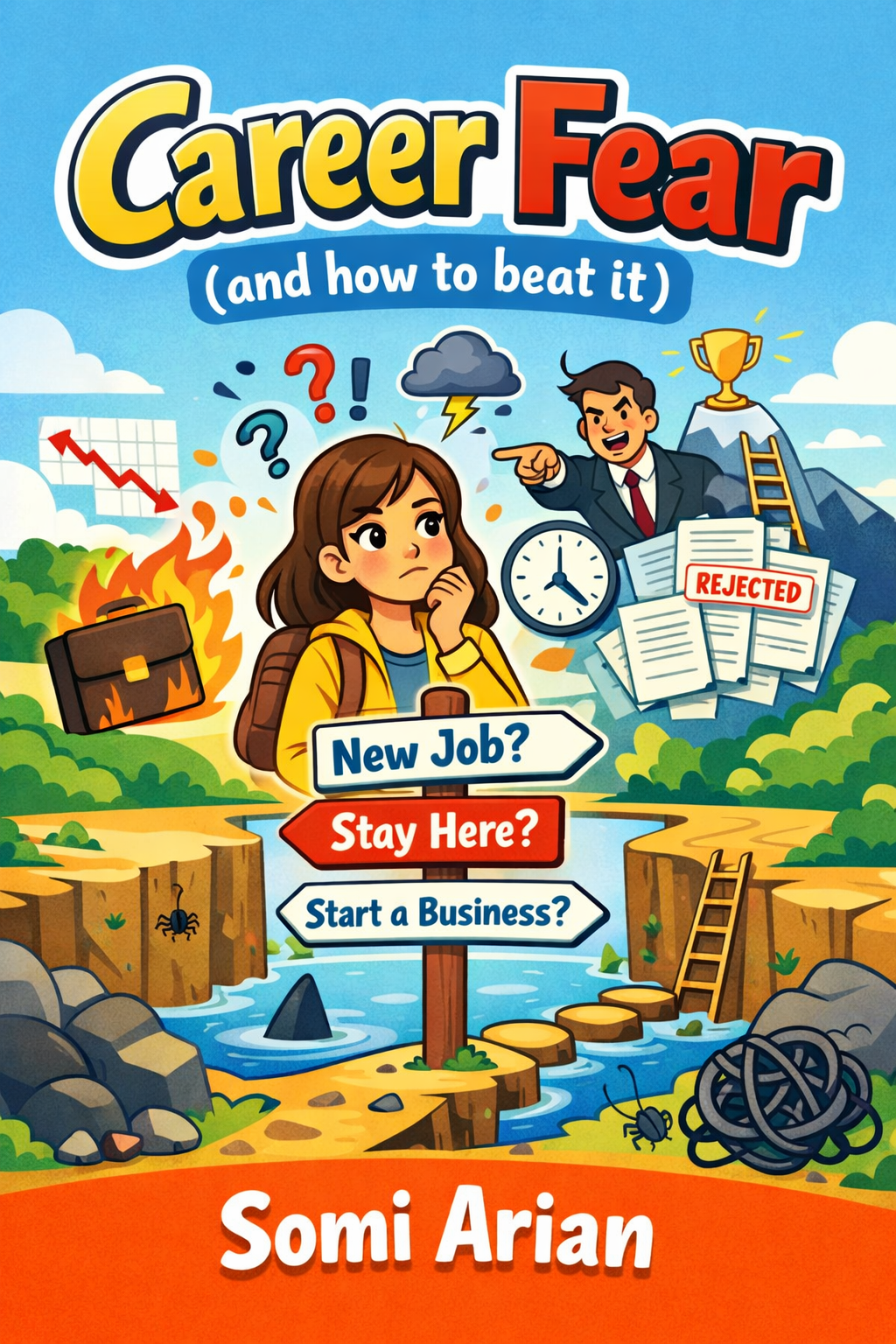
The ultimate relationship of the future is the human-machine partnership. Success will depend on our ability to leverage artificial intelligence for what it does best—processing vast amounts of data and identifying patterns—while we focus on what we do best: providing context, ethical guidance, creative insight, and human connection. The career fear of today stems from viewing technological change as a wave about to crash over us. The antidote is to see it as a current we can learn to navigate, using self-knowledge as our compass, purpose as our sail, and our irreplaceably human capacities as the core of our value. The future of work belongs not to those who fear disruption, but to those who are prepared to evolve with it.