Description
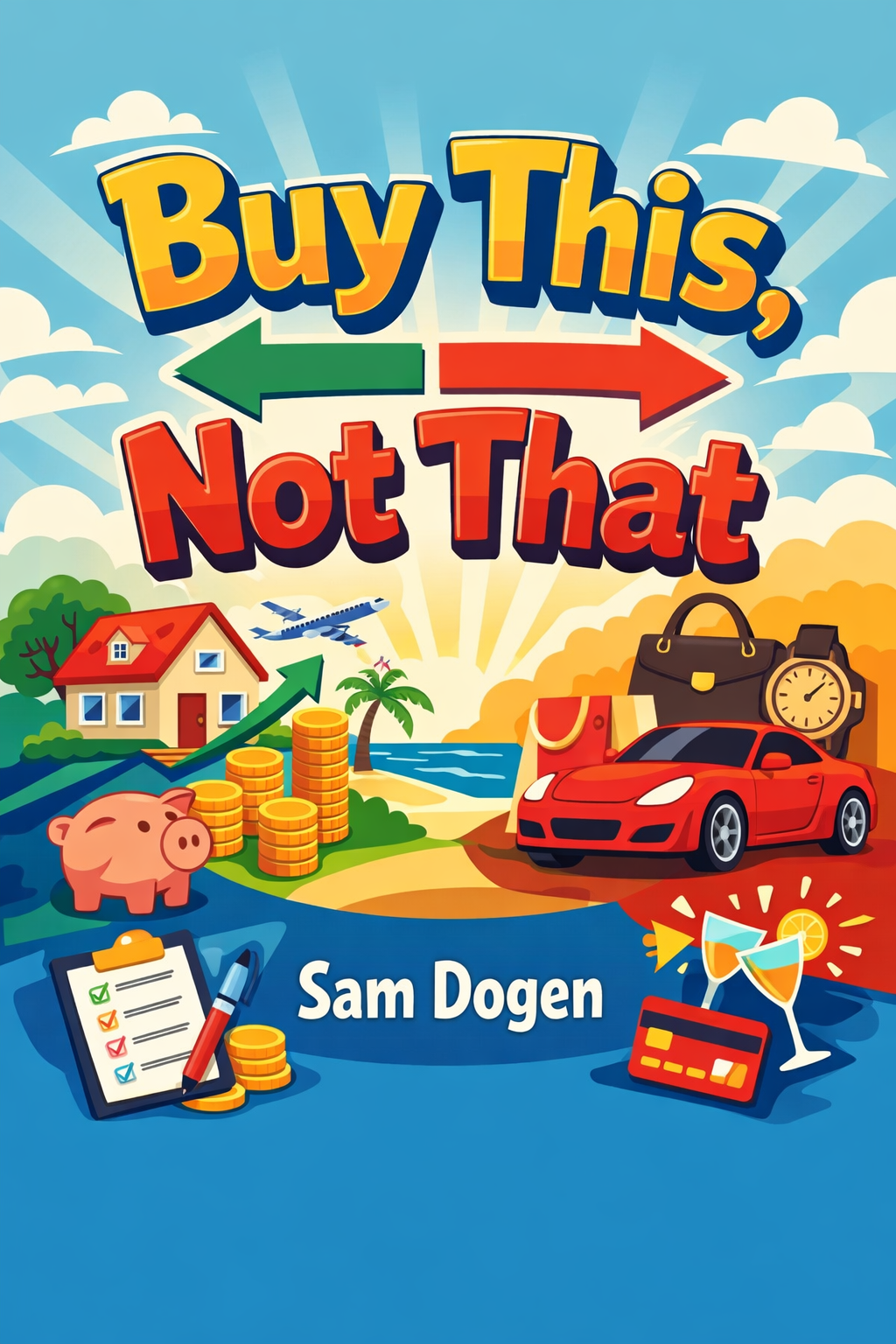
We live in a world designed for consumption, where every advertisement, store layout, and social media post whispers a compelling message: buy this. The cumulative effect of these small, daily decisions forms the true story of our financial health, far more than any single large investment or windfall. This book argues that financial freedom is not a distant dream reserved for the lucky or the ultra-frugal, but a tangible result of mastering the art of the everyday choice. It shifts the focus from complex investment schemes to the simple, powerful mathematics of cash flow—the money flowing in and, more importantly, the money flowing out through our regular habits.
The core philosophy dismantles the myth of “good” and “bad” spending outright. Instead, it introduces a more nuanced framework: value-aligned spending versus value-eroding spending. A value-aligned purchase, whether a five-dollar coffee or a five-hundred-dollar concert ticket, brings genuine joy, convenience, or enrichment that resonates deeply with your personal goals and sense of self. A value-eroding expense, however, is money spent on autopilot, on items that provide fleeting satisfaction, or on things society says you should want. The book provides clear tools to audit your own spending, not to judge, but to observe. Where does your money actually go? Which purchases leave you feeling fulfilled, and which leave a hollow feeling of regret alongside a lighter wallet?
Armed with this self-awareness, the guide presents its actionable system: the “This, Not That” swap. This is not about deprivation, but about intelligent substitution. It’s about identifying common, value-eroding purchases in key categories like groceries, subscriptions, transportation, and entertainment, and pairing them with smarter, often more satisfying alternatives. The goal is to redirect wasted funds into channels that build your future—a process the book calls “funding your freedom.” For instance, that daily premium coffee shop visit might be swapped for a high-quality home brew setup; the savings, automatically funneled into a investment account, become not just money saved, but capital working for you.
The narrative extends beyond personal goods to tackle the larger “invisible” budgets that drain resources: insurance policies that are never reviewed, high-interest debt from credit cards, and fees from inefficient banks. It offers straightforward scripts and steps for negotiating bills, refinancing debt, and choosing financial partners that align with your wealth-building goals. This section demystifies financial services, empowering you to stop being a passive customer and start being a strategic manager of your own economic life.
Ultimately, the book is a manifesto for mindful consumption. It connects our spending habits to our broader values—health, security, freedom, family, experiences. By choosing with intention, we do more than improve our balance sheets; we reshape our lives to reflect what matters most. The final message is one of optimism and agency. Wealth is not an amount in a bank statement; it is the option to say “yes” to the things that truly matter and “no” to the things that don’t. By mastering the simple, repeated act of buying this, not that, you are not just saving money. You are actively purchasing your own independence, one conscious decision at a time.