Description
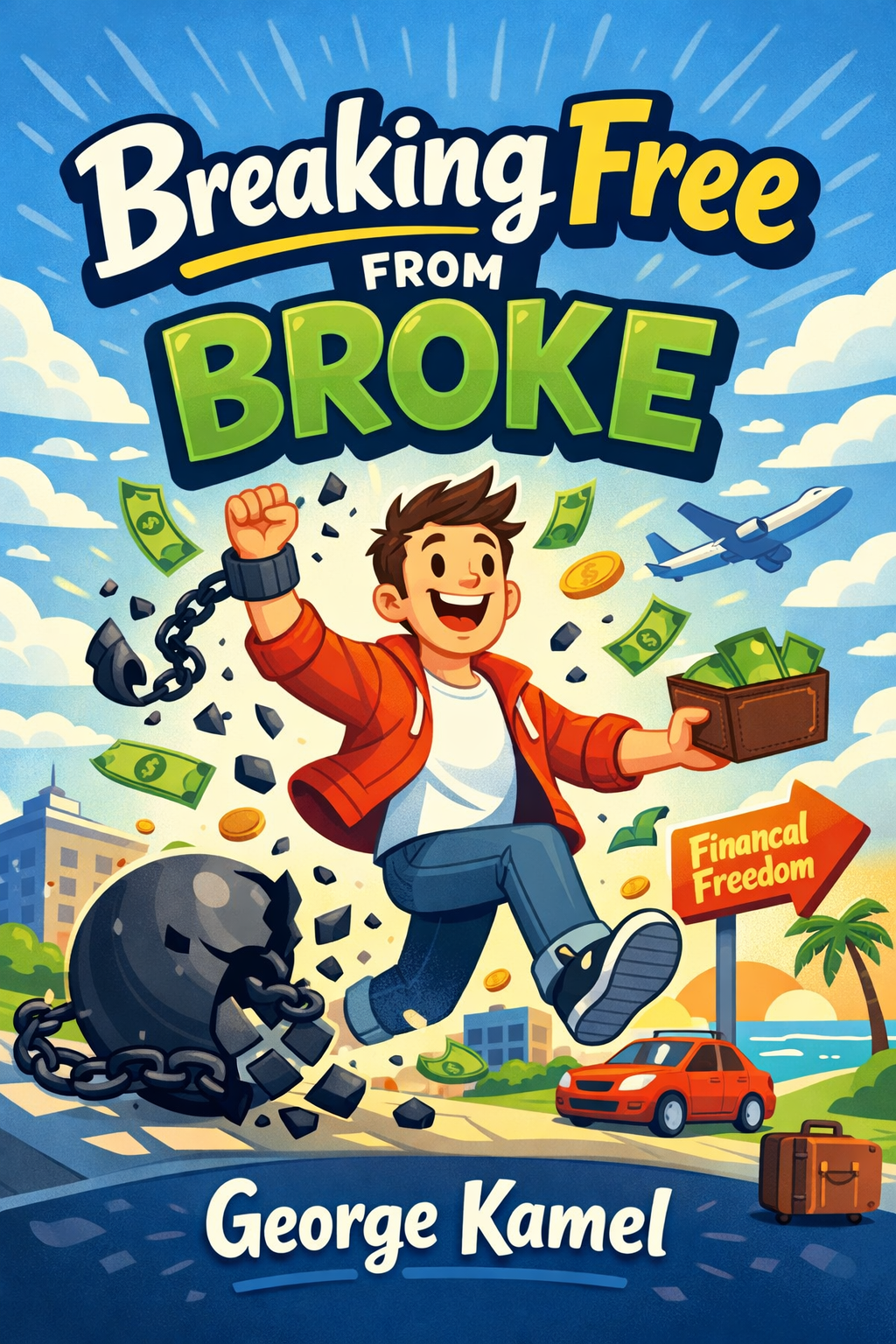
Breaking Free From Broke presents a compassionate and actionable roadmap for anyone feeling trapped by financial instability. It moves beyond simple budgeting tips to address the deeper psychological and behavioral patterns that keep people in a cycle of scarcity. The core argument is that being “broke” is not a permanent identity but a temporary condition fueled by invisible scripts about money learned from childhood, societal pressures, and a lack of foundational systems. True financial freedom begins with a mindset shift—from seeing money as a source of constant anxiety to viewing it as a manageable tool for building the life you want.
The book systematically dismantles the myth that more income alone is the solution. It illustrates how, without a change in habits, lifestyle inflation quickly consumes extra earnings, leaving the underlying stress unchanged. Instead, the focus is placed on building what the author calls a “Personal Economy.” This is a personalized, resilient financial structure designed to withstand unexpected shocks and gradually generate security. The process starts with a clear-eyed, non-judgmental assessment of your current financial reality—tracking every dollar in and out to understand your true cash flow, not just your intentions.
From this foundation, the guide introduces the concept of “Purposeful Allocation.” This is more than a traditional budget; it’s a values-based plan that assigns a job to every dollar you earn before you spend it. Essential expenses are covered first, but equal priority is given to building what are termed “Freedom Funds.” These are distinct pools of money for emergencies, short-term goals, and long-term investing. The emphasis is on automating contributions to these funds, making saving and investing effortless and consistent, thereby bypassing the temptation to spend what remains at the end of the month.
A significant portion of the work tackles the emotional and practical challenges of debt. It rejects shame-based approaches and offers strategic methods for tackling liabilities, differentiating between “high-alarm” debt that cripples growth and “managed” debt that can be part of a healthy plan. The strategies provided are both mathematical, like the debt avalanche method, and psychological, designed to create momentum and celebrate small wins to stay motivated during what can be a long journey.
Crucially, the book dedicates substantial space to the future, arguing that breaking free from broke is meaningless without a destination in mind. It demystifies basic investing principles, explaining concepts like compound growth, asset allocation, and retirement accounts in plain language. The goal is not to become a stock market expert but to become a confident participant, using simple, low-cost strategies to put your money to work over decades. This long-term perspective is framed not as a sacrifice, but as the ultimate form of paying your future self for the freedom you are building today.
Ultimately, Breaking Free From Broke is a holistic manual for financial wellness. It recognizes that money is intertwined with every aspect of life—our relationships, our health, and our sense of possibility. By providing a step-by-step system to control finances, it aims to reduce daily anxiety, create space for joy and generosity, and build the stability required to pursue goals and dreams without the constant shadow of monetary fear. The message is one of empowerment: regardless of your starting point, you have the power to rewrite your financial story, one intentional habit at a time.