Description
The story of oil and gas is a story of monumental power and profound destruction, beginning with a modest well on a Pennsylvania farm in 1859. What Edwin Drake and “Uncle Billy” Smith tapped into would rapidly transform the world, but not without a dark legacy. The blueprint for the modern industry was authored by John D. Rockefeller, who built Standard Oil into a monolithic empire through ruthless consolidation and political manipulation. His obsession with cutting costs and maximizing efficiency, even after the 1911 antitrust breakup, established a corporate DNA that prioritizes profit above all else—a ethos that continues to drive the industry.
As America’s easily accessible oil reserves began to dwindle in the late 1960s, the frantic search for new energy sources led to extraordinary and dangerous experiments. In a desperate bid to unlock natural gas trapped deep within shale rock, the U.S. government and private companies turned to nuclear weapons. Under Project Plowshare, atomic bombs were detonated underground in Colorado to fracture the rock, a process that did release gas but also contaminated it with radioactivity. This failed chapter highlights the industry’s willingness to embrace extreme, untested methods in its relentless hunt for resources, setting a precedent for the technological gambles to come.
The true breakthrough arrived decades later with the innovation of hydraulic fracturing, or fracking, pioneered by George Mitchell. By injecting a high-pressure mixture of water, sand, and proprietary chemicals—known as slickwater—into shale formations, he unlocked vast reserves previously considered unreachable. This revolution promised energy independence but came with a shrouded cost. The exact chemical cocktail used is a closely guarded secret, and the process generates millions of gallons of toxic wastewater that can leak into groundwater. Communities near fracking sites have reported poisoned livestock, sickened pets, and serious health issues in humans, raising alarming questions about the safety of an industry that operates with minimal transparency.
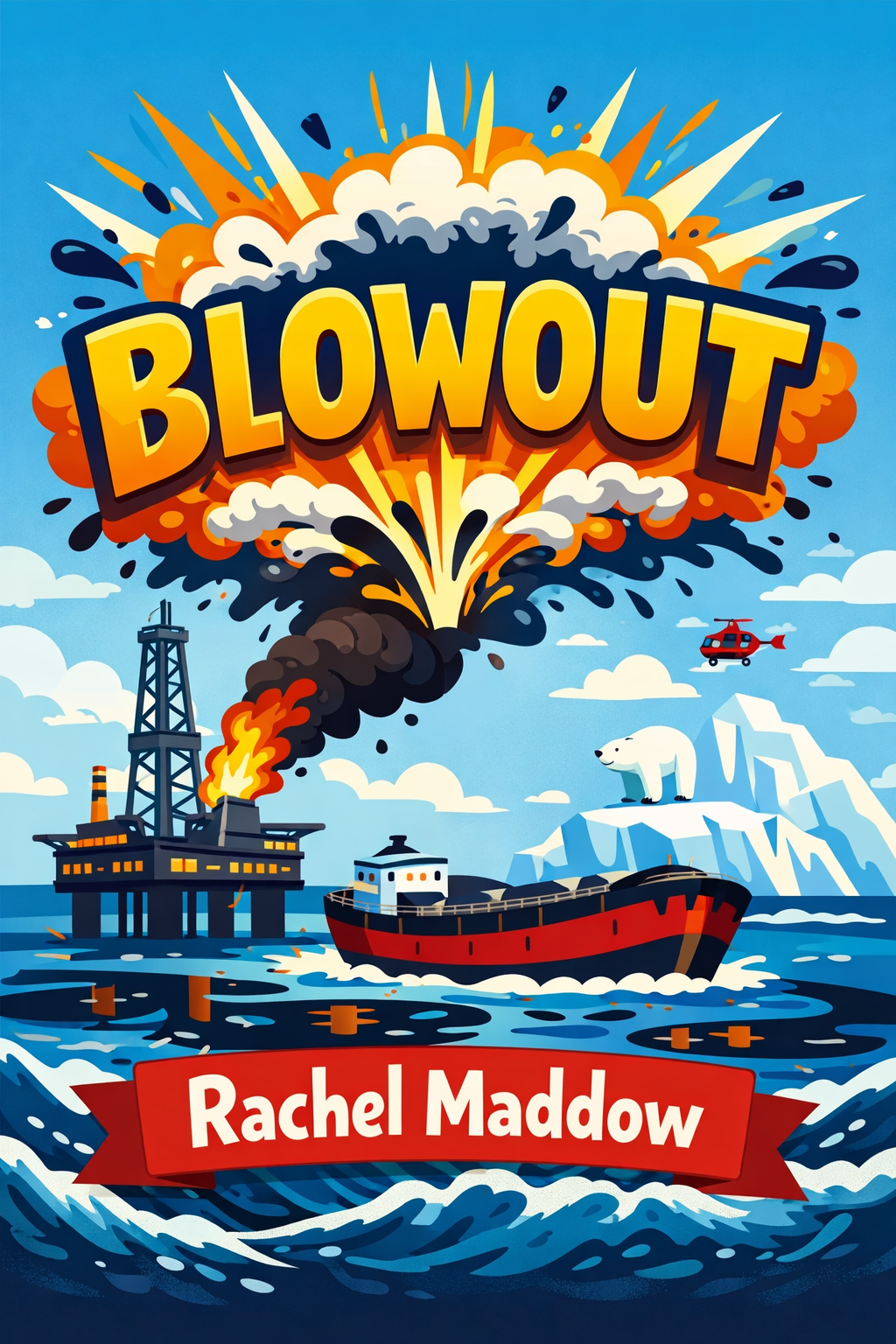
A pattern of catastrophic accidents and negligent cleanup reveals an industry structurally incapable of managing the risks it creates. While the Deepwater Horizon disaster captured global headlines, it is merely one entry in a long ledger of spills. In Nigeria, an ExxonMobil pipeline rupture added to a delta already poisoned by decades of continuous leakage. The industry’s emergency response plans often prove tragically inadequate; during the Deepwater Horizon crisis, proposed solutions like containment domes failed, and chemical dispersants of unknown composition sickened cleanup crews. This recurring failure to contain damage underscores a chilling admission from within: the focus is on prevention, yet prevention repeatedly fails, leaving ecosystems and communities to bear the consequences.
The state of Oklahoma serves as a microcosm of the industry’s exploitative nature, where the thirst for oil and gas has literally shaken the foundations of the earth. Intensive fracking operations have triggered a massive surge in human-induced earthquakes, damaging homes and infrastructure. Meanwhile, the political system, heavily influenced by industry lobbying and campaign contributions, has enabled this exploitation, prioritizing corporate interests over public safety and environmental stability. This relationship demonstrates how the industry’s financial power can reshape landscapes and laws to suit its own ends, regardless of the human cost.
This corrosive influence extends globally, as exemplified by ExxonMobil’s dealings in Equatorial Guinea. There, the company partnered with a brutal dictatorship, channeling billions to a ruling family notorious for corruption and human rights abuses while the population remained in poverty. This complicity illustrates how the industry sustains and empowers authoritarian regimes, treating corruption as a routine cost of business in the pursuit of lucrative reserves.
Nowhere is the fusion of fossil fuel wealth and political power more complete or dangerous than in Russia. The nation’s status as an energy superpower, reliant on its oil and gas exports, is central to its geopolitical strategy. This dependence has fueled aggressive foreign policy, internal repression, and a system where oligarchs control vast wealth. The attempt to undermine Western sanctions following the annexation of Crimea revealed how deeply Russian energy interests are woven into global politics and finance, even influencing democratic processes abroad to protect its energy dominance.
Despite this grim panorama, there are glimmers of resistance. The bipartisan effort in the United States to maintain sanctions on Russia, overcoming intense lobbying from the oil and gas sector, shows that political will can challenge the industry’s influence. It is a sign that the true cost of this industry—measured in environmental degradation, corrupted governments, and geopolitical instability—is becoming harder to ignore. The path forward requires recognizing that the business of oil and gas is not merely about energy, but about power in its rawest form, and that building a sustainable future demands breaking its pervasive grip.