Description
The story begins not with a master criminal, but with an insecure teenager. Jho Low, a wealthy but not ultra-rich Malaysian student, arrives at the prestigious Harrow School in London and finds himself surrounded by the heirs to fortunes and thrones. To fit in, he embarks on a life of fabrication, renting a billionaire’s yacht and home to impress friends, and allowing them to believe he is Malaysian royalty. This early lesson—that perception, however false, can unlock the world of the elite—becomes his guiding principle. He learns that in certain circles, the appearance of wealth and connections is often more valuable than their reality.
At the University of Pennsylvania’s Wharton School, Low transforms social climbing into a strategic science. Funded by his father, he hosts outrageously lavish parties not for fun, but as networking events, carefully targeting the children of Middle Eastern oligarchs and powerful families. His awkward demeanor at these events betrays his true purpose: every handshake is an investment. He cultivates a key friendship with the son of a Kuwaiti magnate, which becomes his gateway to the Gulf. There, he meets Yousef al-Otaiba, a charismatic fixer for the Emirati royal family. Both men are brokers of access, or *wasta*, and they recognize in each other a kindred spirit of immense ambition backed by little tangible achievement.
Low’s big break comes when he leverages his new Gulf connection, Khaldoon al-Mubarak of the Abu Dhabi sovereign wealth fund Mubadala, to broker a massive real estate investment in Malaysia. He then deliberately gives the credit for this deal to Najib Razak, a rising political star and the stepfather of his old school friend. This move is a masterstroke, earning Low a powerful political patron at home while presenting himself internationally as a formidable dealmaker. However, when the Malaysian fund refuses to pay him a fee, Low is incensed. He vows his next venture will ensure he controls both the money and the power.
Opportunity arrives following a political shock in Malaysia. After the ruling party suffers major losses in 2008, Najib Razak becomes Prime Minister, desperate for economic wins to secure his position. Low seizes the moment, proposing the creation of a new, massive sovereign wealth fund called 1Malaysia Development Berhad (1MDB). Its stated purpose is to drive development for the Malaysian people through strategic investments. Its true purpose, as Low designs it, is to be a nearly limitless piggy bank. With Najib’s authority and the help of compliant bankers from Goldman Sachs, who earn exorbitant fees for arranging bonds, billions of dollars are raised on international markets.
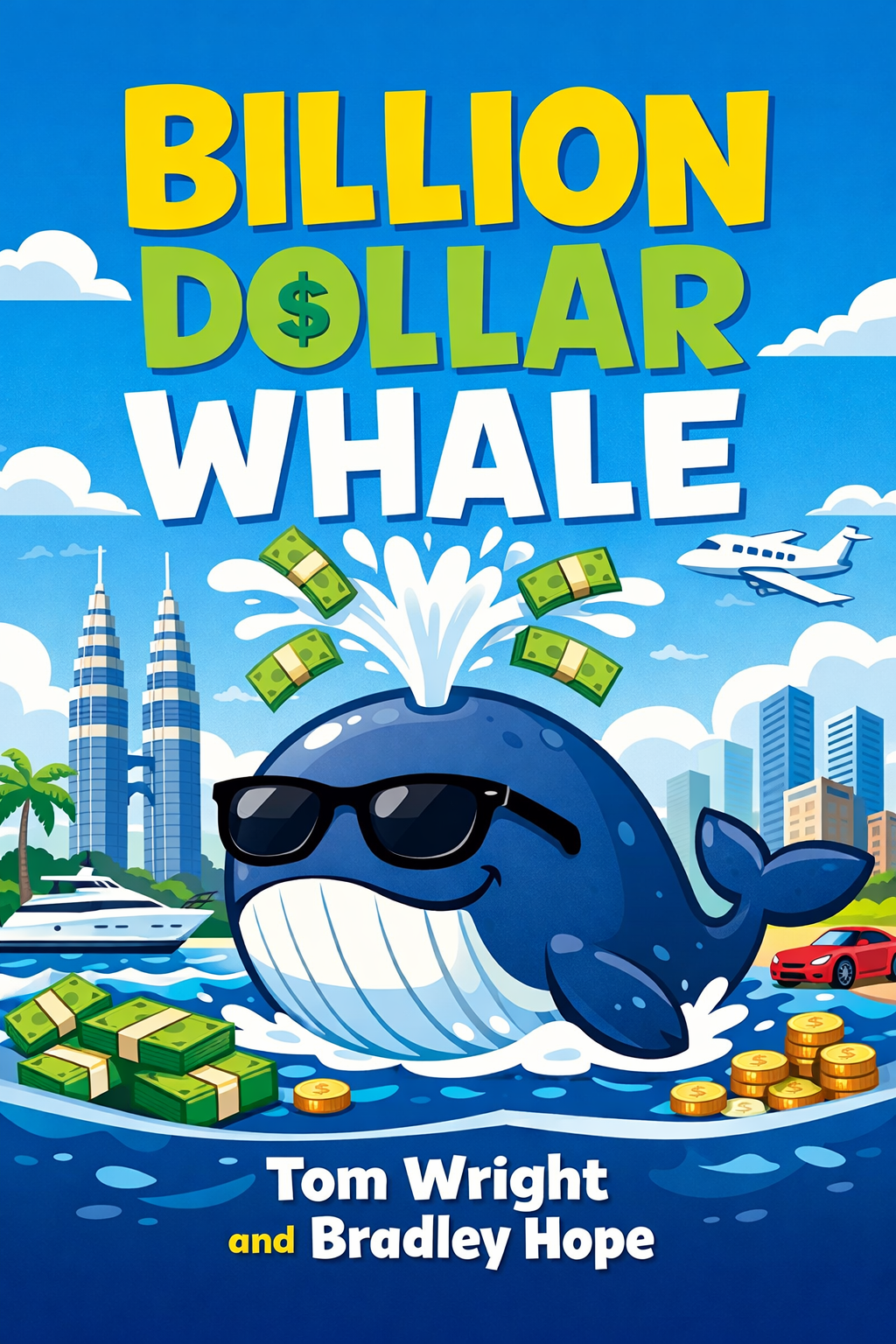
The heist is executed with staggering audacity. Low, with a small circle of conspirators, simply begins diverting money. They use a labyrinth of shell companies, fake documents, and shadowy offshore accounts to siphon funds from 1MDB. The stolen money doesn’t go into hiding; it fuels a global binge of epic proportions. Low becomes a fixture of the world’s most exclusive parties, purchasing a luxury yacht, private jet, and Van Gogh and Monet paintings. He embarks on a campaign to buy influence in America, donating massively to political fundraisers and courting celebrities. His most famous act is funding Martin Scorsese’s *The Wolf of Wall Street*, a film about financial corruption, through his friend Riza Aziz’s company. He showers the film’s star, Leonardo DiCaprio, with gifts, including an Oscar-winning Marlon Brando statuette and funding for his environmental foundation.
For years, the scheme thrives, protected by layers of complexity, the prestige of its enablers at top financial institutions, and the political protection of Malaysia’s highest office. The facade begins to crack not from external investigation, but from internal greed and carelessness. As the conspirators steal more, they leave a trail of sloppy paperwork and create disgruntled insiders. Journalists and dogged investigators, particularly from the *Wall Street Journal*, start connecting the dots, following the money from Malaysian bonds to Hollywood parties. The scandal erupts, revealing a theft so vast it destabilizes a nation.
The fallout is catastrophic. In Malaysia, public fury leads to the electoral defeat of Najib Razak’s party, ending its six-decade rule. Najib is arrested, tried, and imprisoned. Goldman Sachs pays billions in fines globally for its role. Assets are seized worldwide—yachts, paintings, jewels. Low’s empire of illusion vanishes overnight, and he becomes an international fugitive. The story ends not with neat closure, but with a haunting question: How could one man, with no official position, plunder a nation so completely? The answer lies in a perfect storm of globalized finance willing to overlook red flags for profit, a political culture of corruption, and the universal human susceptibility to the glittering myth of easy money and unearned status. Jho Low didn’t just steal money; he sold a dream, and the world’s most powerful people were all too eager to buy it.